


The Freedom to Move: Discover the Comprehensive Benefits of an Outside Elevator 2026
Tired of stairs? An outside elevator adds 25% home value. Our guide on the outdoor elevator lift covers SOLKER’s silent tech and costs. Read our 2026 report to restore freedom!
- Introduction
- When is an Outside Elevator the Right Solution?
- Beyond the Ramp: Why an Outdoor Elevator Lift is the Superior Choice
- Integration and Style: Choosing the Best Home Elevators for Modern Architecture
- Engineering Peace of Mind: The Accredited Elevator Standard
- Modern safety protocols integrated into high-quality lifts include:
- Technical Spotlight: SOLKER and the Evolution of Traction Systems
- Financial Planning: Cost Analysis of an Inexpensive Home Elevator
- Estimated Cost Breakdown (2025 Market Data)
- Operational Resilience: Battery Backup and Weatherproofing
- Site Preparation: The Administrative and Physical Checklist
- Reclaiming Independence: The Psychological Impact of Mobility
- Conclusion
- Frequently Asked Questions (FAQs)
- 1. What happens if the power goes out while I am in the lift?
- 2. Can an outside elevator be installed in cold or snowy climates?
- 3. How much maintenance does a residential lift elevator require?
- 4. Is a permit required for an outdoor home elevator?
- 5. What is the difference between an outside elevator and a porch lift?
Introduction
For many homeowners, the concept of home is synonymous with comfort, safety, and a lifetime of memories. However, as we age or face mobility challenges, those same cherished spaces can become sources of frustration. Stairs, once a minor daily exercise, can transform into a significant physical barrier. This shift often leads families to consider moving, but there is a more practical, long-term solution that preserves the home’s integrity while restoring full autonomy: the outside elevator.
Installing an exterior home elevator is not merely a utility upgrade; it is a gateway to independence. This guide explores the multi-dimensional benefits of modern lift systems, the technical innovations currently shaping the industry—including specialized designs from manufacturers like SOLKER—and the financial considerations for those seeking the best home elevators for their unique lifestyle.

When is an Outside Elevator the Right Solution?
The realization that stairs are becoming a hindrance often happens gradually. It might start with a slight hesitation when carrying groceries to a second-floor entrance or the avoidance of a favorite deck or balcony. Whether the cause is a sudden injury, a chronic condition, or the simple desire for "aging in place," an outside elevator provides a seamless way to bypass vertical obstacles without physical stress .
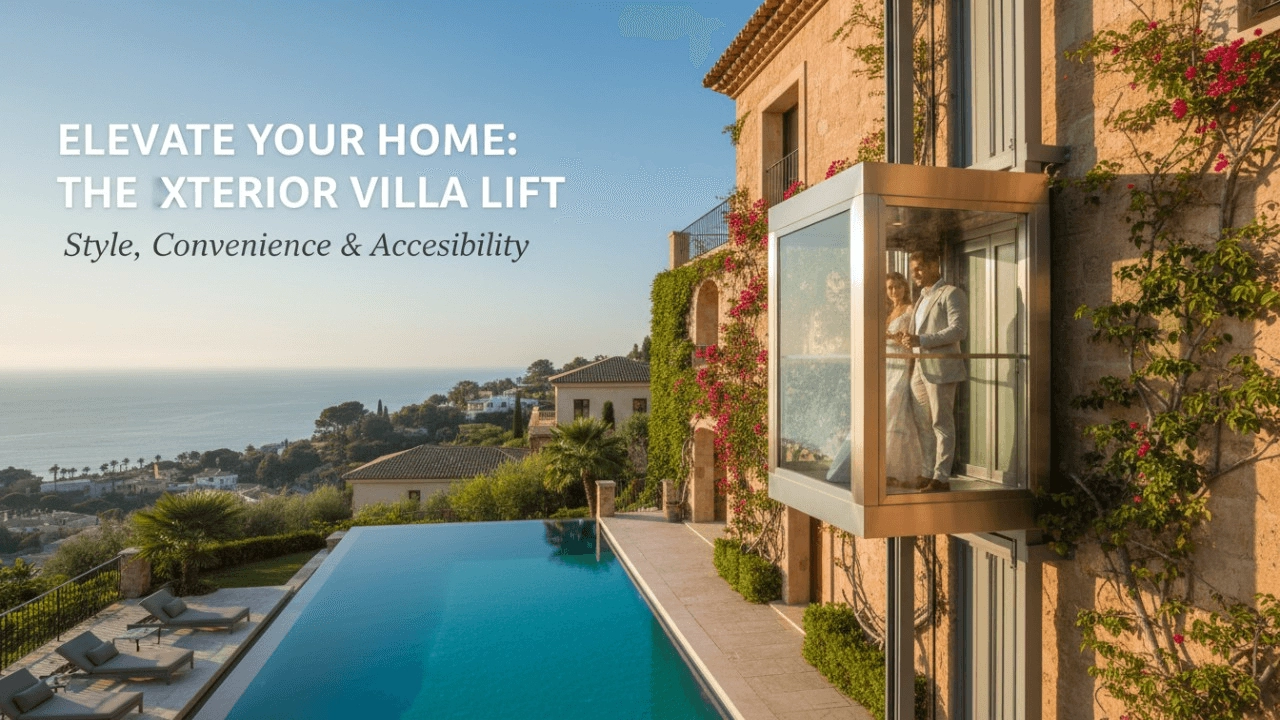
An outdoor home elevator is particularly ideal for properties where interior space is at a premium. Traditional internal lifts often require sacrificing closets or significant living space for a hoistway. By moving the installation to the exterior, homeowners can traverse multiple levels—such as from a garage to a main floor or from a patio to a master suite—while keeping the interior layout of the home completely untouched .
Beyond the Ramp: Why an Outdoor Elevator Lift is the Superior Choice
When a home needs to be made accessible, the first thought for many is a ramp. However, ramps have significant physical and aesthetic limitations. To comply with safe slope standards (typically a 1:12 ratio), a ramp must be 12 feet long for every 1 foot of vertical rise. For a home with a 10-foot elevation, a 120-foot ramp would be required, which can be an eyesore and physically exhausting to navigate.
The outdoor elevator lift (often referred to as a vertical platform lift) offers a far more compact and dignified alternative. Occupying roughly 12 square feet of ground space, these units provide a direct vertical path that requires zero physical exertion from the user . While a ramp can dominate a yard, an outside elevator integrates vertically against the home, preserving the landscaping and the home's original "curb appeal" .
Integration and Style: Choosing the Best Home Elevators for Modern Architecture
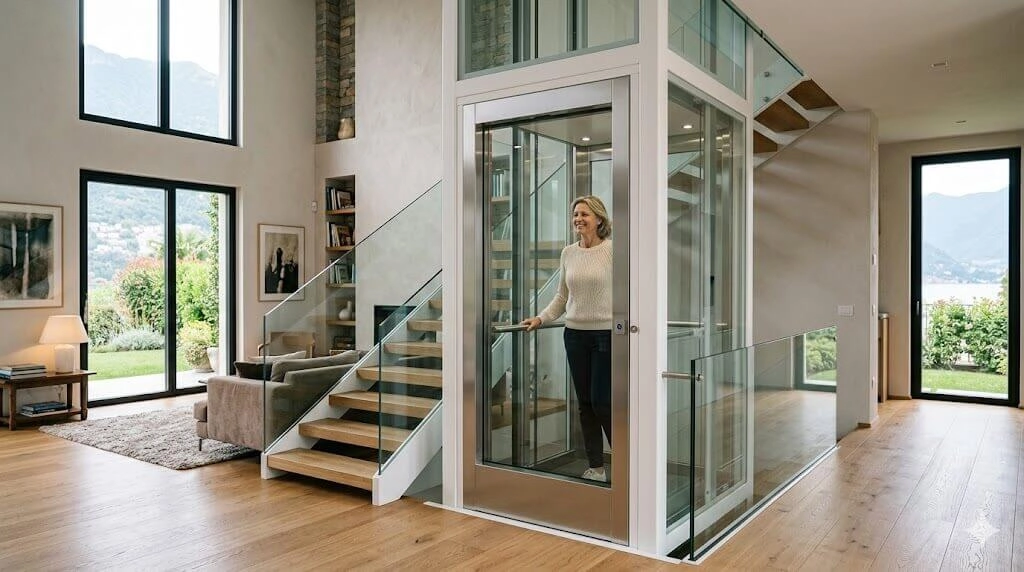
One of the greatest misconceptions about a residential lift elevator is that it must look like a bulky, clinical medical device. Modern engineering has debunked this myth. Today’s best home elevators are designed to complement various architectural styles, using materials like powder-coated aluminum and glass to blend into the home's facade .
For homeowners concerned about aesthetics, the exterior home elevator serves as a stylish addition. The units can be finished in custom colors that match the siding or trim of the house, making the lift feel like a high-end home improvement rather than a piece of medical equipment . This aesthetic integration is crucial for maintaining a sense of "home" rather than "healthcare facility," which is vital for the psychological well-being of residents .
Engineering Peace of Mind: The Accredited Elevator Standard
Safety is the paramount concern when selecting an elevator for home use. To ensure absolute reliability, it is essential to look for an accredited elevator that meets national safety codes, specifically the ASME A18.1 Safety Standard for Platform Lifts and Stairway Chairlifts . This standard governs the design, construction, and operation of the lift, ensuring it can handle the rigors of residential use.
Modern safety protocols integrated into high-quality lifts include:
-
Safety Pan Sensors: These sensors are located under the cab and instantly stop the lift if they detect an obstruction (like a pet or furniture) during descent .
-
Constant Pressure Controls: These require the user to hold the button to move the lift, providing immediate manual control and stopping the unit the moment the button is released .
-
Emergency Braking Systems: Mechanical locks (such as a slack cable brake) that engage instantly if the drive system fails .
-
Interlock Systems: These ensure that the landing doors cannot be opened unless the elevator car is safely at that floor, preventing accidental falls into the runway .
Technical Spotlight: SOLKER and the Evolution of Traction Systems
As the market for home accessibility grows, technical innovations are making lifts quieter and more efficient. For instance, the SOLKER villa elevator has gained attention for its focus on specialized home applications. One of its standout features is the innovative S-CSS composite steel belt traction structure.
Unlike traditional steel ropes, which can be noisy and require frequent lubrication, the composite steel belt technology used by companies like SOLKER provides several advantages:
-
Reduced Noise: The polyurethane coating on the belts eliminates metal-to-metal contact, keeping the operation significantly quieter than older models.
-
Durability: These belts are resistant to moisture and corrosion, which is essential for an outdoor home elevator.
-
Compact Design: The flexibility of composite belts allows for smaller pulleys and more compact machinery, enabling a shaftless home elevator design that requires a pit depth as shallow as 200mm.
Financial Planning: Cost Analysis of an Inexpensive Home Elevator
While the upfront cost of a lift can seem significant, an outside elevator is often a much more inexpensive home elevator solution when compared to the long-term costs of moving or assisted living. The total price is influenced by the travel distance, weight capacity, and necessary site modifications.
Estimated Cost Breakdown (2025 Market Data)
| Component | Cost Range (USD) |
| Equipment (Standard Outside Elevator) | $2,000 – $10,000 |
| Installation Labor | $700 – $15,000 |
| Site Preparation (Concrete Pad/Foundation) | $500 – $15,000 |
| Permits and Inspections | $200 – $2,000 |
| Electrical Wiring (Dedicated Circuit) | $500 – $2,100 |
| Annual Maintenance Contract | $200 – $350 |
Investing in a high-quality system like a shaftless home elevator can also provide a strong return on investment. Studies show that a well-installed home lift can increase property value by 10% to 25%, particularly in luxury markets where accessibility is an expected amenity.
For more detailed insights on pricing, refer to our guide on Outdoor Elevator Pricing: 7 Cost-Saving Tips and Installation Mistakes to Avoid for 2026.
Operational Resilience: Battery Backup and Weatherproofing
An exterior home elevator must be a reliable partner, especially during emergencies. One of the most critical features to look for is a battery-powered system. High-tier models use a 120VAC supply solely for charging, while the actual movement is powered by a 24VDC system. This allows the lift to continue operating for 10 to 15 full trips even during a total power failure, ensuring that residents are never trapped on a higher floor.
Furthermore, the weatherproofing of an outdoor elevator lift is essential. Materials like aluminum with an outdoor-grade powder coat finish are standard for units built to withstand snow, rain, and intense UV exposure . All electrical connections must be waterproofed, and the drive system (whether it be a drum drive or SOLKER’s composite belt) should be protected from the elements to ensure long-term functionality .
Site Preparation: The Administrative and Physical Checklist
Before you can enjoy the freedom of your new outside elevator, some property preparation is required. This phase involves both physical labor and administrative oversight.
-
The Administrative Gauntlet: You must obtain building permits and ensure your project complies with local zoning laws regarding "setbacks" (the distance from your property line) . If you are part of a Homeowners Association (HOA), getting their approval is mandatory to avoid fines or structural removal .
-
The Physical Foundation: A level concrete pad is usually required to support the weight of the tower and cab .
-
Electrical Access: A licensed electrician must run a dedicated circuit to the lift's controller. This ensures the unit has a stable power source and won't trip other household breakers .
-
Clearance and Access: You may need to trim overhanging tree branches or move HVAC equipment (like an A/C condenser) that sits near the installation site .
Reclaiming Independence: The Psychological Impact of Mobility
At the heart of the decision to buy an elevator for home use is the desire for dignity. For many seniors, the inability to use their yard or visit a neighbor’s deck feels like a loss of identity . An outside elevator removes that "mental barrier" of stairs, allowing the resident to once again be a part of the daily flow of life .
The ability to independently carry groceries, go out for fresh air, or move between floors without needing a caregiver's help restores a sense of self-efficacy . In this way, the residential lift elevator is not just a tool for movement—it is a tool for emotional and social liberation.
Conclusion
An outside elevator is a transformative home improvement that bridges the gap between physical limitation and absolute freedom. By opting for a shaftless home elevator or an outdoor elevator lift, you are investing in a solution that is space-efficient, weather-resistant, and aesthetically pleasing. Whether you are prioritizing the high-tech traction of a SOLKER system or the simplicity of an inexpensive home elevator, the result is the same: a future-proofed home that supports independence for a lifetime. Choosing an accredited elevator ensures that your journey between levels is safe, smooth, and dependable, every single day. For a comprehensive guide on selecting the best model, check out the 10 Best Elevator Lifts for Home in 2026: Expert Reviews & Real Pricing Data.
Frequently Asked Questions (FAQs)
1. What happens if the power goes out while I am in the lift?
Modern best home elevators are equipped with battery backup systems. These systems typically allow for 10 to 15 full cycles on battery power alone, ensuring you can reach your destination and exit the car safely even during a blackout .
2. Can an outside elevator be installed in cold or snowy climates?
Yes. An exterior home elevator is designed specifically for these conditions. High-quality models use powder-coated aluminum to prevent rust and feature weather-sealed electronics to ensure the unit remains operational through rain, snow, and extreme temperatures .
3. How much maintenance does a residential lift elevator require?
Most manufacturers recommend a professional inspection once a year to check cable/belt tension, safety sensors, and battery health . Routine maintenance, such as cleaning the tracks of debris, can be done by the homeowner .
4. Is a permit required for an outdoor home elevator?
In almost all jurisdictions, yes. A building permit is required for the installation of an elevator, and a final inspection by a certified authority is usually mandatory before the unit can be put into service .
5. What is the difference between an outside elevator and a porch lift?
A porch lift (Vertical Platform Lift) is typically an open platform designed for shorter distances, such as 2 to 5 feet . An outside elevator is usually a more substantial, often enclosed system capable of traveling up to 21 feet or more .
![How an Elevator for Home Can Increase Your Property Value by 10% [2026 Case Study] - SOLKER](https://static.gooecloud.com/upload/img/GY076088693142/how-an-elevator-for-home-can-increase-your-property-value-by-10-2026-case-study.png?x-oss-process=image/format,webp/quality,Q_100 "How-an-Elevator-for-Home-Can-Increase-Your-Property-Value-by-10%-[2026-Case-Study] - SOLKER")

Customize
Do I need architectural drawings to start customization?
Not required initially. We can start with basic dimensions or photos and assist with full planning.
How does the customization process work?
Our design team will guide you through the steps: style selection, material choice, and 3D visualization before confirmation.
What parts of the elevator can be customized?
You can personalize wall panels, flooring, lighting, control panels, handrails, and door finishes.
Product
How to install an elevator and what is the warranty?
We have overseas technicians who are at your service 24 hours a day, 365 days a year.
How long is the production date required?
Under normal circumstances, the production time is 35 to 45 days.

The Model-Q is a home villa elevator in the Italian minimalist style. It features the most advanced elevator technology and has comprehensive safety protection measures. It is the most reliable guarantee for your passage in villa homes.
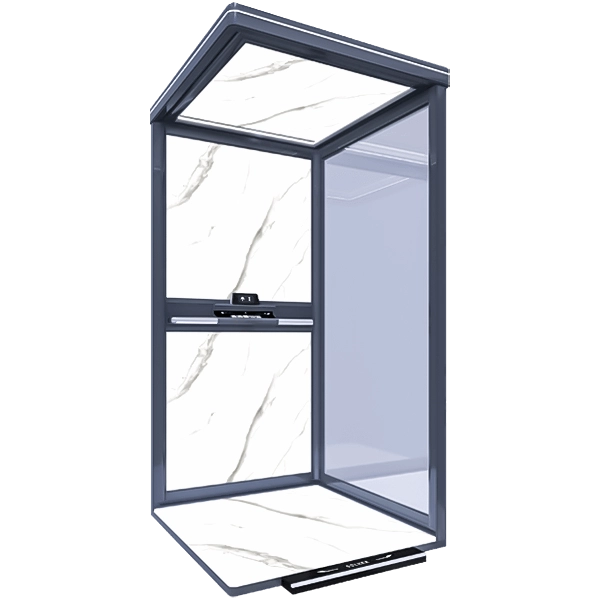
The Model-S is a home villa elevator in the Italian minimalist style. It features the most advanced elevator technology and has comprehensive safety protection measures. It is the most reliable guarantee for your passage in villa homes.
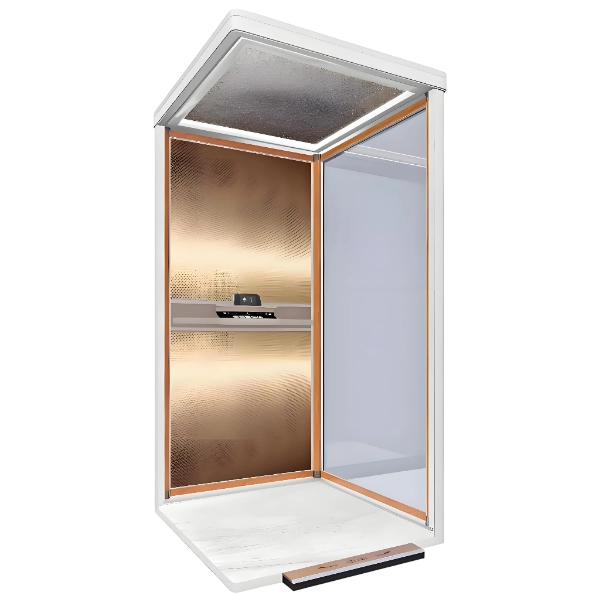
The Model A is a home villa elevator in the Italian minimalist style. It features the most advanced elevator technology and has comprehensive safety protection measures. It is the most reliable guarantee for your passage in villa homes.
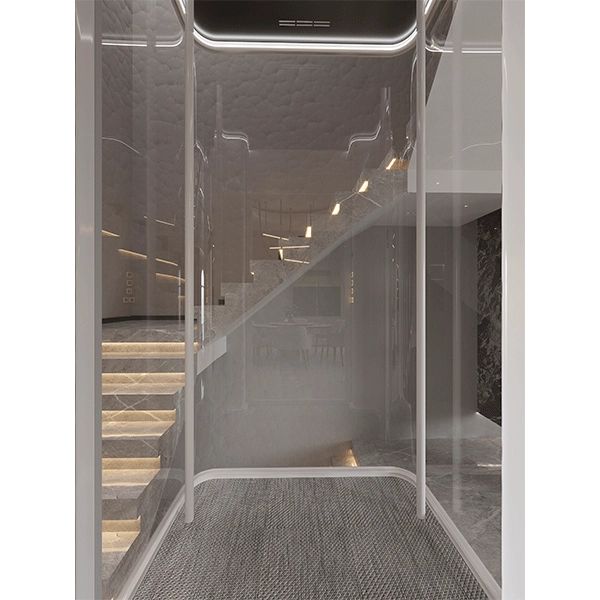
The Model-Mini is a home villa elevator in the Italian minimalist style. It features the most advanced elevator technology and has comprehensive safety protection measures. It is the most reliable guarantee for your passage in villa homes
Looking for custom villa lifts manufacturing solutions?
We provide full-service OEM & ODM solutions—from concept to delivery.
Design, prototyping, production, and shipping—all in one place.
Fill out the form below for a free quote or consultation.
👉 Contact us today to start an exclusive customized partnership.
📦 Get product catalogs and wholesale prices.
🔧 Submit your design requirements for 1-to-1 exclusive matchmaking.
🌍 Become our global distribution partner.
Rest assured that your privacy is important to us, and all information provided will be handled with the utmost confidentiality.
Let's get in touch
Email: lin@solkerelevator.com
Tel: +86 133 1668 7566
Address: Floor 1, Building D, Nanxin Industry International, Nancheng District, Dongguan, China.
 Taiwan, China
 No. 21, Lane 38, 206 Yingtai Road, Yingge District, New Taipei City
 +886 0975-299-830
 United Arab Emirates
Capital Mall, Abu Dhabi, United Arab Emirates, 3rd floor, Luxera elevator +971 52 541 4685 Ceo@maharacare.com
 Melbourne, Australia
 19/12 Natalia Av, Oakleigh South, VIC 3167
+61 1300 771 86 sales@goldenhomelifts.com.au
Sydney, Australia
U28/323 Chisholm Road, Auburn, NSW 2144
+61 1300 771 86 sales@goldenhomelifts.com.au
SOLKER
SOLKER