


Outdoor Elevator Pricing: 7 Cost-Saving Tips and Installation Mistakes to Avoid for 2026
A comprehensive guide to outdoor elevator pricing for 2026, covering cost-saving tips, critical installation mistakes, and market trends. Learn the difference between VPLs and luxury glass lifts to make an informed decision.
- Introduction
- Key Takeaways: Outdoor Elevator Market Snapshot (2026)
- How Much Does an Outdoor Elevator Cost in 2026?
- 2026 Pricing Breakdown by Type
- 7 Cost-Saving Tips for Your Outdoor Lift Project
- Actionable Savings Strategies
- Critical Installation Mistakes to Avoid
- Top 5 Installation Errors
- The 'Hidden' Costs: Maintenance & Total Cost of Ownership
- Ongoing Expense Estimates
- Frequently Asked Questions
- What is the difference between an outdoor elevator and a vertical platform lift?
- Do outdoor elevators require a pit?
- How much time does it take to install an elevator outside?
- Does home insurance cover outdoor elevators?
- Are outdoor elevators safe in extreme weather?
- Can an outdoor elevator increase property value?
- What is the best drive system for an outdoor elevator?
- Do I need a permit to install an outdoor elevator?
- Conclusion
Introduction
Are you considering an outdoor elevator to improve accessibility without sacrificing indoor square footage? In 2026, homeowners face a wide range of options, from budget-friendly vertical platform lifts to luxurious glass elevators that redefine curb appeal.
Whether you need a wheelchair elevator for aging in place or a robust lift elevator for transporting groceries to a second-story deck, understanding the true market costs is essential. This guide breaks down pricing, hidden fees, and the critical installation errors you must avoid to ensure your investment lasts.
Key Takeaways: Outdoor Elevator Market Snapshot (2026)
The outdoor elevator market in 2026 is defined by a shift toward corrosion-resistant materials and modular designs that reduce installation time.
· Quick Summary: Outdoor elevator projects typically range from $6,000 (basic VPLs) to $60,000+ (enclosed luxury cabs) including installation.
· Trend Alert: Aluminum unibody designs are dominating 2026 installations due to superior corrosion resistance compared to traditional steel.
· Cost Saver: Installing a Vertical Platform Lift (VPL) instead of a complete shaftway elevator can save homeowners up to 60% on the overall project expenses.
· Regulatory Note: New 2026 compliance standards emphasize higher wind-load ratings (140+ MPH) for coastal installations to prevent structural failure.
How Much Does an Outdoor Elevator Cost in 2026?
Residential outdoor elevators cost between $20,000 and $60,000 on average for a fully enclosed system, while open vertical platform lifts range from $4,000 to $12,000.
Price discrepancies are largely driven by the drive system (hydraulic vs. traction), the number of stops, and the level of weatherproofing required. A basic exterior elevator attached to a deck will always be cheaper than a custom-built masonry shaft.
2026 Pricing Breakdown by Type
· Standard Vertical Platform Lift (VPL): $4,000 – $12,000. These are open-air platforms ideal for porches and short rises (up to 14 feet).
· Enclosed Outdoor Elevator: $20,000 – $50,000. Includes a weather-resistant car and a modular aluminum or steel hoistway.
· Luxury Glass Elevator: $50,000 – $100,000+. Pneumatic or cable-driven glass elevators offer panoramic views and high-end aesthetics.
· Labor vs. Hardware: Generally, the hardware accounts for 60% of the budget, while site preparation (concrete pads, electrical work, permitting) consumes the remaining 40%.
7 Cost-Saving Tips for Your Outdoor Lift Project
You can reduce your total project cost by up to 30% by choosing a self-supporting tower model and avoiding custom cab dimensions.
Strategic planning during the design phase is the most effective way to control the budget. Many homeowners overspend on unnecessary structural reinforcements or custom features that add little functional value.
Actionable Savings Strategies
1. Choose a Vertical Platform Lift (VPL): If your primary goal is wheelchair elevator access, a VPL avoids the need for an expensive enclosed shaft, saving thousands.
2. Opt for Standard Dimensions: Custom cab sizes increase manufacturing costs by 20-30%. Stick to standard lift elevator dimensions like 36"x48" or 40"x54".
3. Minimal Site Prep: Select a self-supporting tower model. These units bear their own weight, reducing the need for expensive structural reinforcements to your home's exterior wall.
4. Comparison Shop Local Dealers: Pricing varies significantly by region. Get quotes from at least three authorized installers (e.g., local dealers for Savaria, Ameriglide, or independent contractors).
5. Avoid Hydraulics in Cold Climates: In freezing zones, hydraulic fluid heaters add to electricity costs. Screw-drive or traction systems are more cost-efficient long-term.
6. Retrofit During Remodels: Installing an elevator for home usage during a broader renovation is cheaper due to shared permit and labor costs.
7. Check Tax Deductions: Determine if the lift qualifies as a "Medical Capital Expense" for tax deductions in your jurisdiction. This can effectively lower the net cost.
Critical Installation Mistakes to Avoid
The most common cause of outdoor elevator failure is poor drainage planning, which leads to mechanical corrosion within two years of installation.
Ignoring environmental factors is a recipe for disaster. Unlike Choose and Install In-Home Elevator, outdoor units face rain, salt, and extreme temperature fluctuations that demand specific preventive measures.
Top 5 Installation Errors
· Ignoring Wind Load Ratings: Installing a standard unit in a coastal high-wind zone without a 140+ MPH rating can lead to structural failure and voided insurance claims.
· Poor Drainage Planning: Failing to slope the concrete pad away from the lift pit causes water accumulation. You must install a drain or sump pump if a pit is required.
· Underestimating Electrical Needs: Outdoor lifts often require dedicated 220V circuits. Relying on standard outdoor outlets is a code violation and a fire hazard.
· Neglecting Marine-Grade Finishes: Using standard powder coating near saltwater results in rust. Always specify marine-grade aluminum or galvanized steel for exterior elevator components.
· Overlooking Local HOAs: Failing to get Homeowner Association approval for exterior architectural changes can lead to costly removal orders.
The 'Hidden' Costs: Maintenance & Total Cost of Ownership
Homeowners should budget between $300 and $600 annually for certified safety inspections and preventive maintenance to ensure longevity.
While the sticker price is important, the "Total Cost of Ownership" over 10 years includes electricity, repairs, and elevator maintenance. Neglecting these can lead to premature replacement.
Ongoing Expense Estimates
· Annual Inspections: $300 - $600. Many local codes require an annual safety check by a licensed mechanic.
· Weatherproofing Upgrades: Seals and weather-stripping on outdoor units need replacement twice as often as indoor units due to UV exposure.
· Energy Consumption: Expect an increase of $15 - $30 monthly on electric bills, depending on usage frequency and climate control features (like cab heaters).
· Part Replacements: Batteries for backup lowering systems typically need replacement every 2-3 years, costing $200 - $500.
Frequently Asked Questions
What is the difference between an outdoor elevator and a vertical platform lift?
An outdoor elevator features a fully enclosed cab and shaft that mimics an indoor elevator, whereas a Vertical Platform Lift (VPL) typically has an open top and lower walls.VPLs are designed specifically for mobility devices like wheelchairs and scooters over shorter distances (usually under 14 feet), making them a more cost-effective attic elevator or deck lift solution.
Do outdoor elevators require a pit?
Most traditional outdoor elevators require a pit of 6-12 inches, but many modern VPLs are "pitless." Pitless models can be installed directly onto a reinforced concrete pad with a small ramp, significantly reducing excavation costs and drainage issues.
How much time does it take to install an elevator outside?
Site preparation typically takes 1-2 weeks, followed by 3-5 days for the actual unit installation. Complex car elevator systems or multi-story glass elevators may take longer due to the assembly of the structural tower.
Does home insurance cover outdoor elevators?
Standard policies generally do not cover the lift itself unless added as a specific rider. However, liability coverage may extend to accidents involving the lift. It is critical to contact your provider to add "Scheduled Personal Property" coverage for the unit.
Are outdoor elevators safe in extreme weather?
Yes, provided they are rated correctly with IP (Ingress Protection) certifications and wind load compliance. Units should always be parked at the safest level (usually the bottom) and powered down during hurricanes or severe electrical storms.
Can an outdoor elevator increase property value?
Yes, specifically in retirement-friendly communities or coastal markets with multi-story homes. For a deeper dive into property value and types, read our Ultimate Guide to Home Elevators 2026. It increases the pool of potential buyers to include those with mobility issues.
What is the best drive system for an outdoor elevator?
Screw and nut drives are widely considered the most durable for outdoor use because they are resistant to temperature fluctuations. Hydraulic systems provide a smooth ride but can be sluggish in extreme cold unless equipped with expensive tank heaters.
Do I need a permit to install an outdoor elevator?
Yes, almost universally. You will likely need building permits for the structural changes and electrical permits for the wiring. Some jurisdictions also require a specific elevator modernization or installation inspection prior to first use.
Conclusion
Investing in an outdoor elevator is a strategic move for 2026, offering both accessibility and increased property value. By distinguishing between a vertical platform lift and a full in home elevator style exterior unit, you can align your choice with your budget. Remember to prioritize weatherproofing and avoid common installation pitfalls like poor drainage to ensure your lift operates smoothly for years to come.
![How an Elevator for Home Can Increase Your Property Value by 10% [2026 Case Study] - SOLKER](https://static.gooecloud.com/upload/img/GY076088693142/how-an-elevator-for-home-can-increase-your-property-value-by-10-2026-case-study.png?x-oss-process=image/format,webp/quality,Q_100 "How-an-Elevator-for-Home-Can-Increase-Your-Property-Value-by-10%-[2026-Case-Study] - SOLKER")
Customize
What parts of the elevator can be customized?
You can personalize wall panels, flooring, lighting, control panels, handrails, and door finishes.
Can I customize the elevator to match my home style?
Absolutely. We offer multiple cabin styles, materials, and finishes to suit modern, classic, or minimalist interiors.
Is customization available for both indoor and outdoor elevators?
Yes. All custom options apply to indoor and weatherproof outdoor models.
Do I need architectural drawings to start customization?
Not required initially. We can start with basic dimensions or photos and assist with full planning.
Product
How long is the production date required?
Under normal circumstances, the production time is 35 to 45 days.
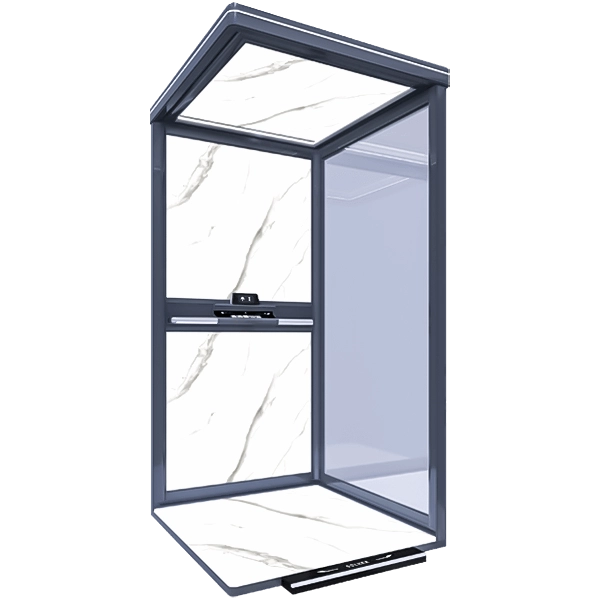
The Model-S is a home villa elevator in the Italian minimalist style. It features the most advanced elevator technology and has comprehensive safety protection measures. It is the most reliable guarantee for your passage in villa homes.
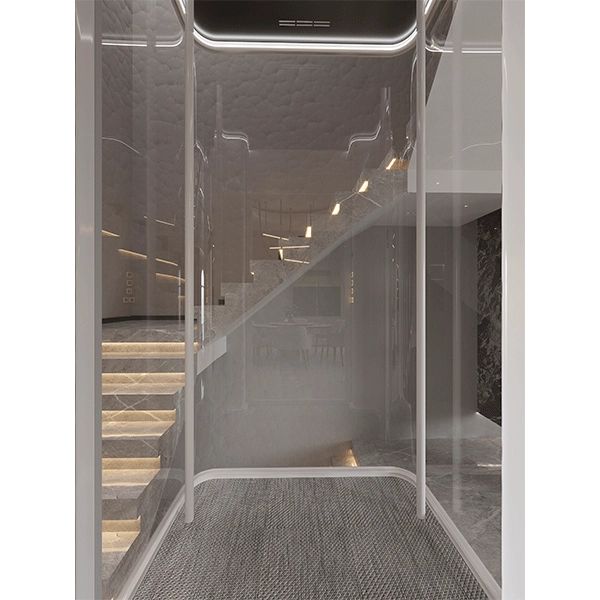
The Model-Mini is a home villa elevator in the Italian minimalist style. It features the most advanced elevator technology and has comprehensive safety protection measures. It is the most reliable guarantee for your passage in villa homes
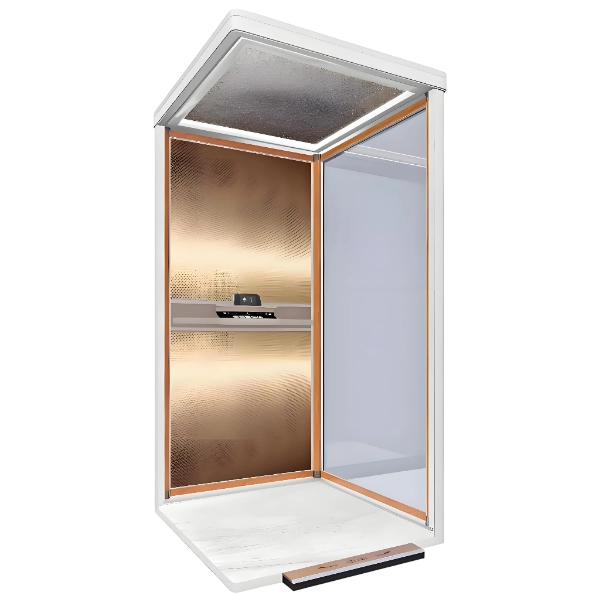
The Model A is a home villa elevator in the Italian minimalist style. It features the most advanced elevator technology and has comprehensive safety protection measures. It is the most reliable guarantee for your passage in villa homes.
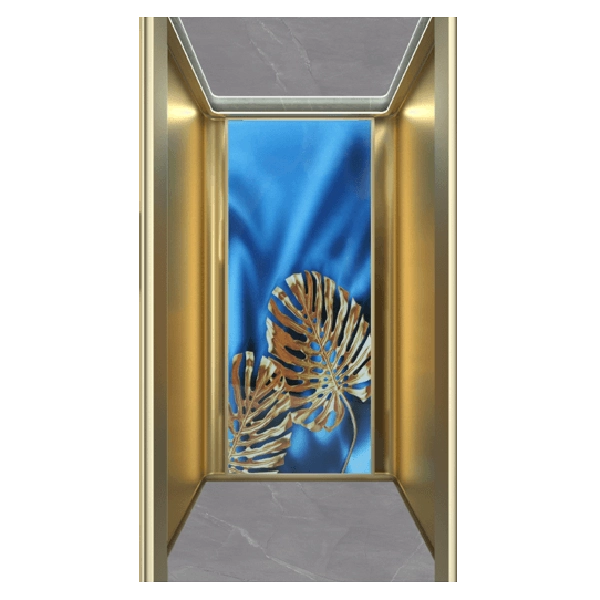
The Model-Q is a home villa elevator in the Italian minimalist style. It features the most advanced elevator technology and has comprehensive safety protection measures. It is the most reliable guarantee for your passage in villa homes.
Looking for custom villa lifts manufacturing solutions?
We provide full-service OEM & ODM solutions—from concept to delivery.
Design, prototyping, production, and shipping—all in one place.
Fill out the form below for a free quote or consultation.
👉 Contact us today to start an exclusive customized partnership.
📦 Get product catalogs and wholesale prices.
🔧 Submit your design requirements for 1-to-1 exclusive matchmaking.
🌍 Become our global distribution partner.
Rest assured that your privacy is important to us, and all information provided will be handled with the utmost confidentiality.
Let's get in touch
Email: lin@solkerelevator.com
Tel: +86 133 1668 7566
Address: Floor 1, Building D, Nanxin Industry International, Nancheng District, Dongguan, China.
 Taiwan, China
 No. 21, Lane 38, 206 Yingtai Road, Yingge District, New Taipei City
 +886 0975-299-830
 United Arab Emirates
Capital Mall, Abu Dhabi, United Arab Emirates, 3rd floor, Luxera elevator +971 52 541 4685 Ceo@maharacare.com
 Melbourne, Australia
 19/12 Natalia Av, Oakleigh South, VIC 3167
+61 1300 771 86 sales@goldenhomelifts.com.au
Sydney, Australia
U28/323 Chisholm Road, Auburn, NSW 2144
+61 1300 771 86 sales@goldenhomelifts.com.au
SOLKER
SOLKER