


How an Elevator for Home Can Increase Your Property Value by 10% [2026 Case Study]
- Introduction
- Executive Summary: The Residential Elevator Investment
- Does Adding an Elevator Increase Home Value?
- Appraisal Factors that Drive Value:
- The Case Study: Calculating the 10% ROI Breakdown
- The Scenario:
- Demographics Driving Value: Who is Buying?
- Key Demographics:
- Choosing the Right Type for Maximum ROI
- Top Elevator Types for 2026:
- 2026 Cost Analysis: Budgeting for Your Investment
- Cost Breakdown:
- Expert Tips: Mistakes That Kill ROI
- Conclusion
- FAQs
- How much does a home elevator cost in 2026?
- Does a home elevator count as square footage?
- Is it difficult to retrofit an elevator into an existing home?
- How much maintenance does a residential elevator require?
- What is the safest type of home elevator?
- Can a home elevator accommodate a wheelchair?
- Do I need a pit for a home elevator?
- Is a home elevator tax-deductible?
Introduction
For decades, residential elevators were viewed solely as luxury additions for the ultra-wealthy or medical necessities for the disabled. In 2026, that narrative has shifted completely. With the "Silver Tsunami" of aging homeowners and a surge in multi-generational living, an elevator for home installation is now a high-ROI strategic renovation.
At Dongguan SOLKER Elevator Technology Co., Ltd., we have witnessed this transition firsthand. As a dedicated manufacturer of high-end villa elevators for over 20 years, we have seen clients transform not just their mobility, but their property's equity. This case study breaks down exactly how installing a residential lift can yield a property value increase of 10% or more.
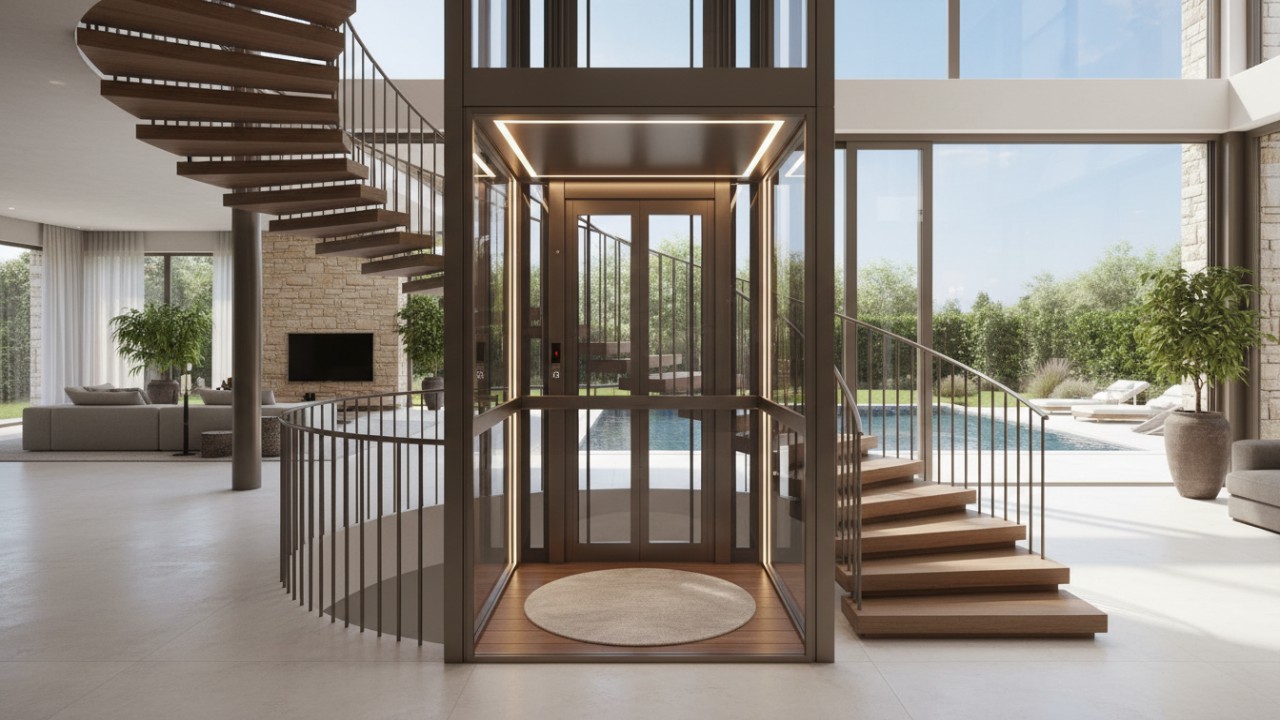
Executive Summary: The Residential Elevator Investment
A residential elevator is a vertical transport system installed in private residences to connect multiple floors, increasingly valued for future-proofing homes against mobility limitations. It transforms a property from a standard multi-story house into a "forever home" suitable for all ages.
The investment logic is driven by three core market forces in 2026:
- Scarcity of Accessible Housing: Very few existing homes are designed for aging in place.
- High ROI Potential: Data suggests a value increase of roughly 10%, often covering the initial cost for home elevator installation.
- Expanded Buyer Pool: You attract both luxury tech-seekers and families caring for aging parents.
Does Adding an Elevator Increase Home Value?
Direct Answer: Yes, installing a residential elevator can increase a property's resale value by at least 10%, provided it functions as a seamless architectural feature rather than a clinical add-on. It serves as a powerful Unique Selling Proposition (USP) that differentiates a home in a crowded market.
Real estate valuation is no longer just about square footage; it is about "functional utility." When you install an elevator for house use, you effectively remove the barrier of stairs, which is the number one reason seniors are forced to sell their homes. By removing this barrier, you retain the value of the second and third floors for a wider demographic.
According to data reported by Retirement Living, adding a home elevator can increase a home's value by 10% or more. This is largely because the feature markets the home as "move-in ready" for retirees who would otherwise need to spend thousands on retrofitting.
Appraisal Factors that Drive Value:
- Brand Reputation: Using an accredited elevator brand like SOLKER ensures reliability.
- Aesthetics: Glass cabs and custom finishes that match the home's decor.
- Integration: Systems that don't dominate the floor plan.
The Case Study: Calculating the 10% ROI Breakdown
Direct Answer: A comparative analysis of two similar properties reveals that the home with an elevator commands a premium price and sells significantly faster. The Return on Investment (ROI) is calculated by subtracting the installation cost from the equity gain.
To illustrate the financial impact, let's look at a simulated 2026 market scenario involving two identical 3-story properties in a suburban market.
The Scenario:
- House A (Standard): Listed for $800,000. It has stairs only.
- House B (Elevator Equipped): Listed for $880,000. It features a modern shaftless home elevator.
The Math:
- Equity Gain: House B sells for $880,000 (a 10% premium over House A).
- Installation Cost: The homeowner spent approx. $45,000 on the elevator.
- Net Profit: $80,000 (Value Increase) - $45,000 (Cost) = $35,000 Positive Return.
Beyond the raw numbers, House B spent only 14 days on the market compared to House A's 45 days. In real estate, speed of sale is a critical component of value.
Demographics Driving Value: Who is Buying?
Direct Answer: The primary drivers of this demand are the "Silver Tsunami" (aging Boomers) and multigenerational families who require a residential lift elevator to accommodate parents and children under one roof. These buyers prioritize accessibility over amenities like swimming pools.
Understanding your future buyer is key to maximizing ROI. In 2026, the concept of "Aging in Place" is the dominant trend in home renovation. The National Association of Home Builders (NAHB) reports that a significant majority of remodelers are now fielding requests for aging-in-place modifications.
Key Demographics:
- The Aging Boomer: Wants to stay in their multi-story home but cannot manage stairs due to knee or hip issues.
- The Multigenerational Family: A couple in their 40s buying a home that can house their aging parents comfortably.
- The Tech-Savvy Luxury Buyer: Views a pneumatic or glass elevator as a cool, modern convenience for moving luggage and groceries.
At SOLKER, our design philosophy caters to these groups by offering villa lifts that are not just functional tools, but elegant pieces of furniture that enhance the interior design.
Choosing the Right Type for Maximum ROI
Direct Answer: To maximize resale value, homeowners should select an elevator type that minimizes structural impact while maximizing visual appeal, such as a pneumatic vacuum elevator or a hydraulic system with a glass cab. An inexpensive home elevator that looks cheap can actually hurt property value.
Not all elevators are created equal. If you install a clunky, industrial-looking box, you might alienate buyers. For high ROI, the elevator must blend with the home's architecture.
Top Elevator Types for 2026:
- Hydraulic Elevators: Smooth, quiet, and capable of heavy loads. Ideal for new construction.
- Shaftless Home Elevators: Perfect for retrofitting. These stand on the existing floor and require no pit, saving thousands in construction costs.
- Pneumatic (Vacuum) Elevators: These futuristic tubes use air pressure. They offer a 360-degree view and are a major talking point for luxury buyers.
- Exterior Elevator / Outside Elevator: If interior space is tight, an exterior elevator attached to the side of the house is a viable option. However, ensure it is weather-proofed and architecturally consistent with the facade.
For a deeper dive into selecting the perfect model, read our Ultimate Guide to Home Elevators 2026.
2026 Cost Analysis: Budgeting for Your Investment
Direct Answer: The total cost for home elevator installation in 2026 typically ranges from $35,000 to $80,000, heavily dependent on site preparation and drive system complexity. Budgeting must include the unit price, installation labor, and necessary carpentry work.
While the upfront cost seems high, compare it to the alternative: the cost of moving house or entering an assisted living facility. Assisted living can cost $5,000+ per month. An elevator pays for itself in less than two years of avoided care facility costs.
Cost Breakdown:
- Equipment: $20,000 – $50,000 (varies by luxury level).
- Installation: $5,000 – $10,000 (specialized labor).
- Construction (Shaft/Pit): $10,000 – $20,000 (can be $0 for shaftless models).
If you are looking for specific pricing models, check out our review of the 10 Best Elevator Lifts for Home in 2026.
Expert Tips: Mistakes That Kill ROI
Direct Answer: Neglecting aesthetic integration and failing to plan for elevator maintenance are the two biggest mistakes that reduce the value added by an elevator. A poorly maintained or ugly elevator becomes a liability rather than an asset during a home inspection.
To ensure your investment yields that 10% value bump, follow these guidelines from the SOLKER engineering team:
- Adhere to Safety Codes: Ensure your unit meets ASME A17.1 standards. As noted by the American Society of Mechanical Engineers (ASME), safety codes for elevators are strict to ensure passenger safety. An uncertified elevator will fail inspection and block your home sale.
- Don't Ignore Maintenance: Regular elevator maintenance (at least annually) is crucial. Keep a log of service records to show potential buyers that the system is pristine.
- Avoid "Industrial" Looks: Do not install a lift that looks like it belongs in a warehouse. Customization services, like those offered by SOLKER, allow you to match the cabin wood, floor, and lighting to your home's decor.
- Consider the "Outside Elevator": If you choose an outside elevator, ensure the external shaft is insulated and finished to match the house siding.
Conclusion
In 2026, an elevator is more than a convenience; it is a financial instrument that protects your property value and widens your potential buyer pool. By enabling aging in place and adding a touch of modern luxury, a home elevator can deliver a property value increase of 10% or more. Whether you opt for a high-end hydraulic system or a space-saving shaftless model, the key to success lies in professional installation, regular maintenance, and choosing a trusted manufacturer like SOLKER.
Contact us today to optimize your home accessibility strategy and increase your property value.
FAQs
How much does a home elevator cost in 2026?
Prices generally range from $35,000 to over $80,000 depending on the drive system (hydraulic, pneumatic, or cable) and site prep requirements. Entry-level shaftless models may be cheaper, while custom glass luxury lifts will be at the higher end.
Does a home elevator count as square footage?
Generally, the elevator shaft is included in the gross living area, but local appraisal rules vary; however, it adds "functional utility" value rather than just raw square footage. This utility is what drives the premium resale price.
Is it difficult to retrofit an elevator into an existing home?
Not necessarily. Modern shaftless home elevator and pneumatic models are designed specifically for retrofitting and require minimal construction compared to traditional shaft-based systems. They can often be installed through an opening in the floor or attached to a balcony.
How much maintenance does a residential elevator require?
Most manufacturers recommend at least one or two safety inspections per year to ensure smooth operation and compliance with warranty terms. Regular maintenance prevents costly repairs and ensures the system remains a value-add asset.
What is the safest type of home elevator?
Hydraulic and pneumatic systems are considered very safe due to their backup mechanisms, but all residential elevators must meet strict ASME A17.1 safety codes. An accredited elevator installer will ensure all interlocks and emergency brakes are fully functional.
Can a home elevator accommodate a wheelchair?
Yes, but you must select a specific cabin size (usually at least 36x48 inches or larger) to ensure a standard wheelchair fits comfortably. Standard small residential lifts may purely be for standing passengers, so verify the dimensions first.
Do I need a pit for a home elevator?
Traditional hydraulic lifts often require a pit, but many modern pneumatic and shaftless models are "pitless" and rest directly on the existing floor. This significantly reduces the complexity and cost of installation.
Is a home elevator tax-deductible?
It can be if installed for medical necessity. With a physician's prescription, it may qualify as a Capital Expense medical deduction (consult a tax professional). This can further offset the initial inexpensive home elevator installation costs.
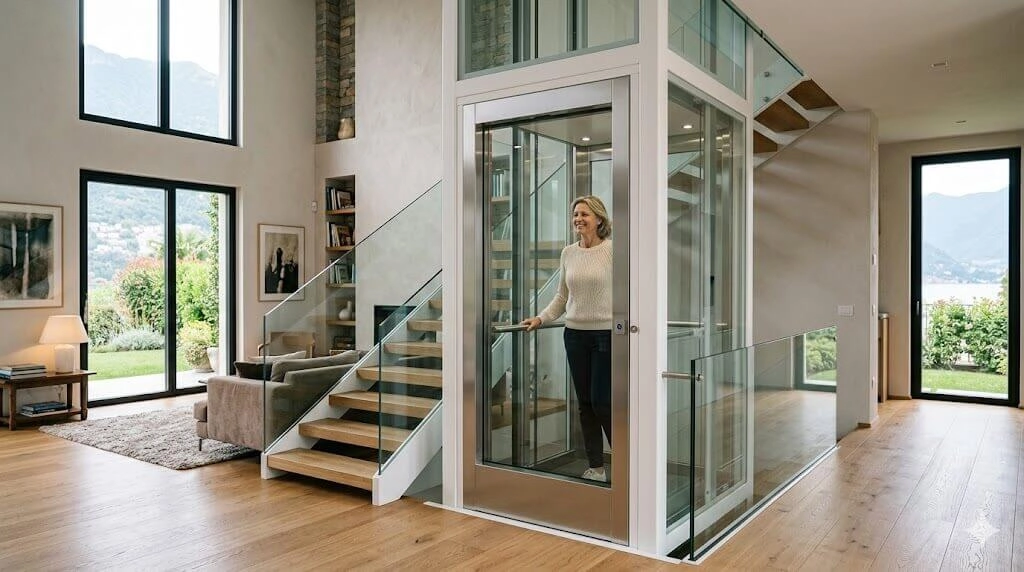



Customize
Do I need architectural drawings to start customization?
Not required initially. We can start with basic dimensions or photos and assist with full planning.
How long does a custom order take to deliver?
On average, production takes 30–45 days after confirmation, depending on your configuration.
Is customization available for both indoor and outdoor elevators?
Yes. All custom options apply to indoor and weatherproof outdoor models.
Can I customize the elevator to match my home style?
Absolutely. We offer multiple cabin styles, materials, and finishes to suit modern, classic, or minimalist interiors.
Can the elevator design be matched to my home's architecture?
Absolutely. Our designers tailor each cabin to complement your interior layout and style.
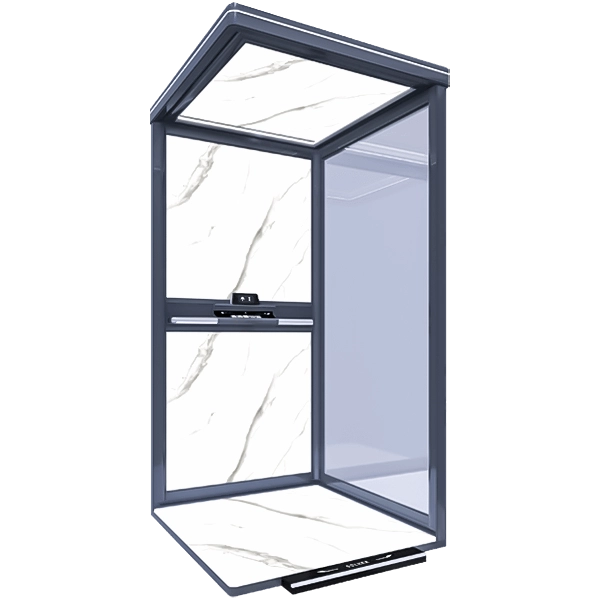
The Model-S is a home villa elevator in the Italian minimalist style. It features the most advanced elevator technology and has comprehensive safety protection measures. It is the most reliable guarantee for your passage in villa homes.
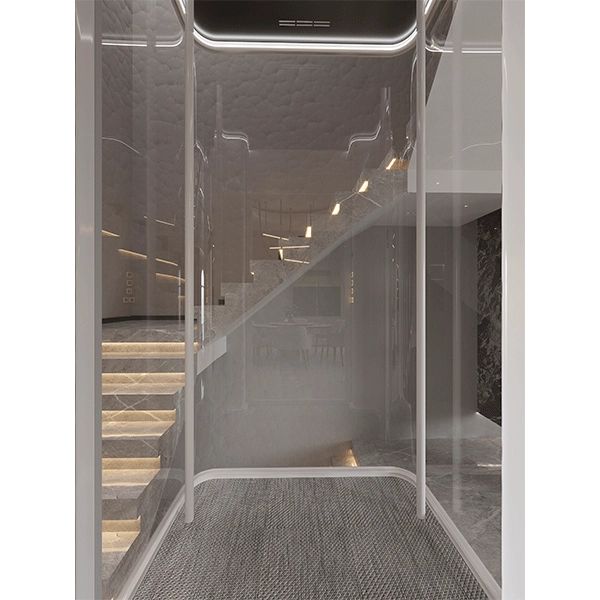
The Model-Mini is a home villa elevator in the Italian minimalist style. It features the most advanced elevator technology and has comprehensive safety protection measures. It is the most reliable guarantee for your passage in villa homes

The Model-Q is a home villa elevator in the Italian minimalist style. It features the most advanced elevator technology and has comprehensive safety protection measures. It is the most reliable guarantee for your passage in villa homes.
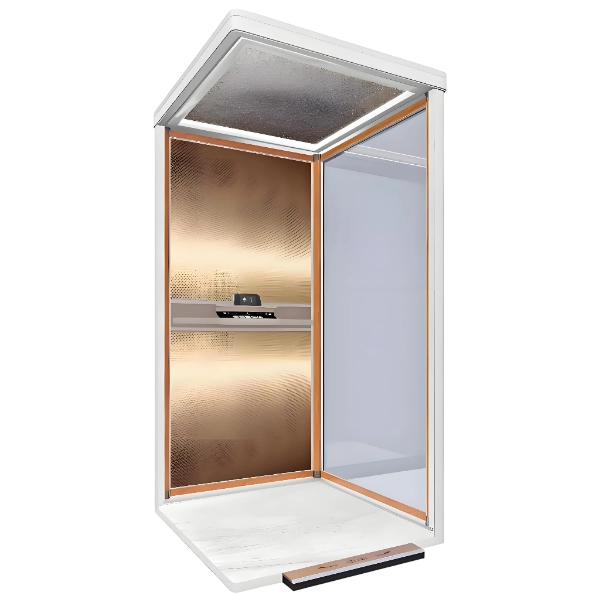
The Model A is a home villa elevator in the Italian minimalist style. It features the most advanced elevator technology and has comprehensive safety protection measures. It is the most reliable guarantee for your passage in villa homes.
Looking for custom villa lifts manufacturing solutions?
We provide full-service OEM & ODM solutions—from concept to delivery.
Design, prototyping, production, and shipping—all in one place.
Fill out the form below for a free quote or consultation.
👉 Contact us today to start an exclusive customized partnership.
📦 Get product catalogs and wholesale prices.
🔧 Submit your design requirements for 1-to-1 exclusive matchmaking.
🌍 Become our global distribution partner.
Rest assured that your privacy is important to us, and all information provided will be handled with the utmost confidentiality.
Let's get in touch
Email: lin@solkerelevator.com
Tel: +86 133 1668 7566
Address: Floor 1, Building D, Nanxin Industry International, Nancheng District, Dongguan, China.
 Taiwan, China
 No. 21, Lane 38, 206 Yingtai Road, Yingge District, New Taipei City
 +886 0975-299-830
 United Arab Emirates
Capital Mall, Abu Dhabi, United Arab Emirates, 3rd floor, Luxera elevator +971 52 541 4685 Ceo@maharacare.com
 Melbourne, Australia
 19/12 Natalia Av, Oakleigh South, VIC 3167
+61 1300 771 86 sales@goldenhomelifts.com.au
Sydney, Australia
U28/323 Chisholm Road, Auburn, NSW 2144
+61 1300 771 86 sales@goldenhomelifts.com.au
SOLKER
SOLKER