


10 Best Elevator Lifts for Home in 2026: Expert Reviews & Real Pricing Data
A comprehensive guide to the best home elevator lifts of 2026, featuring expert reviews, a detailed pricing breakdown, and analysis of top brands like Stiltz and SOLKER. Learn about installation costs, shaftless technology, and how to increase property value.
- What is a Morden Home Elevator Lift?
- Key Benefits for 2026 Homeowners
- Quick Summary: Top 3 Home Elevators for 2026
- The 10 Best Elevator Lifts for Home in 2026 (Ranked & Reviewed)
- 1. Stiltz Duo/Trio Alta
- 2. SOLKER
- 3. PVE (Pneumatic Vacuum Elevators)
- 4. Inclinator Elevette
- 5. Lifton Home Lifts
- 6. AmeriGlide Elite
- 7. Nibav Lifts
- 8. Cibes Lift
- 9. Arrow Lift / Symmetry
- 10. 101 Mobility Custom Models
- 2026 Pricing Guide: Real Data & Installation Costs
- Estimated Cost Breakdown
- Comparing Drive Systems: Which Technology is Best?
- Expert Tips: Mistakes to Avoid When Buying a Home Lift
- FAQ: Common Questions About Residential Elevators
- How much does it cost to install an elevator lift in a home in 2026?
- Does a home elevator add value to a house?
- What is the safest type of home elevator?
- Do I need a pit for a home elevator?
- Does Medicare cover the cost of a home elevator?
- How much space is needed for a residential elevator?
- How often does a home elevator require maintenance?
- What happens to a home elevator during a power outage?
- References
What is a Morden Home Elevator Lift?
A modern home elevator lift is a vertical transportation system specifically engineered for private residences to enhance accessibility and aging-in-place capabilities. Unlike commercial elevators, they typically operate at lower speeds (30–40 feet per minute), require minimal overhead clearance, and often utilize machine-room-less (MRL) technology to save space. In 2026, the in home elevator has transitioned from a luxury status symbol to a functional necessity for multigenerational living. While a "stair lift" simply carries a seated passenger up a rail, a full residential elevator adds significant property value and can transport wheelchairs, laundry, and multiple passengers simultaneously.Key Benefits for 2026 Homeowners
· Aging-in-Place: Eliminates the barrier of stairs, allowing seniors to stay in their forever homes.
· Property Value: Recent data suggests a home elevator installation can increase resale value by up to 10%.
· Safety: Modern codes (ASME A17.1) require advanced features like battery lowering systems and interlocks.
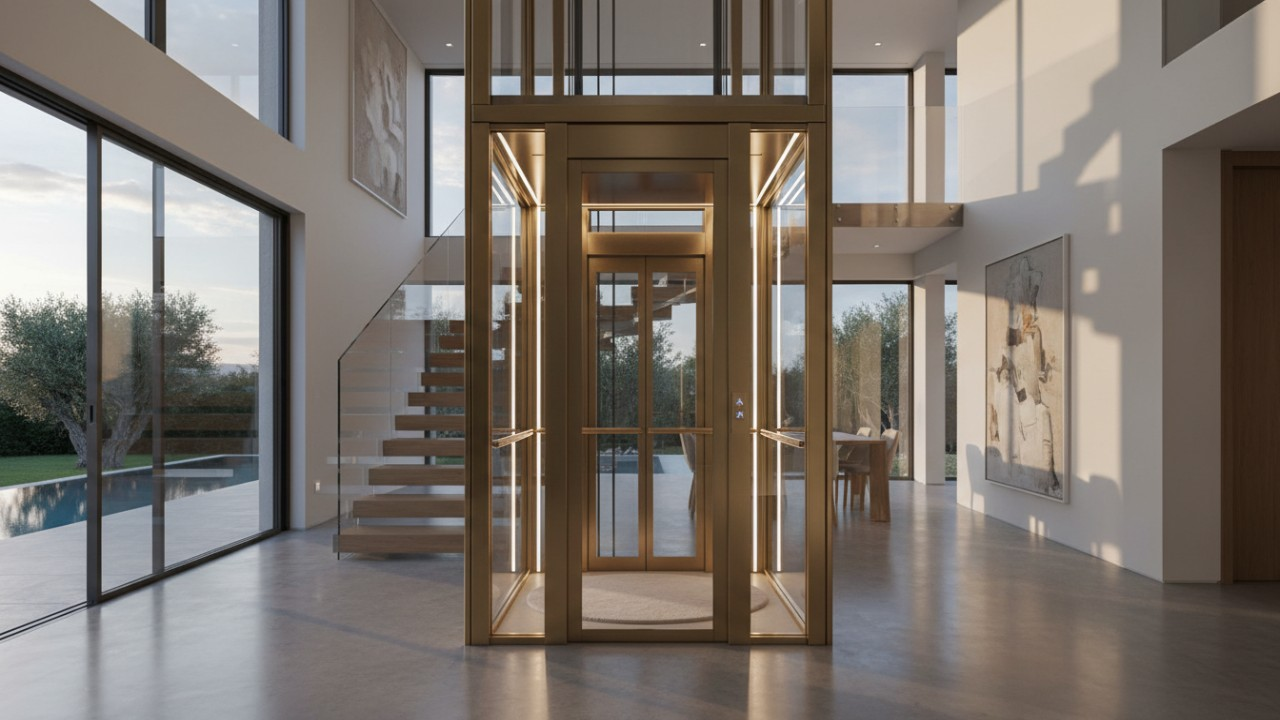
Quick Summary: Top 3 Home Elevators for 2026
If you need a quick answer, here are the top three contenders for the best elevator for home installations this year. These brands excel in safety, design, and value.
|
Category |
Brand & Model |
Why We Picked It |
|
Best Overall |
SOLKER Villa Lift |
Combines premium Italian aesthetics with robust safety features and high customization. |
|
Best for Small Spaces |
Stiltz Trio Alta |
Innovative shaftless dual-rail technology that fits almost anywhere. |
|
Best Eco-Friendly |
PVE 37 (Pneumatic) |
Air-driven system with zero energy descent and panoramic visibility. |
The 10 Best Elevator Lifts for Home in 2026 (Ranked & Reviewed)
Below is our expert curation of the top home elevators for sale this year. We have excluded generic manufacturers to focus on brands with proven safety records and dealer support.
1. Stiltz Duo/Trio Alta
Origin: United KingdomBest For: Small Footprints & Retrofits
The Stiltz range utilizes a unique dual-rail technology that removes the need for a supporting wall. It is a shaftless home elevator that can be installed virtually anywhere, even in the void of a turning staircase.
· Pros: Minimal construction work (install in 1-2 days), very small footprint (<7 sq ft), quiet operation.
· Cons: Not suitable for heavy freight; visible rails in the room.

2. SOLKER
Origin: China (Italian Design Center)Best For: Luxury Aesthetics & Customization
SOLKER has rapidly gained market share by offering "Villa Elevator" solutions that blend high-end Italian minimalist design with advanced manufacturing. Unlike industrial lifts adapted for homes, SOLKER lifts are designed specifically for the residential environment with a focus on silence and elegance.
· Pros: Stunning glass and metal finishes, customizable cabin interiors, advanced MRL (Machine Room-Less) belt-drive system for smooth rides.
· Cons: Lead times can be longer for highly customized units.

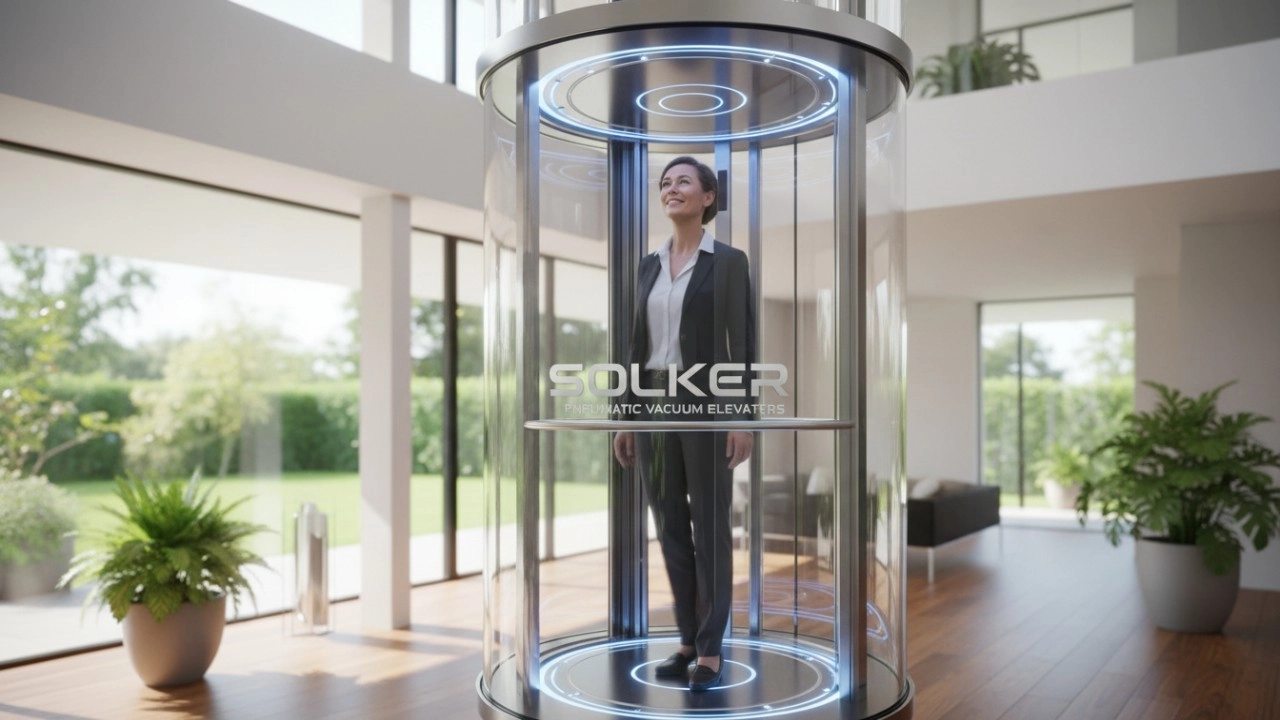
3. PVE (Pneumatic Vacuum Elevators)
Origin: USABest For: Eco-Friendly Tech & Panic-Free Visibility
PVE manufactures the world's only air-driven home elevators. The vacuum technology sucks the cab up and uses gravity to slowly descend, requiring zero electricity on the way down.
· Pros: 360-degree panoramic view, no pit or machine room needed, eco-friendly.
· Cons: Can be noisier than hydraulic systems; round cabin shape may not fit square wheelchairs easily.
4. Inclinator Elevette
Origin: USABest For: Custom Cabs & Tight Spaces
Inclinator is the oldest residential elevator company in America. Their "Elevette" line allows you to place the motor up to 30 feet away, perfect for homes with limited shaft space.
· Pros: Highly customizable cab dimensions (to the inch), varied drive systems (cable drum, hydraulic, MRL).
· Cons: Requires a traditional hoistway construction (more construction work).

5. Lifton Home Lifts
Origin: United KingdomBest For: Smart Technology Integration
Lifton positions itself as a lifestyle product rather than just a mobility aid. Their lifts feature warm LED downlights and sensors that detect obstacles above and below the car.
· Pros: Sleek contemporary design, plugs into a standard wall outlet, very quiet.
· Cons: Limited weight capacity compared to hydraulic models.

6. AmeriGlide Elite
Origin: USABest For: Budget-Conscious Buyers
For those asking how much does a small home elevator cost, AmeriGlide often provides the most accessible answer. They offer direct-to-consumer sales which significantly lowers the price point.
· Pros: Affordable pricing, reliable chain drive system, widespread parts availability.
· Cons: DIY-heavy model; you must hire your own local installers and handle permitting.
7. Nibav Lifts
Origin: IndiaBest For: Safety Standards (TUV Certified)
Nibav has made waves with their Series IV pneumatic lifts. They are "Made in India for the World" and boast TUV SUD certification, ensuring they meet strict European safety standards.
· Pros: Air-driven (green technology), compact, integrated aesthetics with no visible machinery.
· Cons: Cylinder design has a fixed footprint that cannot be altered.

8. Cibes Lift
Origin: SwedenBest For: Screw-Driven Reliability
Cibes utilizes a screw-and-nut drive system which is virtually practically impossible to make fall. It’s a platform lift enclosed in a shaft, offering Scandinavian simplicity and durability.
· Pros: Extremely safe, no pit required, suitable for indoor and outdoor home elevator installation.
· Cons: Slower speed than traction elevators; platform style means you hold the button to run.

9. Arrow Lift / Symmetry
Origin: USABest For: Dealer Support & Service
Symmetry Elevators are sold exclusively through a network of factory-trained partners (like Arrow Lift). This ensures that you always have a local expert for maintenance.
· Pros: robust flat-chain drive system, excellent warranty, full-service installation.
· Cons: Higher price point due to the full-service dealer model.
10. 101 Mobility Custom Models
Origin: USA (Network)Best For: Local Installation Networks
101 Mobility is not a manufacturer but a massive dealer network that curates the best models (often rebadged Savaria or similar). They handle the entire process from permitting to service.
· Pros: One-stop-shop experience, local accountability, wide range of products.
· Cons: Pricing varies significantly by location and specific franchise

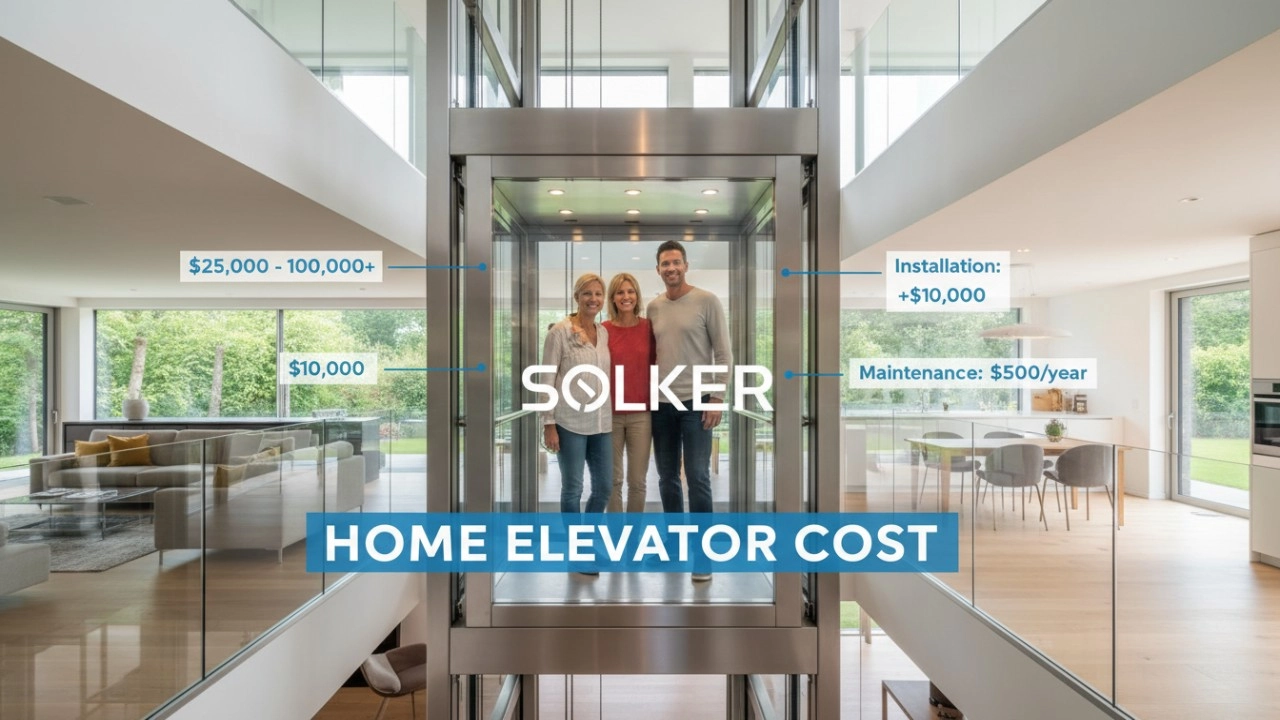
2026 Pricing Guide: Real Data & Installation Costs
One of the most common queries is how much does a small home elevator cost? In 2026, prices have stabilized, but installation labor remains a major factor.
Estimated Cost Breakdown
|
Expense Category |
Low-End (Shaftless) |
Mid-Range (Hydraulic/Cable) |
High-End (Pneumatic/Glass) |
|
Elevator Hardware |
$18,000 - $22,000 |
$25,000 - $35,000 |
$40,000 - $65,000 |
|
Installation Labor |
$3,000 - $5,000 |
$8,000 - $12,000 |
$10,000 - $15,000 |
|
Construction (Shaft) |
$0 - $2,000 |
$10,000 - $15,000 |
$0 - $5,000 (Retrofit) |
|
Total Cost |
$21,000 - $29,000 |
$43,000 - $62,000 |
$50,000 - $85,000+ |
· Hardware vs. Installation: Typically, the unit itself accounts for 60% of the cost, while site preparation and labor make up 40%.
· Hidden Costs: Be aware of potential electrical upgrades (requires a 220V dedicated line) and permitting fees, which can range from $500 to $2,000 depending on your municipality.
· Financing: While Medicare rarely covers elevators, VA benefits and long-term care insurance may provide funding. Additionally, the cost may be tax-deductible as a "medical necessity" capital improvement.
For a deeper dive into selecting the right model for your budget, read our guide to Choose Home Elevators.
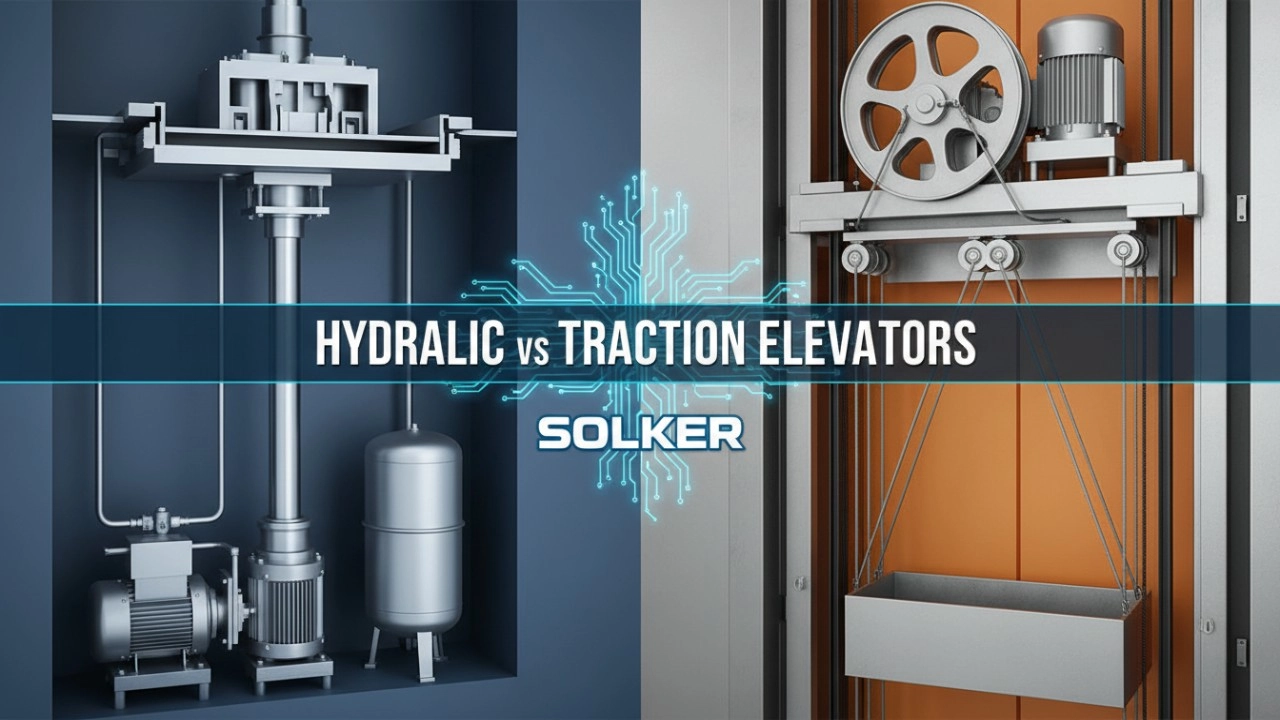
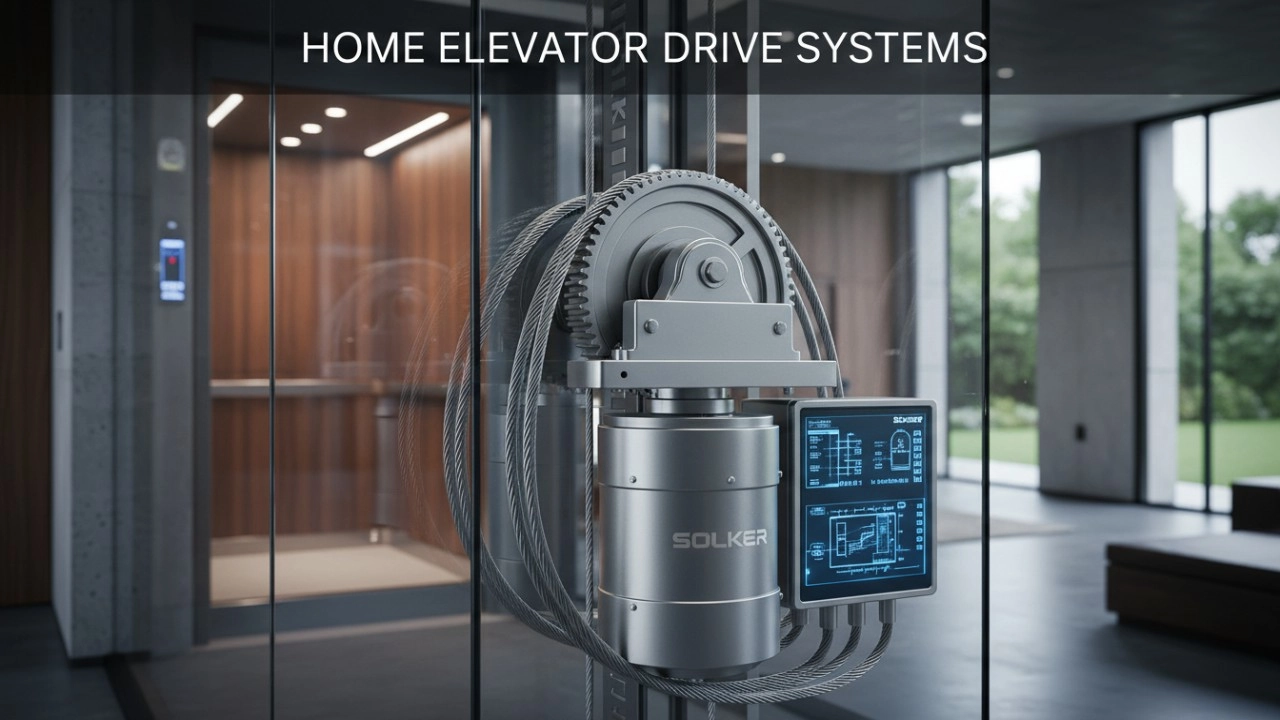
Comparing Drive Systems: Which Technology is Best?
Choosing the right drive system is crucial for noise control and maintenance.
1. Hydraulic: Uses a pump and fluid piston. Best for heavy lifting capacity (up to 1,000 lbs). It offers a smooth ride but requires a machine cabinet and hydraulic fluid changes.
2. Pneumatic (Vacuum): Uses air pressure. Best for aesthetics and existing homes. It looks cool and installs fast but can be pricier and slightly noisier (like a vacuum cleaner).
3. Winding Drum/Cable: Uses cables and a counterweight. Best for cost-effectiveness. It fits in standard shafts but requires regular cable inspections.
4. Shaftless: Rides on rails through a floor cutout. Best for retrofits. Least construction required but limited to two floors typically.
Looking for compact options? Check out our list of the Top 10 Small Home Elevators.
Expert Tips: Mistakes to Avoid When Buying a Home Lift
· Construction Gaps: A common error is failing to account for the "pit depth" (usually 6-12 inches) or overhead clearance (usually 96 inches) at the top landing. Small elevators for homes often claim "no pit," but always verify the floor load requirements.
· Maintenance Contracts: Never skip the service agreement. An accredited home elevator company will insist on at least annual inspections to test the safety brakes and door interlocks.
· Resale Value: Avoid installing a lift that clashes with your home's architecture. A glass or neutral-toned lift blends better than a bulky industrial-looking one.
· Safety Codes: Ensure your chosen model meets ASME A17.1 Section 5.3 standards. This code specifically governs private residence elevators and mandates minimal gaps between the landing door and the elevator gate to prevent entrapment.
FAQ: Common Questions About Residential Elevators
How much does it cost to install an elevator lift in a home in 2026?
A realistic average range is $25,000 to $65,000. This covers the elevator unit, shipping, and professional installation. Custom glass models or complex structural retrofits can push costs over $80,000.
Does a home elevator add value to a house?
Yes. Market data indicates an elevator lift for home use can increase property value by approximately 10%. It significantly widens the buyer pool to include retirees and multigenerational families.
What is the safest type of home elevator?
Pneumatic and hydraulic systems are often considered the safest because they have built-in descent mechanisms. In the event of a power failure, gravity or battery backups gently lower the cab to the nearest floor.
Do I need a pit for a home elevator?
Not necessarily. While traditional hydraulic lifts need a pit, modern shaftless home elevator models and pneumatic tubes rest directly on the existing floor, making them ideal for retrofits.
Does Medicare cover the cost of a home elevator?
Generally, no. Medicare considers elevators a "home modification" rather than durable medical equipment. However, Veterans Affairs (VA) grants or private long-term care insurance may cover some costs.
How much space is needed for a residential elevator?
Space requirements vary by type. A shaftless lift may need only 12–15 square feet, while a traditional hoistway elevator typically requires 20–25 square feet of floor space plus the machine room.
How often does a home elevator require maintenance?
Most manufacturers recommend maintenance inspections at least once a year. Hydraulic systems may need fluid checks, while cable systems require tension adjustments bi-annually.
What happens to a home elevator during a power outage?
All code-compliant residential elevators must have an emergency battery backup system (UPS). This allows the car to lower to a landing and open the door so passengers can exit safely.
References
Customize
Can the elevator design be matched to my home's architecture?
Absolutely. Our designers tailor each cabin to complement your interior layout and style.
Can I customize the elevator to match my home style?
Absolutely. We offer multiple cabin styles, materials, and finishes to suit modern, classic, or minimalist interiors.
Can I choose specific materials or colors for the cabin?
Yes. We offer a wide range of premium materials and finishes — from stone to wood to glass.
What parts of the elevator can be customized?
You can personalize wall panels, flooring, lighting, control panels, handrails, and door finishes.
Product
How long is the production date required?
Under normal circumstances, the production time is 35 to 45 days.
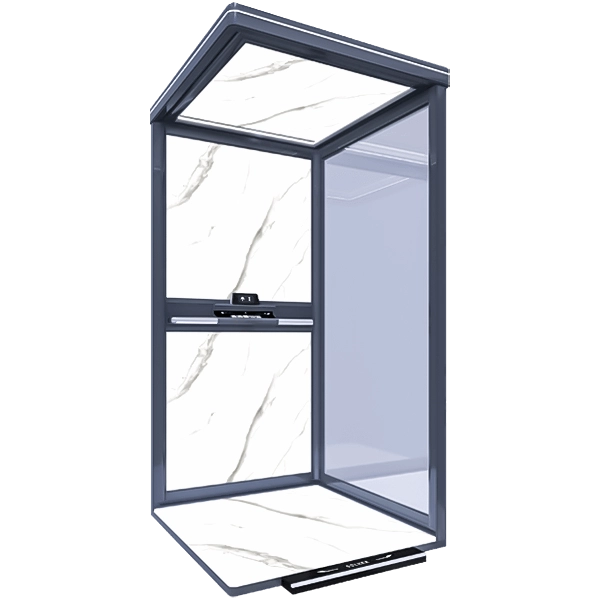
The Model-S is a home villa elevator in the Italian minimalist style. It features the most advanced elevator technology and has comprehensive safety protection measures. It is the most reliable guarantee for your passage in villa homes.
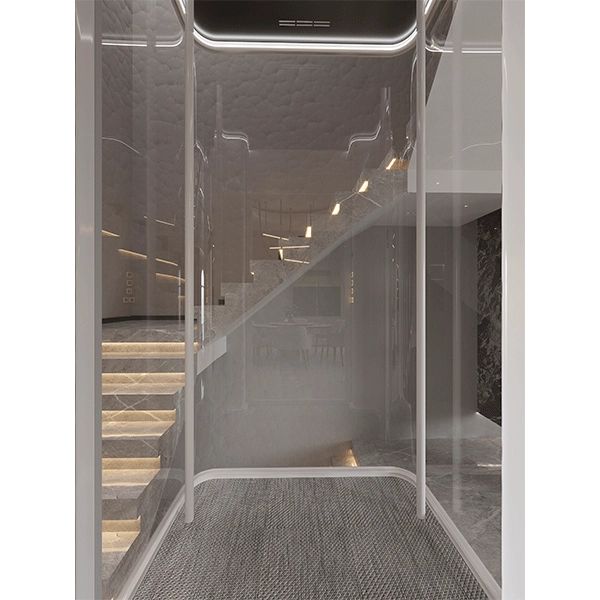
The Model-Mini is a home villa elevator in the Italian minimalist style. It features the most advanced elevator technology and has comprehensive safety protection measures. It is the most reliable guarantee for your passage in villa homes
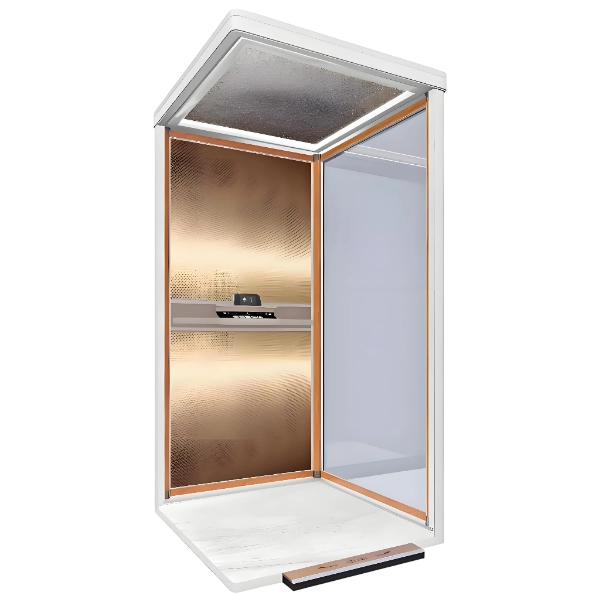
The Model A is a home villa elevator in the Italian minimalist style. It features the most advanced elevator technology and has comprehensive safety protection measures. It is the most reliable guarantee for your passage in villa homes.

The Model-Q is a home villa elevator in the Italian minimalist style. It features the most advanced elevator technology and has comprehensive safety protection measures. It is the most reliable guarantee for your passage in villa homes.
Looking for custom villa lifts manufacturing solutions?
We provide full-service OEM & ODM solutions—from concept to delivery.
Design, prototyping, production, and shipping—all in one place.
Fill out the form below for a free quote or consultation.
👉 Contact us today to start an exclusive customized partnership.
📦 Get product catalogs and wholesale prices.
🔧 Submit your design requirements for 1-to-1 exclusive matchmaking.
🌍 Become our global distribution partner.
Rest assured that your privacy is important to us, and all information provided will be handled with the utmost confidentiality.
Let's get in touch
Email: lin@solkerelevator.com
Tel: +86 133 1668 7566
Address: Floor 1, Building D, Nanxin Industry International, Nancheng District, Dongguan, China.
 Taiwan, China
 No. 21, Lane 38, 206 Yingtai Road, Yingge District, New Taipei City
 +886 0975-299-830
 United Arab Emirates
Capital Mall, Abu Dhabi, United Arab Emirates, 3rd floor, Luxera elevator +971 52 541 4685 Ceo@maharacare.com
 Melbourne, Australia
 19/12 Natalia Av, Oakleigh South, VIC 3167
+61 1300 771 86 sales@goldenhomelifts.com.au
Sydney, Australia
U28/323 Chisholm Road, Auburn, NSW 2144
+61 1300 771 86 sales@goldenhomelifts.com.au
SOLKER
SOLKER