


Ultimate Guide to Home Elevators 2026: Type & How to Choose
A comprehensive 'Skyscraper' guide to residential elevators in 2026. This article covers detailed cost breakdowns, compares drive systems like pneumatic and hydraulic, explains safety codes (ASME A17.1), and analyzes the impact on property value. It also includes a buyer's guide and maintenance advice.
- What is a Home Elevator and Why Consider One?
- Top Benefits of Installing a Home Elevator in 2026
- Understanding Home Elevator Costs in 2026: A Detailed Breakdown
- Primary Cost Factors
- Residential Elevator Price Estimates by Type
- Types of Home Elevators: Finding Your Perfect Drive System
- Specialty Options
- How to Choose the Best Home Elevator for Your Needs
- 1. Assess Your Lifestyle
- 2. Evaluate Structural Limitations
- 3. Review Safety Standards
- 4. Financing and Budgeting
- The Home Elevator Installation Process: What to Expect
- Maintenance and Long-Term Ownership
- Dispelling Myths and Addressing Common Concerns
- Frequently Asked Questions
- How much does it typically cost to install a home elevator in 2026?
- What are the main types of home elevators available?
- Do home elevators really increase property value?
- What are the key safety features of a modern home elevator?
- How much space does a home elevator require?
- What is the typical maintenance schedule and cost for a home elevator?
- Can I install a home elevator in an existing house?
- Are there financing options or grants available?
- References
What is a Home Elevator and Why Consider One?
In 2026, the elevator for home usage has evolved from a luxury novelty into a practical necessity for modern living. A residential elevator is a vertical transportation platform designed specifically for private dwellings, allowing seamless movement between floors. Unlike stair lifts, which transport a seated individual along a staircase rail, home elevators carry passengers (and often wheelchairs or heavy items) vertically through a hoistway or self-supporting structure.
Historically, residential lifts were cumbersome and reserved for the ultra-wealthy. Today, technological advancements have made them compact, energy-efficient, and aesthetically versatile. Considering an in home elevator is no longer just about convenience; it is a strategic investment in accessibility, allowing homeowners to "age in place" safely while significantly boosting property marketability.

Top Benefits of Installing a Home Elevator in 2026
Installing a residential lift offers multifaceted advantages that extend beyond simple vertical transport:
· Enhanced Mobility and Accessibility: For seniors or those with disabilities, an elevator restores full access to the home, eliminating the physical barrier of stairs. This aligns with the principles of universal design.
· Significant Boost to Property Value: Data suggests that homes with accessibility features can command higher resale values. As noted by industry reports, a well-integrated elevator can increase a property's value by up to 10%, appealing to a broader demographic of buyers.
· Superior Safety: Modern lifts are equipped with advanced safety features, protecting children and pets from the dangers of steep staircases.
· Future-Proofing: It prepares your home for long-term ownership, ensuring that changes in health or mobility do not force a move.
· Luxury and Customization: From glass cab walls to custom wood finishes, elevators serve as a stunning architectural focal point.
Understanding Home Elevator Costs in 2026: A Detailed Breakdown
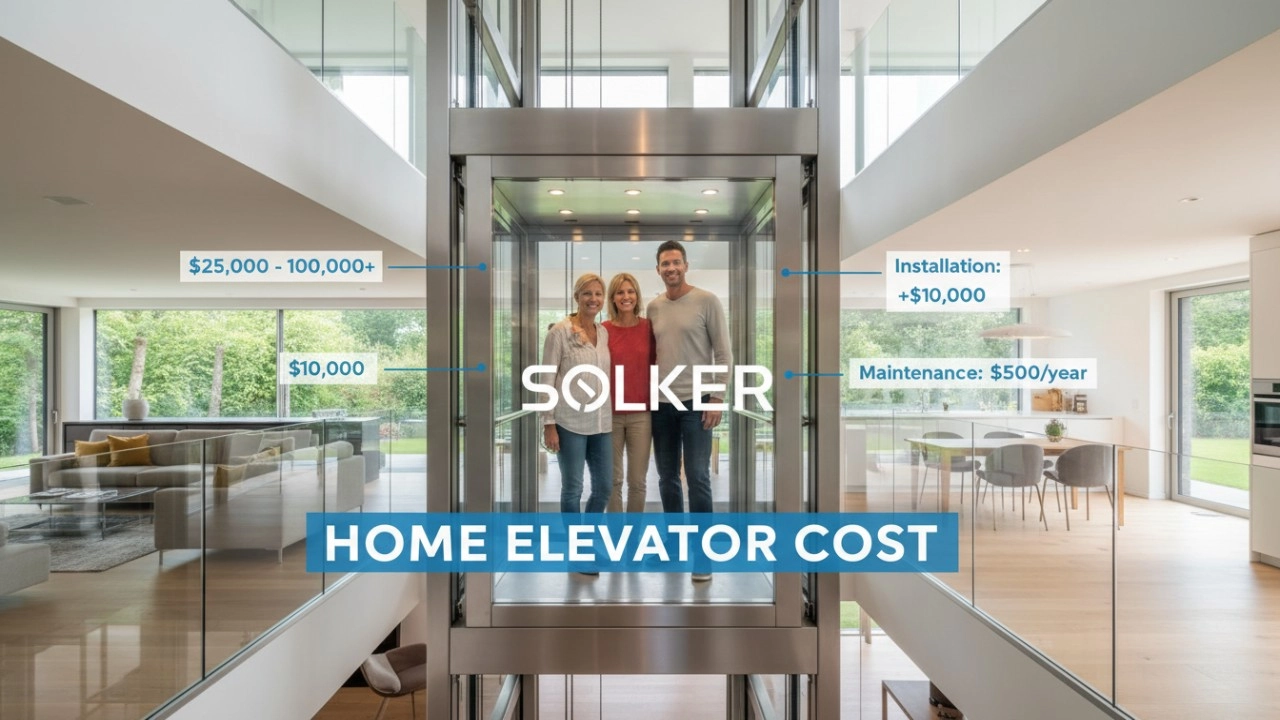
The most common question we encounter is: how much does a home elevator cost? In 2026, the total investment for a residential elevator typically ranges from $20,000 to $80,000+, depending heavily on the drive system and site preparation.
Primary Cost Factors
1. Elevator Unit Price: The equipment itself usually costs between $15,000 and $50,000.
2. Drive System:
o Inexpensive home elevator options (like basic cable-driven models) sit at the lower end.
o Pneumatic (vacuum) and hydraulic systems command higher prices due to their technology and ride quality.
3. Installation & Construction: This is often the "hidden" cost. Building a hoistway (shaft), creating a pit, and upgrading electrical panels can add $10,000 to $25,000 to the project.
Residential Elevator Price Estimates by Type
· Hydraulic: $30,000 – $50,000 (Installed)
· Traction (Cable): $25,000 – $45,000 (Installed)
· Pneumatic (Vacuum): $35,000 – $60,000 (Installed)
· Shaftless: $25,000 – $50,000 (Installed)
For a granular analysis of these figures, including labor rates and permit fees, refer to our detailed guide on how much does a home elevator cost.
Types of Home Elevators: Finding Your Perfect Drive System
Selecting the right home elevator lifts requires understanding the mechanics behind them. Below is a detailed comparison of the most popular drive systems available in 2026.
|
Feature |
Hydraulic Elevators |
Pneumatic (Vacuum) Elevators |
Traction (Cable-Driven) |
Shaftless Elevators |
|
Mechanism |
Uses a hydraulic arm/piston to lift the cab. |
Uses air pressure differences to move the cab. |
Uses counterweights and cables with a motor. |
Travels on rails through a floor cutout. |
|
Space Needs |
Requires a machine room and deep pit. |
Self-supporting; no pit or machine room needed. |
Machine-room-less (MRL) options available. |
Minimal footprint; no hoistway required. |
|
Ride Quality |
Smooth, heavy-duty capacity. |
Unique, futuristic ride; slightly noisier. |
Quiet, fast, and energy-efficient. |
Functional; slower speed for safety. |
|
Pros |
High weight capacity; reliable technology. |
Panoramic views; quick installation; eco-friendly. |
smooth ride; no hydraulic fluids. |
Ultimate space-saver; lower construction costs. |
|
Cons |
Risk of oil leaks; requires more space. |
Higher price point; limited capacity. |
Requires overhead clearance. |
Limited to 2 floors usually; open concept. |
For those with limited space, the Top 10 Small Home Elevator options often feature shaftless or pneumatic designs that fit into existing closets or tight corners.
Specialty Options
· Outdoor Home Elevator: Designed with weather-resistant materials for exterior installation, perfect for homes where interior space is unavailable.
· Vertical Platform Lifts (VPL): A more utilitarian solution often used for porches or garage entry, typically lower in cost than fully enclosed elevators.
How to Choose the Best Home Elevator for Your Needs
Navigating the market to Choose and Install In Home Elevator systems requires a strategic approach.
1. Assess Your Lifestyle
Are you installing this for an elderly parent, a wheelchair user, or for luxury convenience? A wheelchair user will require a larger cab size (typically 36" x 48" minimum) and a wider door opening, whereas a small elevators for homes model might suffice for transporting laundry or a single standing passenger.
2. Evaluate Structural Limitations
Existing homes often face space constraints.
· High Ceilings? Traction elevators need overhead clearance.
· No Pit Depth? Look for shaftless home elevator models or pneumatic lifts that rest on the existing floor.
3. Review Safety Standards
Ensure your chosen model complies with ASME A17.1 Safety Code for Elevators and Escalators, specifically Section 5.3 regarding private residence elevators. A critical safety update involves the gap between the hoistway door and the elevator door; it must be minimal (often referred to as the "3/4 inch - 4 inch rule") to prevent entrapment.
4. Financing and Budgeting
While finding an inexpensive home elevator is a priority for many, do not compromise safety for cost. Explore financing options offered by manufacturers, home equity loans, or potential tax deductions. According to IRS Publication 502, capital expenses for special equipment installed in a home for medical care may be tax-deductible if they do not increase the property value.
The Home Elevator Installation Process: What to Expect
1. Site Assessment: A professional visits to measure and determine feasibility.
2. Design & Engineering: Custom drawings are created. You select finishes (wood, glass, steel).
3. Permits: Local building permits are secured.
4. Site Prep (The "Dirty" Work): Contractors build the shaft, dig the pit (if needed), and run dedicated electrical lines.
5. Installation: The elevator mechanics arrive to assemble the rail system, cab, and motor. This typically takes 3-5 days.
6. Commissioning: Safety tests are performed, and the system is inspected by a local authority.
Maintenance and Long-Term Ownership
Proper home elevator maintenance is non-negotiable for safety and longevity. Unlike a kitchen appliance, a lift residential system requires regular professional attention.
· Schedule: Most manufacturers mandate service every 6 to 12 months.
· Costs: Annual maintenance contracts generally range from $200 to $600. This ensures the emergency battery backup, door interlocks, and drive systems are functioning correctly.
· Lifespan: With proper care, a hydraulic or traction elevator can last 20-25 years, while pneumatic systems also boast long service lives due to fewer moving parts.
Dispelling Myths and Addressing Common Concerns
Myth: "Elevators use massive amounts of electricity."Fact: Modern home elevator lifts are energy efficient. Some traction models use less energy than a standard toaster, and pneumatic elevators consume zero energy during descent.
Concern: "What happens during a power outage?"Fact: Code-compliant elevators include a battery backup system that safely lowers the cab to the nearest floor and opens the door, ensuring you are never trapped.
Frequently Asked Questions
How much does it typically cost to install a home elevator in 2026?
The average cost for a home elevator, including installation, typically ranges from $20,000 to $80,000+ in 2026. This price varies significantly based on the elevator type, drive system, number of floors, cab finishes, and whether it is for new construction or a retrofit.
What are the main types of home elevators available?
The primary types include Hydraulic, Pneumatic Vacuum (PVE), and Traction (Cable-Driven) elevators. Shaftless home elevator models are also popular for their space-saving design, as they move through the floor without a traditional hoistway.
Do home elevators really increase property value?
Yes, a professionally installed home elevator can significantly increase your property's value and market appeal. It makes your home more accessible, convenient, and attractive to a wider range of buyers, especially those planning to age in place.
What are the key safety features of a modern home elevator?
Modern home elevators are equipped with numerous safety features, including emergency stop buttons, battery backup for power outages, manual lowering systems, and door interlocks to prevent operation when doors are open. They must adhere to ASME A17.1 standards.
How much space does a home elevator require?
Space requirements vary. Shaftless elevators require minimal structural modification, often fitting into a closet-sized space. Traditional elevators require a dedicated hoistway and sometimes a machine room, though machine-room-less (MRL) options are available.
What is the typical maintenance schedule and cost for a home elevator?
Most manufacturers recommend professional maintenance every 6 to 12 months. Annual service contracts typically range from $200 to $600, covering inspections, lubrication, and safety checks.
Can I install a home elevator in an existing house?
Yes, retrofitting is common. It may involve more extensive renovation work, such as creating a hoistway or modifying structural elements, which will influence the overall residential elevator price.
Are there financing options or grants available?
Many manufacturers offer financing plans. Additionally, under IRS Publication 502, medically necessary home improvements may be tax-deductible. Home equity loans are also a common funding source.
References
· IRS: Publication 502 (2024), Medical and Dental Expenses
· ASME: A17.1/CSA B44 - Safety Code for Elevators and Escalators
· Angi: How Much Does Home Elevator Maintenance Cost? (2025 Data)

![How an Elevator for Home Can Increase Your Property Value by 10% [2026 Case Study] - SOLKER](https://static.gooecloud.com/upload/img/GY076088693142/how-an-elevator-for-home-can-increase-your-property-value-by-10-2026-case-study.png?x-oss-process=image/format,webp/quality,Q_100 "How-an-Elevator-for-Home-Can-Increase-Your-Property-Value-by-10%-[2026-Case-Study] - SOLKER")
Customize
Do I need architectural drawings to start customization?
Not required initially. We can start with basic dimensions or photos and assist with full planning.
Is customization available for both indoor and outdoor elevators?
Yes. All custom options apply to indoor and weatherproof outdoor models.
How long does a custom order take to deliver?
On average, production takes 30–45 days after confirmation, depending on your configuration.
Product
How to install an elevator and what is the warranty?
We have overseas technicians who are at your service 24 hours a day, 365 days a year.
How long is the production date required?
Under normal circumstances, the production time is 35 to 45 days.
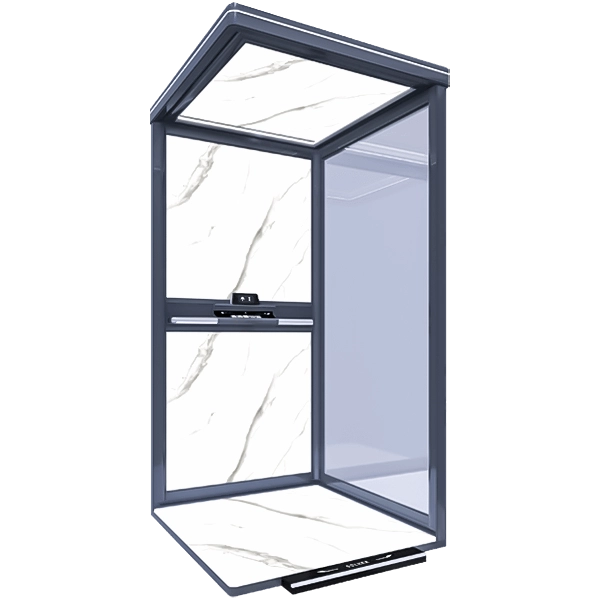
The Model-S is a home villa elevator in the Italian minimalist style. It features the most advanced elevator technology and has comprehensive safety protection measures. It is the most reliable guarantee for your passage in villa homes.
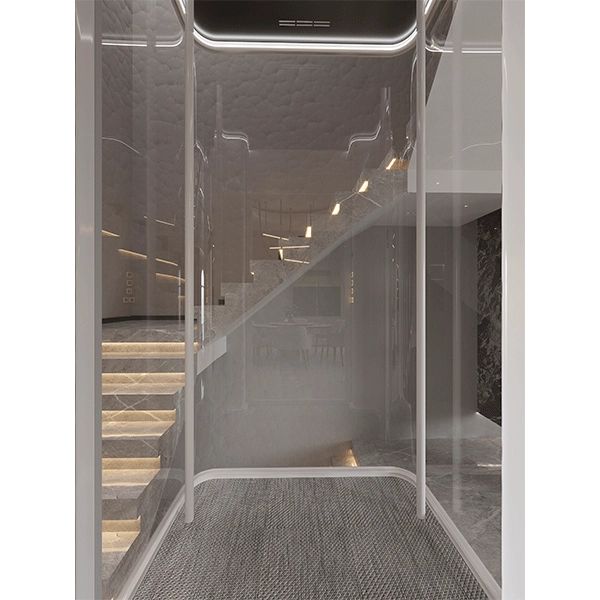
The Model-Mini is a home villa elevator in the Italian minimalist style. It features the most advanced elevator technology and has comprehensive safety protection measures. It is the most reliable guarantee for your passage in villa homes
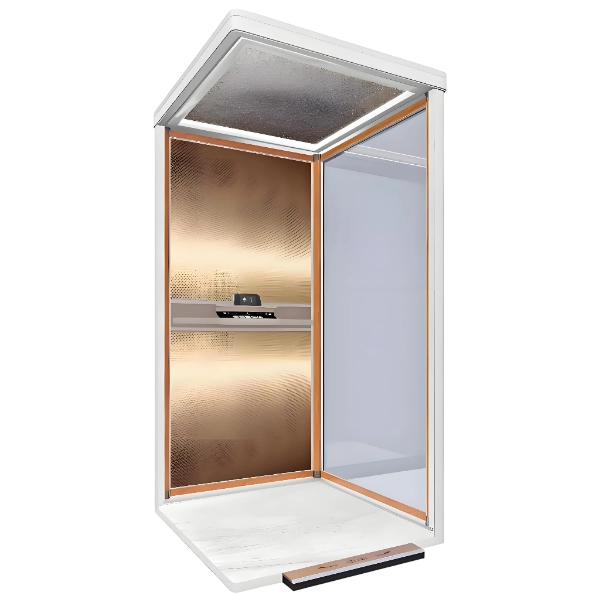
The Model A is a home villa elevator in the Italian minimalist style. It features the most advanced elevator technology and has comprehensive safety protection measures. It is the most reliable guarantee for your passage in villa homes.

The Model-Q is a home villa elevator in the Italian minimalist style. It features the most advanced elevator technology and has comprehensive safety protection measures. It is the most reliable guarantee for your passage in villa homes.
Looking for custom villa lifts manufacturing solutions?
We provide full-service OEM & ODM solutions—from concept to delivery.
Design, prototyping, production, and shipping—all in one place.
Fill out the form below for a free quote or consultation.
👉 Contact us today to start an exclusive customized partnership.
📦 Get product catalogs and wholesale prices.
🔧 Submit your design requirements for 1-to-1 exclusive matchmaking.
🌍 Become our global distribution partner.
Rest assured that your privacy is important to us, and all information provided will be handled with the utmost confidentiality.
Let's get in touch
Email: lin@solkerelevator.com
Tel: +86 133 1668 7566
Address: Floor 1, Building D, Nanxin Industry International, Nancheng District, Dongguan, China.
 Taiwan, China
 No. 21, Lane 38, 206 Yingtai Road, Yingge District, New Taipei City
 +886 0975-299-830
 United Arab Emirates
Capital Mall, Abu Dhabi, United Arab Emirates, 3rd floor, Luxera elevator +971 52 541 4685 Ceo@maharacare.com
 Melbourne, Australia
 19/12 Natalia Av, Oakleigh South, VIC 3167
+61 1300 771 86 sales@goldenhomelifts.com.au
Sydney, Australia
U28/323 Chisholm Road, Auburn, NSW 2144
+61 1300 771 86 sales@goldenhomelifts.com.au
SOLKER
SOLKER