


Home Elevator Installation Costs: Hidden Fees & Construction Guide
- How Much Does a Home Elevator Installation Cost in 2026?
- Key Takeaways: Quick Summary of Elevator Costs
- Breaking Down the Price: Costs by Elevator Drive System
- The Hidden Fees: Structural Changes, Permits, and Architecture
- Ongoing Expenses: Maintenance, Repairs, and Ownership
- Common Mistakes When Budgeting for a Residential Lift (Expert Tips)
- Industry Leading Solution: Luxury Villa Elevator Integration with SOLKER
- Future Trends: What to Expect from 2026 Elevator Technologies
- Conclusion
- FAQs About Home Elevator Installation Costs
- Does a home elevator increase property value?
- Are home elevators covered by Medicare or insurance?
- How much does it cost to maintain a home elevator annually?
- What is the cheapest type of home elevator to install?
- Do I need building permits to install a residential elevator?
- How long does it take to install a home elevator?
- What is the difference between a pitless elevator and a traditional shaft elevator?
- How often do home elevators need to be inspected?
Upgrading your residence with a private lift is no longer just a symbol of ultimate luxury; it is a practical, forward-thinking investment in long-term accessibility and comfort. However, navigating the true Home Elevator Installation Costs requires a deep understanding of the market, as the sticker price of the elevator unit is only one piece of the financial puzzle. Whether you are retrofitting a historic property or integrating a sleek, modern lift into a new build, homeowners must be prepared for the intricacies of architectural modifications, municipal regulations, and long-term upkeep.
In this comprehensive 2026 guide, we will provide a detailed residential elevator price breakdown, explore the hidden construction fees that catch many buyers off guard, and demonstrate how partnering with industry experts like Dongguan SOLKER Elevator Technology Co., Ltd. can streamline your project from concept to completion.
How Much Does a Home Elevator Installation Cost in 2026?
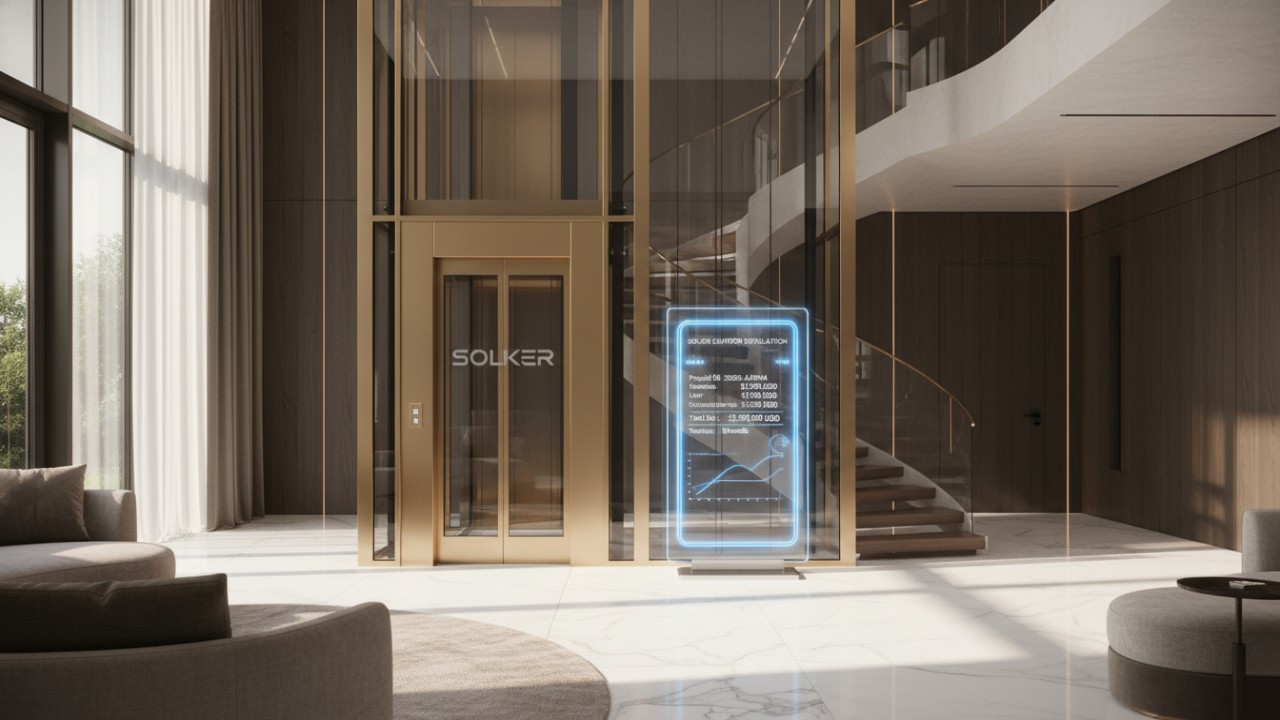
In 2026, the average Home Elevator Installation Costs range from $35,000 to $65,000 depending on the model and home architecture, which includes a base unit price of $20,000 to $40,000 plus hidden construction fees like shaft framing and permits that average $15,000 to $25,000.
While these numbers provide a baseline, the final invoice is highly dependent on your specific requirements. Installing a basic through-the-floor lift in a two-story home will naturally sit at the lower end of this spectrum. Conversely, a multi-stop, custom-finished glass elevator in a luxury residence can easily push the total investment beyond the $80,000 mark. The key to successful budgeting is recognizing that construction and retrofitting often account for nearly 40 percent of the total project expenses in existing homes.
Key Takeaways: Quick Summary of Elevator Costs
Understanding your total financial commitment requires looking beyond the base unit price to include construction, maintenance, and customization, ensuring that homeowners can avoid unexpected expenses and execute a seamless, code-compliant residential elevator installation tailored to their specific needs.
To help you conceptualize the investment, here are the core financial takeaways for 2026:
- Drive Systems Dictate Base Price: Pneumatic and shaftless models generally cost less to install than complex hydraulic elevators.
- Retrofitting is Expensive: Cutting through floors and altering load-bearing walls adds significant labor costs compared to new construction installations.
- Customization Adds Up: Premium finishes, such as panoramic glass cabs, custom wood veneers, and upgraded control panels, carry premium price tags.
- Ongoing Fees are Mandatory: Annual maintenance, municipal permits, and routine safety inspections must be factored into your long-term household budget.
Breaking Down the Price: Costs by Elevator Drive System
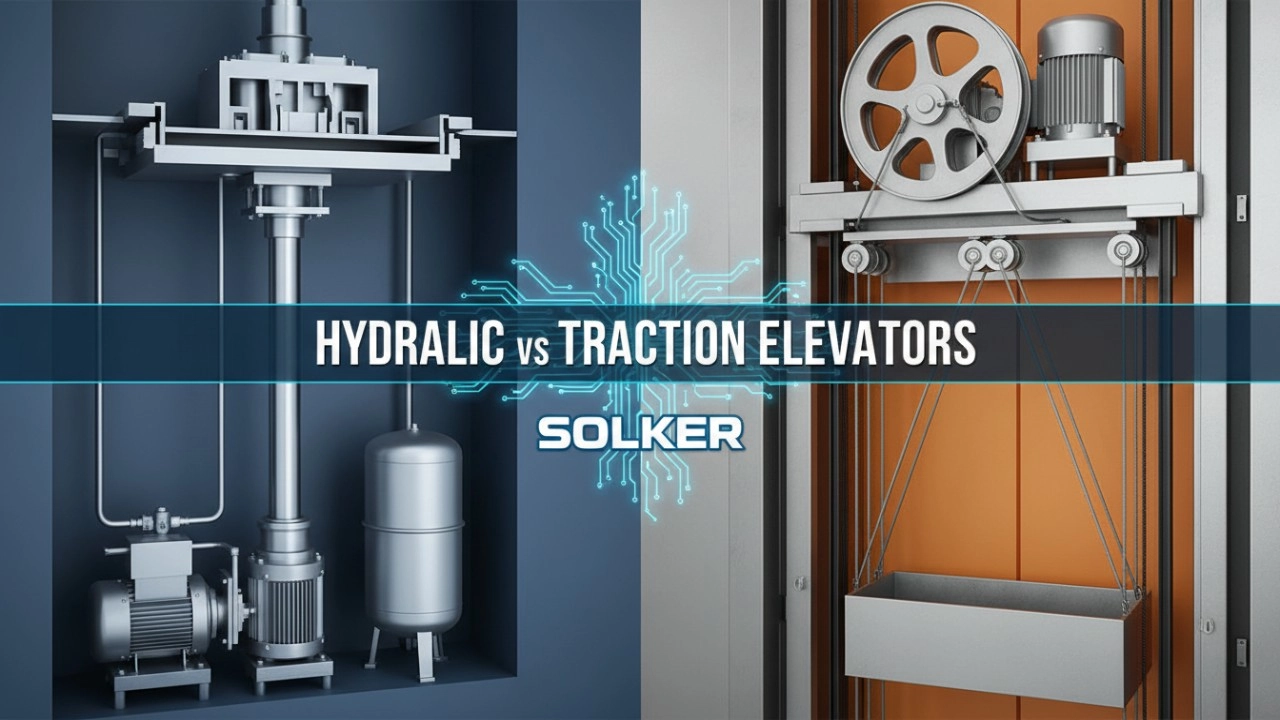
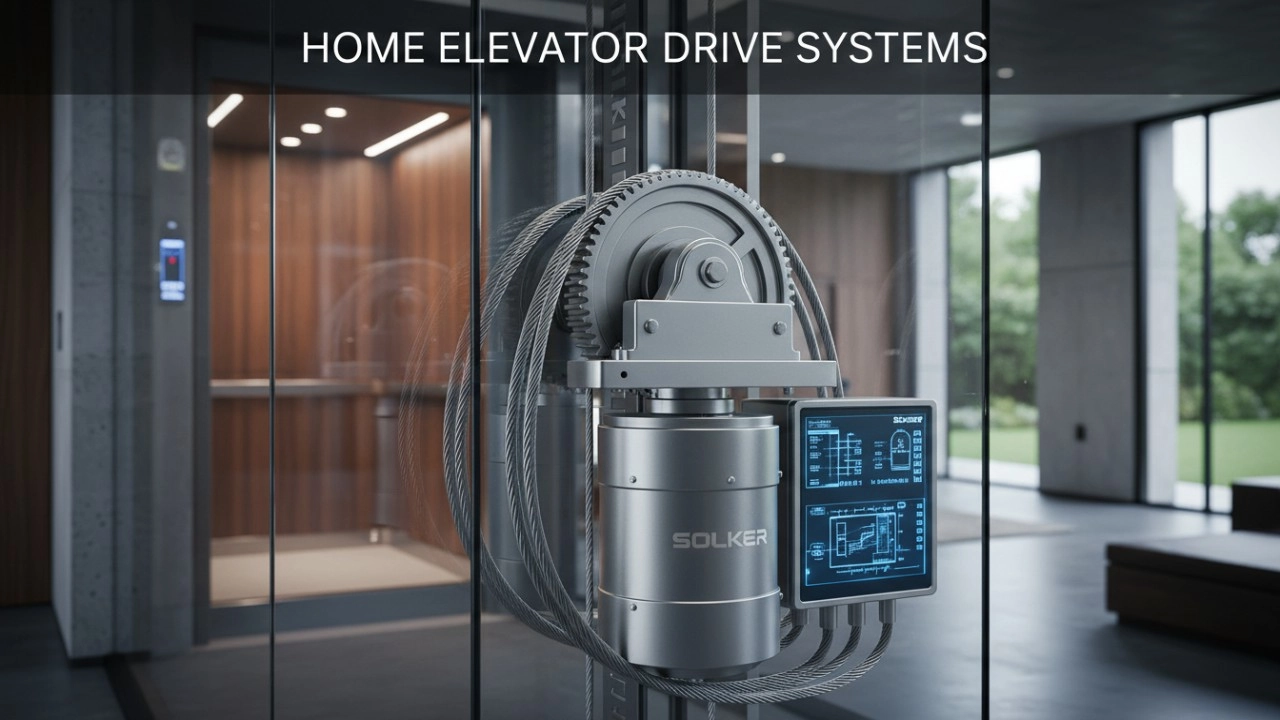
The price of your residential lift is heavily dictated by its drive mechanism, with pneumatic and shaftless models generally costing less to install than traditional hydraulic elevators, allowing you to balance your budget with your home’s existing structural capabilities.
Choosing the correct drive system is the most critical technical decision you will make. Each mechanism offers distinct advantages in terms of ride quality, footprint, and energy consumption.
| Drive System | Estimated Base Price (2026) | Key Advantage | Primary Drawback |
|---|---|---|---|
| Hydraulic Elevators | $40,000 - $50,000 | High weight capacity & incredibly smooth ride | Requires a dedicated machine room and deep pit |
| Pneumatic (Vacuum) | $35,000 - $50,000 | Minimal structural changes needed & space-saving | Limited cabin space and lower weight capacity |
| Traction (Cable) | $30,000 - $45,000 | Energy-efficient & no machine room required | Requires extensive overhead clearance in the hoistway |
| Screw-Driven Lifts | $25,000 - $35,000 | Lower entry price & highly reliable safety mechanisms | Generally slower travel speeds than hydraulic models |
The Hidden Fees: Structural Changes, Permits, and Architecture
The hidden costs of home elevators typically stem from structural modifications, electrical upgrades, and mandatory municipal building permits, which can collectively add $10,000 to $25,000 to your project and represent a critical factor when creating an accurate architectural budget.
Many homeowners experience sticker shock not from the elevator manufacturer, but from their general contractor. To prevent budget overruns, you must account for the following hidden fees:
- Shaft Construction and Framing: Building a fire-rated hoistway and cutting through existing floor joists can easily add $10,000 to $20,000.
- Electrical Upgrades: Most modern elevators require dedicated 220V power lines. Upgrading your home's breaker box and running new wiring often costs an additional $1,500 to $3,000.
- Permits and Inspections: Local building codes mandate strict safety compliance. Securing the necessary permits and passing municipal inspections will add $500 to $2,000 before the unit can be legally operated.
- Architectural and Engineering Fees: Hiring a licensed professional to ensure structural integrity and code compliance is a non-negotiable hidden cost, typically ranging from $2,000 to $5,000.
Ongoing Expenses: Maintenance, Repairs, and Ownership
Beyond the initial installation, home elevator maintenance fees require an annual budget of $300 to $600 for routine service contracts, safety inspections, and part replacements, which is essential for ensuring long-term reliability and compliance with strict residential safety standards.
An elevator is a complex mechanical system that requires regular professional attention. A comprehensive ownership budget should include:
- Annual Service Contracts: Certified technicians must lubricate moving parts, test safety brakes, and calibrate control systems annually.
- Part Replacements: Over a 10-to-15-year lifespan, anticipate costs for replacing battery backups, changing hydraulic fluids, or updating electronic control boards.
- Mandatory Safety Inspections: Some municipalities require bi-annual safety certifications, carrying small but recurring administrative fees.
- Warranty Considerations: Investing in a premium brand upfront often offsets long-term repair costs by providing comprehensive, multi-year warranties on major drive components.
Common Mistakes When Budgeting for a Residential Lift (Expert Tips)
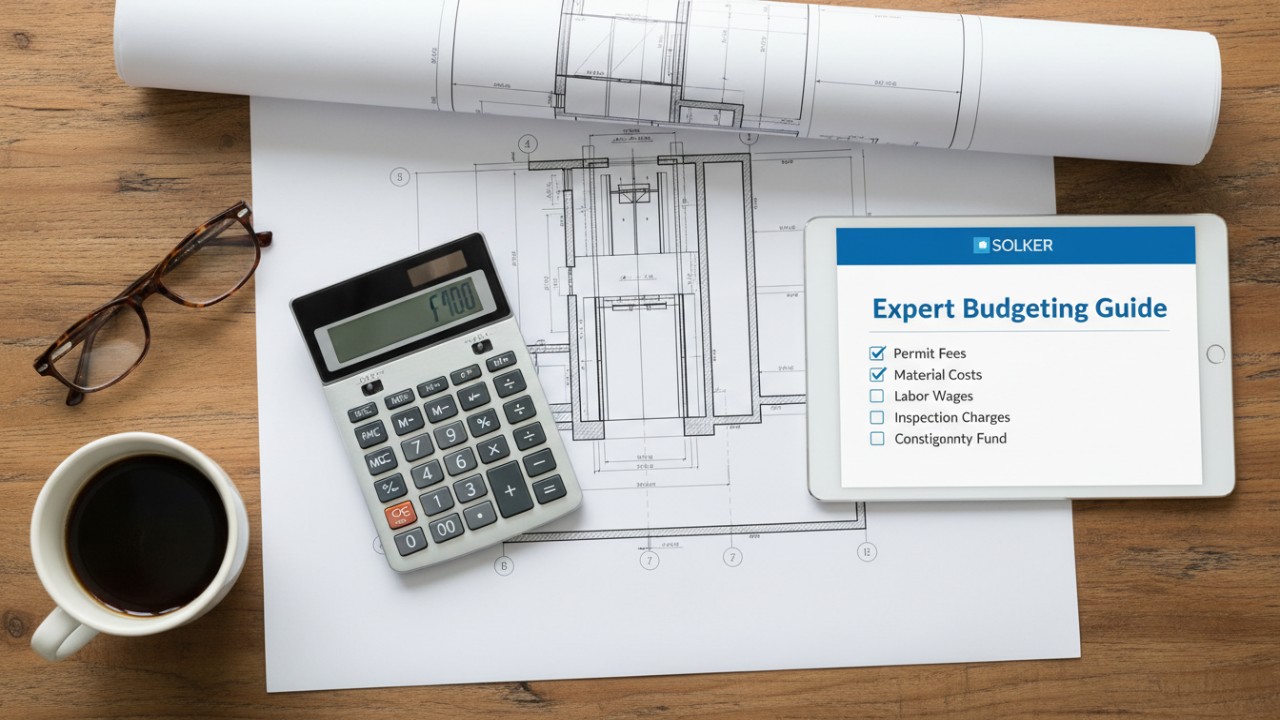
Homeowners frequently underestimate the footprint required for machine rooms and pits, or they overlook the long-term return on investment that a luxury lift provides, making it vital to avoid these budgeting pitfalls to enhance both accessibility and overall property value.
When planning your project, foresight is your best financial defense. According to a recent survey by AARP, 75% of adults aged 50 and older want to remain in their homes as they age, making aging in place modifications a critical priority. However, rushing the process can lead to costly errors:
- Ignoring Space Requirements: Failing to account for the necessary clearance for pits and overhead machinery often leads to expensive mid-project architectural redesigns.
- Choosing Price Over Purpose: Opting for a cheap stairlift when full wheelchair accessibility is required is a false economy. A proper cabin elevator is essential for long-term mobility.
- Overlooking ROI: Furthermore, data highlighted by Forbes Home emphasizes the importance of budgeting accurately for retrofitting. A high-end, aesthetically pleasing elevator can increase overall property value by up to 10 percent, offering a strong return on investment (ROI).
- Forgetting Aftercare: Neglecting to budget for annual maintenance contracts can void warranties and compromise passenger safety.
Industry Leading Solution: Luxury Villa Elevator Integration with SOLKER
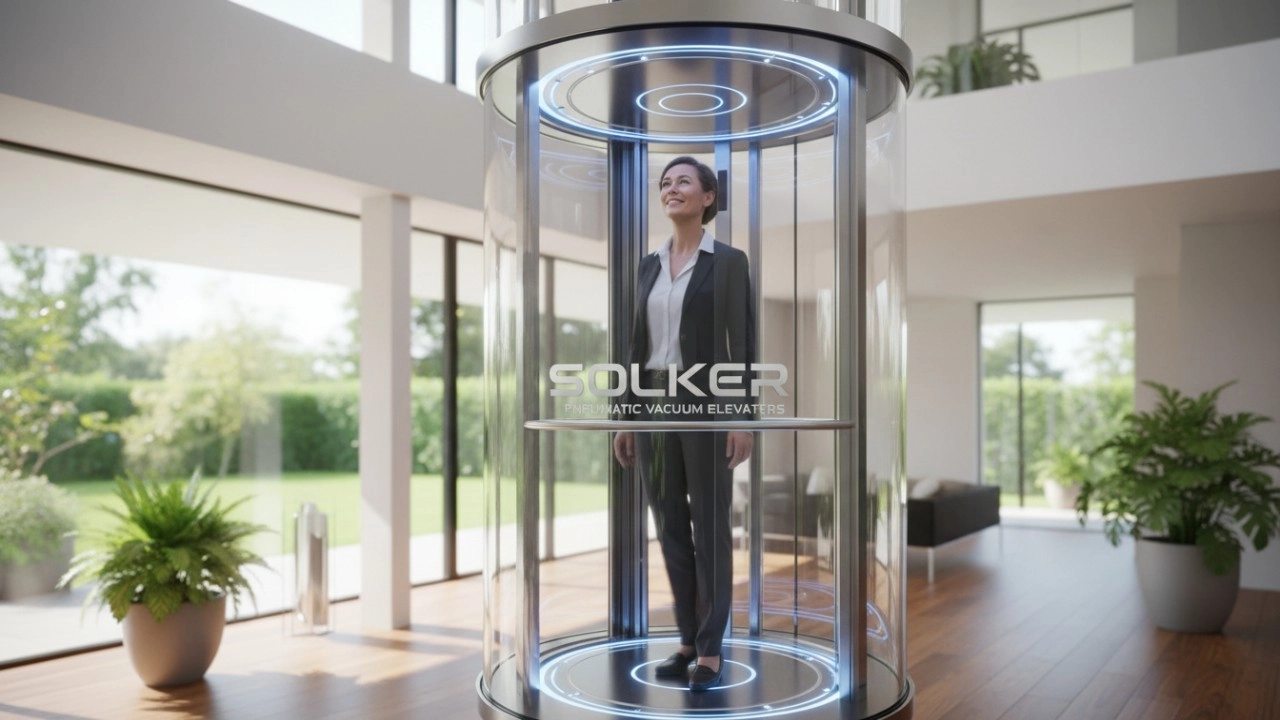
Dongguan SOLKER Elevator Technology Co., Ltd. provides premier vertical transportation solutions, specializing in bespoke luxury villa lift installation services that perfectly match your home decor while delivering safe, elegant, and space-saving custom elevators backed by over two decades of expertise.
As a high-end villa elevator brand, SOLKER understands that a home elevator should be a seamless extension of your living space rather than a clunky industrial add-on. Since our establishment, we have dedicated ourselves to the research, development, and manufacturing of premium residential lifts.
When you choose SOLKER, you are investing in a tailored experience. We offer private customization services that ensure your elevator perfectly matches your interior design vision. By focusing on innovative, space-saving engineering, SOLKER elevators actively reduce the hidden architectural costs typically associated with bulky traditional installations. Our vision is to be the world's top villa elevator manufacturer, and we achieve this by bringing comfortable, safe, and sophisticated vertical transportation to families around the globe.
Future Trends: What to Expect from 2026 Elevator Technologies
Elevator technologies in 2026 prioritize smart home integration, eco-friendly regenerative drives, and advanced pitless vs shaft elevator construction methods that drastically reduce installation times by minimizing messy structural changes while maximizing aesthetic customization and daily energy efficiency.
The residential elevator market is evolving rapidly. If you are installing a lift in 2026, you can take advantage of several cutting-edge innovations:
- Smart Home Integration: Modern models feature voice activation, smartphone diagnostics, and seamless blending with AI-driven home ecosystems for ultimate convenience.
- Eco-Friendly Drives: Advanced regenerative drives are capturing kinetic energy during descent, reducing overall energy consumption by up to 40 percent compared to legacy systems.
- Pitless Innovations: The market is shifting heavily toward advanced pitless technology, completely bypassing the need to excavate concrete foundations.
- Aesthetic Customization: Moving away from sterile, industrial looks, future lifts feature panoramic glass, bespoke lighting, and premium wood veneers as standard luxury options.
Conclusion
Installing a home elevator requires careful financial planning that accounts for base unit prices, hidden construction fees, and ongoing maintenance costs, and partnering with an experienced manufacturer ensures you select the optimal drive system to maximize your home’s long-term value.
By thoroughly evaluating your structural capabilities and choosing the right technology—whether a space-saving pneumatic tube or a robust hydraulic cab—you can mitigate unexpected architectural expenses. Remember to budget for the necessary permits, electrical upgrades, and annual service contracts to ensure your investment remains safe and functional for decades to come. If you are seeking a reliable, fully customizable luxury solution, trust the two decades of expertise provided by the SOLKER brand.
Contact Dongguan SOLKER Elevator Technology Co., Ltd. today at lin@solkerelevator.com to get an accurate quote and optimize your Home Elevator Installation Costs.
FAQs About Home Elevator Installation Costs
When planning your vertical mobility project, you likely have specific questions regarding property value increases, insurance coverage limitations, and construction timelines, so we have addressed the most frequently asked questions about a residential elevator price breakdown to help you make an informed decision.
Does a home elevator increase property value?
Yes, installing a high-quality residential elevator can increase your home's value by as much as 10%, making it highly attractive to older buyers or those looking for accessible luxury living.
Are home elevators covered by Medicare or insurance?
Standard Medicare does not typically cover the cost of a home elevator as it is considered a home modification rather than durable medical equipment, though some specialized Medicaid waivers or VA grants may offer assistance.
How much does it cost to maintain a home elevator annually?
Homeowners should expect to pay between $300 and $600 annually for routine maintenance contracts, which cover safety inspections, lubrication, and basic part adjustments.
What is the cheapest type of home elevator to install?
Shaftless elevators and basic through-the-floor cab models tend to be the most affordable, starting around $20,000, because they bypass the high construction costs of building a dedicated hoistway.
Do I need building permits to install a residential elevator?
Yes, almost all local municipalities require building and electrical permits to ensure the installation meets strict safety codes, which can add between $500 and $2,000 to the project.
How long does it take to install a home elevator?
The physical installation of the elevator unit usually takes 3 to 7 days, but the overall project, including architectural planning, permits, and shaft construction, can take several weeks.
What is the difference between a pitless elevator and a traditional shaft elevator?
A traditional shaft elevator requires digging a deep pit below the bottom floor and building a structural hoistway, whereas a pitless elevator rests directly on the existing floor, saving significant construction time and money.
How often do home elevators need to be inspected?
Safety experts and manufacturers recommend having a residential elevator inspected by a certified technician at least once a year to ensure cables, drives, and safety mechanisms are operating correctly.
Customize
How does the customization process work?
Our design team will guide you through the steps: style selection, material choice, and 3D visualization before confirmation.
Is customization available for both indoor and outdoor elevators?
Yes. All custom options apply to indoor and weatherproof outdoor models.
Can I customize the elevator to match my home style?
Absolutely. We offer multiple cabin styles, materials, and finishes to suit modern, classic, or minimalist interiors.
Product
How long is the production date required?
Under normal circumstances, the production time is 35 to 45 days.
How to install an elevator and what is the warranty?
We have overseas technicians who are at your service 24 hours a day, 365 days a year.
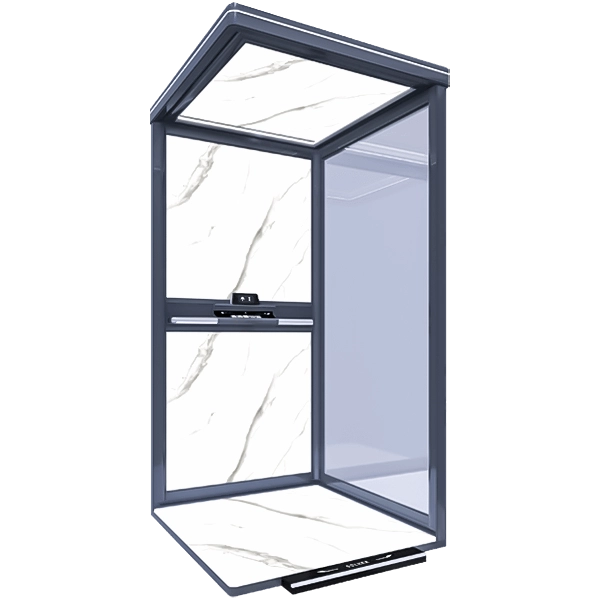
The Model-S is a home villa elevator in the Italian minimalist style. It features the most advanced elevator technology and has comprehensive safety protection measures. It is the most reliable guarantee for your passage in villa homes.
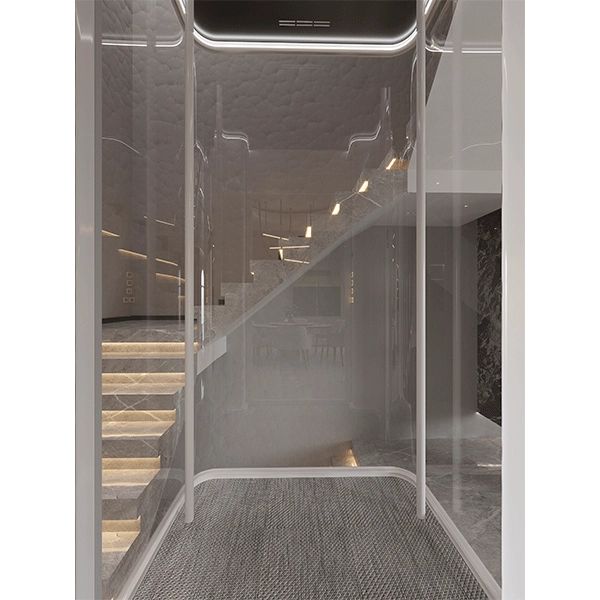
The Model-Mini is a home villa elevator in the Italian minimalist style. It features the most advanced elevator technology and has comprehensive safety protection measures. It is the most reliable guarantee for your passage in villa homes
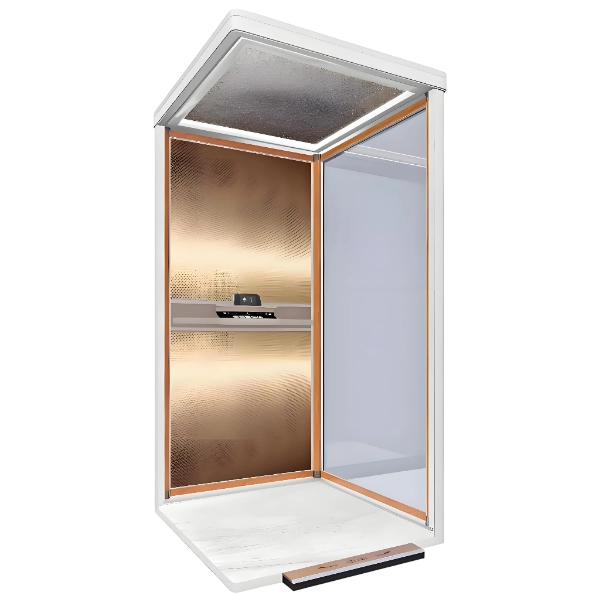
The Model A is a home villa elevator in the Italian minimalist style. It features the most advanced elevator technology and has comprehensive safety protection measures. It is the most reliable guarantee for your passage in villa homes.

The Model-Q is a home villa elevator in the Italian minimalist style. It features the most advanced elevator technology and has comprehensive safety protection measures. It is the most reliable guarantee for your passage in villa homes.
Looking for custom villa lifts manufacturing solutions?
We provide full-service OEM & ODM solutions—from concept to delivery.
Design, prototyping, production, and shipping—all in one place.
Fill out the form below for a free quote or consultation.
👉 Contact us today to start an exclusive customized partnership.
📦 Get product catalogs and wholesale prices.
🔧 Submit your design requirements for 1-to-1 exclusive matchmaking.
🌍 Become our global distribution partner.
Rest assured that your privacy is important to us, and all information provided will be handled with the utmost confidentiality.
Let's get in touch
Email: lin@solkerelevator.com
Tel: +86 133 1668 7566
Address: Floor 1, Building D, Nanxin Industry International, Nancheng District, Dongguan, China.
 Taiwan, China
 No. 21, Lane 38, 206 Yingtai Road, Yingge District, New Taipei City
 +886 0975-299-830
 United Arab Emirates
Capital Mall, Abu Dhabi, United Arab Emirates, 3rd floor, Luxera elevator +971 52 541 4685 Ceo@maharacare.com
 Melbourne, Australia
 19/12 Natalia Av, Oakleigh South, VIC 3167
+61 1300 771 86 sales@goldenhomelifts.com.au
Sydney, Australia
U28/323 Chisholm Road, Auburn, NSW 2144
+61 1300 771 86 sales@goldenhomelifts.com.au
SOLKER
SOLKER