


Hydraulic vs. Traction Elevators: Which is More Cost-Effective in 2026?
- What is the Difference Between Hydraulic and Traction Elevators?
- Quick Summary & Key Takeaways
- Initial Installation Costs: Upfront Investment Compared
- Long-Term Maintenance and Energy Consumption (The Real TCO)
- Expert Tips and Common Mistakes When Choosing an Elevator System
- SOLKER's Industry-Leading Solution: Cost-Effective Luxury for Villa Elevators
- Future Trends in 2026: Aesthetics, Safety, and Customization
- Conclusion
- FAQs About Hydraulic vs. Traction Elevators
- Which elevator type is cheaper to install initially?
- Do traction elevators consume less electricity than hydraulic ones?
- Are hydraulic elevators noisier than traction systems in homes?
- What is the lifespan of a residential traction elevator?
- Does a hydraulic elevator require a machine room?
- Which elevator system is safer for luxury villas?
- How often do hydraulic and traction elevators need maintenance?
- Can SOLKER customize both hydraulic and traction-style lift aesthetics?
What is the Difference Between Hydraulic and Traction Elevators?
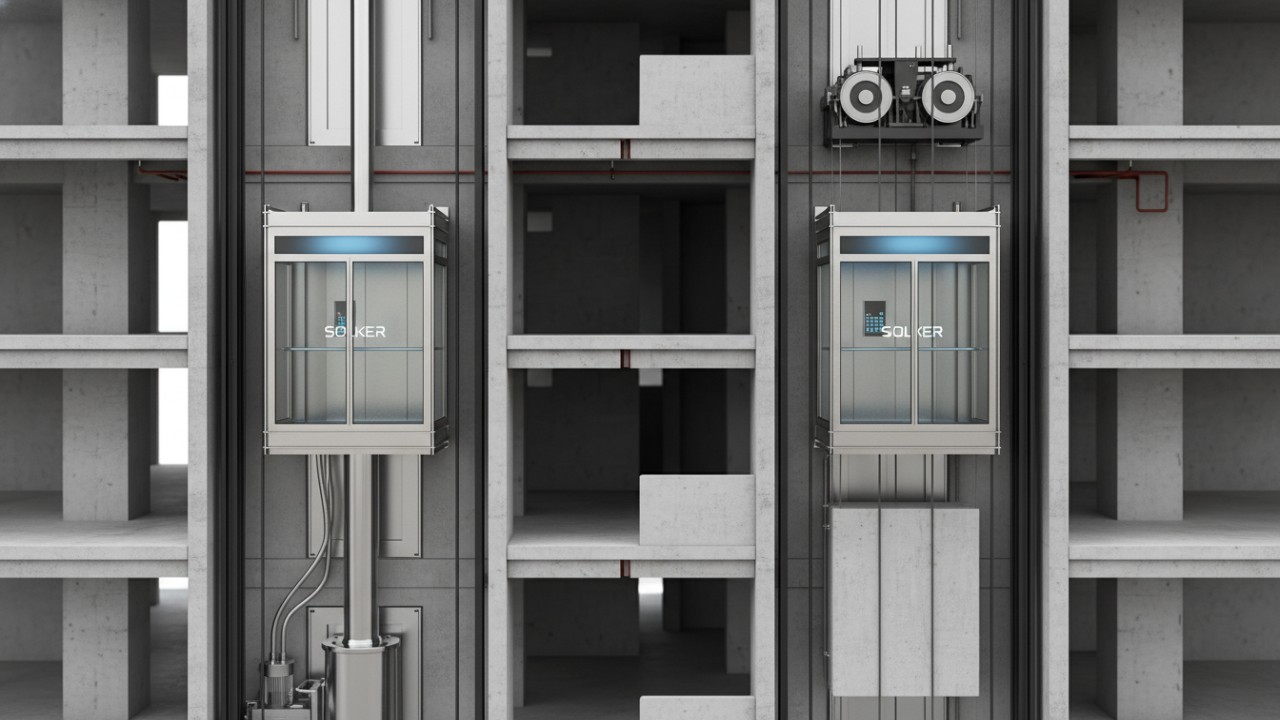
The primary difference between hydraulic and traction elevators lies in their distinct mechanical lifting designs, where hydraulic systems push the cab from below using pressurized fluid, while traction systems pull the cab from above using steel ropes, pulleys, and electric motors.
Understanding these core mechanics is the first step in determining which system is right for your property.
- Hydraulic Systems (The "Push" Mechanic): These elevators rely on an electronic pump that pushes hydraulic fluid into a cylinder. This action drives a piston that lifts the elevator cab. Because they do not require overhead hoisting machinery, they are highly favored for low-rise buildings and heavy load capacities.
- Traction Systems (The "Pull" Mechanic): Utilizing a geared or gearless electric motor, traction elevators move the cab using steel ropes or belts that pass over a wheel (sheave). A counterweight balances the load, making this system incredibly fast and energy-efficient, which is why it is the global standard for mid-to-high-rise structures.
Quick Summary & Key Takeaways
When evaluating hydraulic vs. traction elevators, the key takeaway is that hydraulic lifts offer significantly lower initial installation costs and require less overhead clearance, whereas traction elevators have higher upfront costs but deliver superior long-term cost-effectiveness through lower energy consumption.
- For luxury residential elevator systems and low-rise villa applications, evaluating the total cost of ownership elevators over a 15 to 20-year span is absolutely critical.
- Machine room-less (MRL) traction elevators have revolutionized the residential market, saving valuable floor space in modern homes by eliminating the need for a dedicated penthouse machine room.
- Hydraulic systems remain a highly viable contender for specific architectural constraints where deep pits or overhead clearance cannot be achieved easily.
Initial Installation Costs: Upfront Investment Compared
The upfront investment for elevator installation heavily favors hydraulic systems, which are historically cheaper to purchase and install due to simpler mechanics and the absence of complex overhead structural requirements.
- Average Initial Costs: Hydraulic elevators typically cost substantially less upfront than their traction counterparts. The absence of complex overhead hoisting machinery reduces both the equipment bill and the specialized labor required for installation.
- Analysis of Structural Modifications: Traction systems depend on a reinforced hoistway to support the weight of the cab, the counterweights, and the motor. This often requires specific structural reinforcements, driving up initial architectural and construction costs.
- Pit and Overhead Clearance: Architectural constraints in existing homes greatly affect the final installation bill. Hydraulic systems are often more forgiving with overhead clearance, making them ideal for retrofitting older homes. However, it is important to note that traditional hydraulic models do require space for a machine room on the lowest floor to house the pump and fluid reservoir.
| Feature / Metric | Hydraulic Elevators | Traction Elevators (MRL) |
|---|---|---|
| Upfront Installation Cost | Lower ($$$) | Higher ($$$$) |
| Energy Consumption | Higher (Requires pump to push) | Lower (Counterweight assisted) |
| Space Requirements | Needs machine room (mostly) | Machine Room-Less (MRL) |
| Ride Smoothness | Good | Excellent |
| Ideal Application | Low-rise, heavy-duty | Mid/High-rise, high-usage |
Long-Term Maintenance and Energy Consumption (The Real TCO)
The true financial impact of an elevator is found in its total cost of ownership elevators, where traction systems—specifically gearless MRL elevators—use up to 50% less energy than hydraulic pumps, making them significantly cheaper to operate over a 20-year lifecycle.
- Energy Efficiency: A critical factor in long-term expenses is the hydraulic home lift energy consumption. Because traction systems use a counterweight to balance the cab, the motor only needs to move the weight difference, drastically slashing electricity usage. However, recent life cycle assessment studies by Elevator World indicate that hydraulic elevators equipped with modern VVVF drives can achieve comparable energy efficiency in low-usage residential scenarios.
- Fluid Replacement and Environmental Costs: Hydraulic systems require periodic oil maintenance, leak prevention, and temperature control. This hidden cost of hydraulic oil maintenance adds heavily to the long-term villa elevator maintenance costs.
- Parts Wear and Tear: Maintenance profiles differ significantly. Traction systems require the periodic replacement of ropes and sheaves, while hydraulic systems require valve adjustments and seal replacements. According to a 2026 commercial lifecycle guide by Elevator Blueprint, the 25-year maintenance cost for traction systems can be higher due to complex proprietary parts, but the massive energy savings often offset this initial maintenance premium.
- Projected 2026 Energy Tariffs: With rising electricity rates globally, the 10-year operating cost heavily favors the high efficiency of Machine room-less (MRL) traction elevators for high-traffic homes.
For a deeper dive into how drive systems impact your budget, check out our comprehensive resource: Home Elevator Drive Systems & Pricing: The Complete 2026 Guide.
Expert Tips and Common Mistakes When Choosing an Elevator System
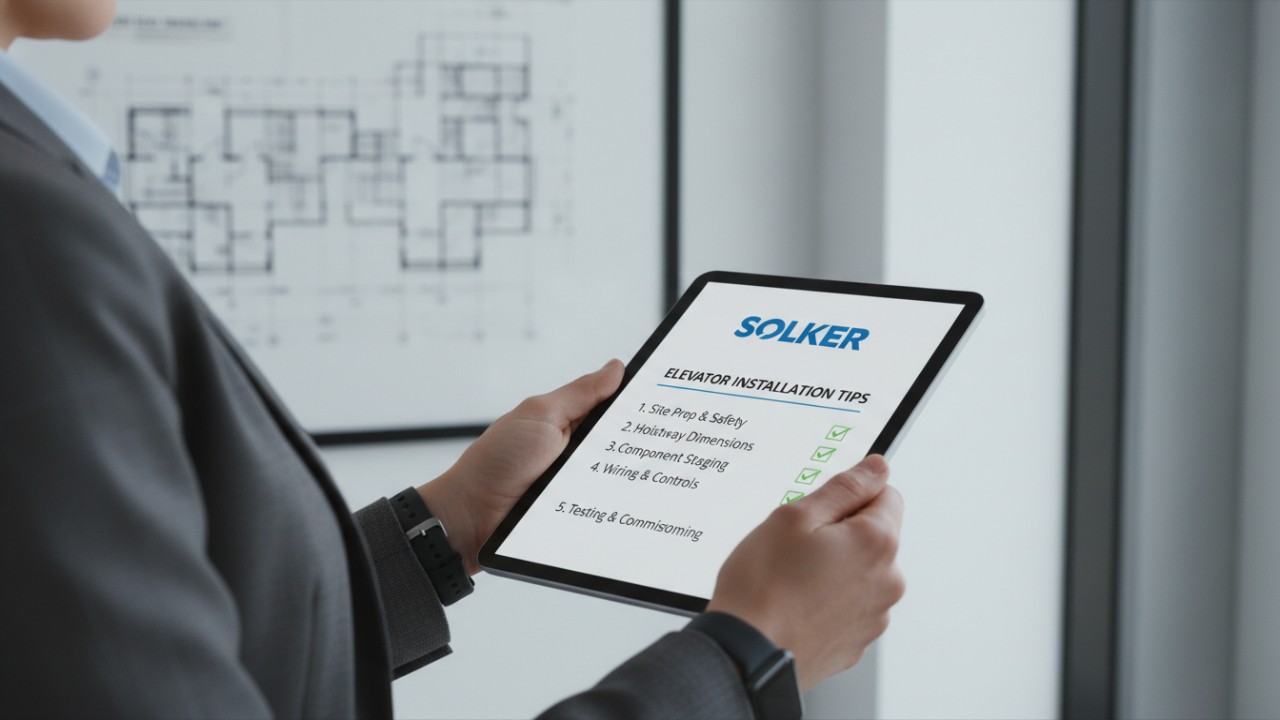
A common mistake when choosing an elevator system is focusing solely on the sticker price while ignoring 10-year energy consumption estimates, leading to unexpected operational costs that quickly drain residential budgets over time.
- Common Mistake: Only looking at the upfront price tag and ignoring the long-term total cost of ownership elevators, including energy and maintenance.
- Expert Tip: Always request a noise-level decibel rating if installing near bedrooms in a residential home. Traction systems generally offer quieter, smoother operation without the hum of a hydraulic pump.
- Common Mistake: Forgetting to account for the necessary HVAC requirements in the machine room of a traditional hydraulic lift, which can overheat without proper ventilation.
- Expert Tip: Verify your local residential building codes regarding hydraulic fluid environmental safety and containment pits, as strict 2026 regulations often apply to fluid leakage prevention.
SOLKER's Industry-Leading Solution: Cost-Effective Luxury for Villa Elevators
Dongguan SOLKER Elevator Technology Co., Ltd. provides optimized, cost-effective vertical transportation solutions tailored for high-end villas, seamlessly blending advanced mechanical efficiency with private custom designs that perfectly match your home decoration style.
- Decades of Experience: As a premier manufacturer of luxury residential elevator systems, SOLKER has won the trust and affection of users worldwide with over two decades of industry experience, outstanding quality, and innovative design.
- No Compromises: We eliminate the traditional "function vs. form" compromise. Whether you choose a highly efficient traction system or a heavy-duty hydraulic lift, our bespoke cabins are designed to elevate your interior aesthetics.
- Case Study Integration: In recent installations, a SOLKER luxury home elevator provided the smooth, quiet operation of commercial traction systems while maximizing the space-saving benefits required for a high-end residential villa, drastically reducing long-term villa elevator maintenance costs.
- Safety and Elegance: Our core vision is to become the world's top villa elevator manufacturer, dedicated to bringing comfortable, safe, and elegant vertical transport to every family.
Future Trends in 2026: Aesthetics, Safety, and Customization
The future of elevator technology in 2026 is driven by smart-monitoring systems, eco-friendly mechanics, and ultra-luxurious aesthetics that transform residential lifts into stunning architectural centerpieces rather than mere functional utilities.
- Smart-Monitoring Systems: AI-driven sensors now predict maintenance needs before breakdowns occur, drastically minimizing downtime and repair costs for both hydraulic and traction systems.
- Eco-Friendly Innovations: The industry is seeing a massive shift towards biodegradable hydraulic fluids and regenerative drives in traction systems that feed excess power back into the home's electrical grid.
- Modern Aesthetics: Panoramic glass cabs, frameless doors, and integrated smart lighting are becoming the standard for modern luxury villas, ensuring your investment enhances your property's overall value.
Conclusion
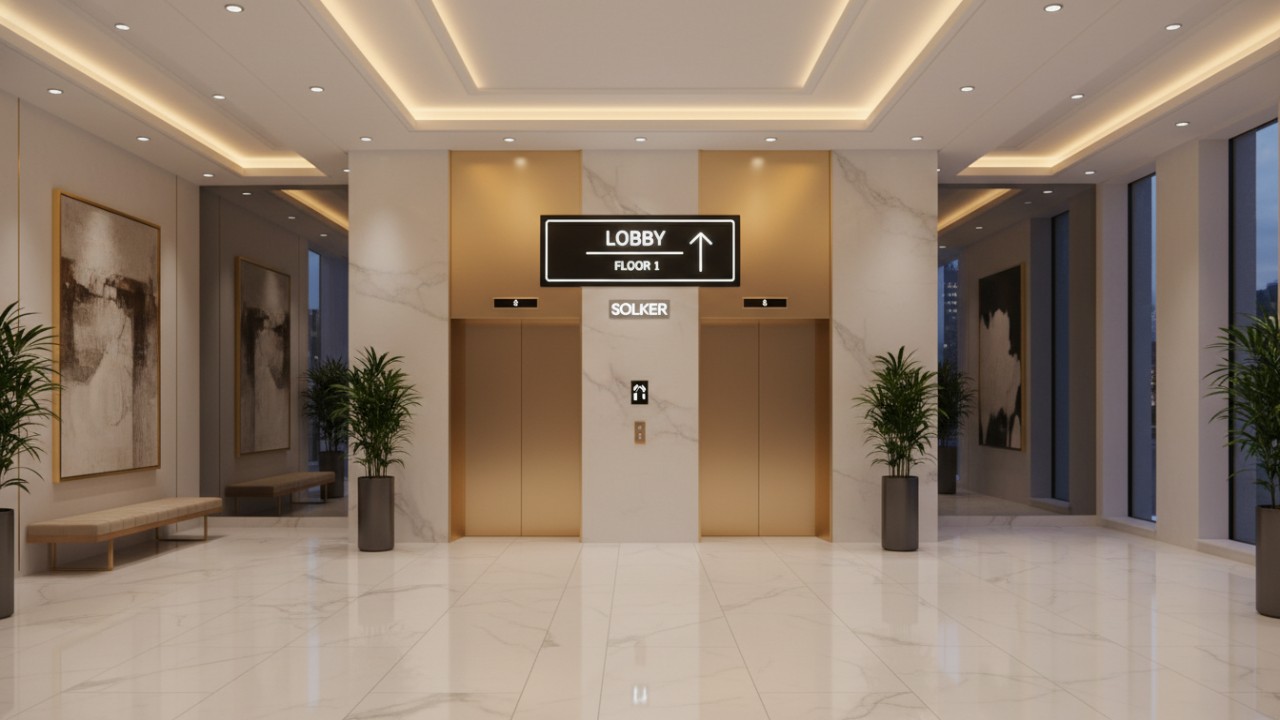
In summary, hydraulic elevators offer a budget-friendly upfront option for low-rise installations, while traction elevators provide greater long-term cost-effectiveness through superior energy efficiency and speed.
When investing in a luxury home elevator, prioritizing the total cost of ownership elevators, safety, and bespoke design ensures the best value for your property. By carefully evaluating your space constraints and usage needs, you can select a system that delivers both performance and elegance for decades to come. Ready to elevate your home? Contact SOLKER Elevator at lin@solkerelevator.com or visit https://www.solkerelevator.com to start designing your custom vertical transportation solution today.
Contact us today to optimize your Hydraulic vs. Traction Elevators strategy.
FAQs About Hydraulic vs. Traction Elevators
Which elevator type is cheaper to install initially?
Hydraulic elevators are generally cheaper to install upfront because their lifting mechanism is simpler and requires less structural support at the top of the hoistway.
Do traction elevators consume less electricity than hydraulic ones?
Yes. Traction elevators use a counterweight system that balances the load, meaning the motor only needs to overcome friction and the difference in weight, consuming significantly less electricity than hydraulic pumps.
Are hydraulic elevators noisier than traction systems in homes?
Traditional hydraulic elevators can be noisier due to the pump and motor operating to push hydraulic fluid. However, modern luxury home installations often include noise-dampening enclosures to mitigate this.
What is the lifespan of a residential traction elevator?
With proper maintenance, a residential traction elevator can last 20 to 25 years. The ropes and sheaves may need replacing during this time, but the core machinery is highly durable.
Does a hydraulic elevator require a machine room?
Traditional hydraulic elevators require a machine room on the lowest floor to house the pump and fluid reservoir. However, newer Holeless and MRL (Machine-Room-Less) hydraulic systems have minimized or eliminated this requirement.
Which elevator system is safer for luxury villas?
Both systems are incredibly safe and governed by strict manufacturing codes. Traction elevators use governors and safety brakes, while hydraulic elevators use rupture valves to prevent sudden drops.
How often do hydraulic and traction elevators need maintenance?
Both systems typically require professional maintenance at least 2 to 4 times a year to ensure safety standards, though hydraulic systems may require periodic oil changes and seal inspections.
Can SOLKER customize both hydraulic and traction-style lift aesthetics?
Yes, SOLKER Elevator specializes in high-end private customization, seamlessly integrating the mechanical system of your choice with luxurious cabin designs to match your home's unique interior decor.
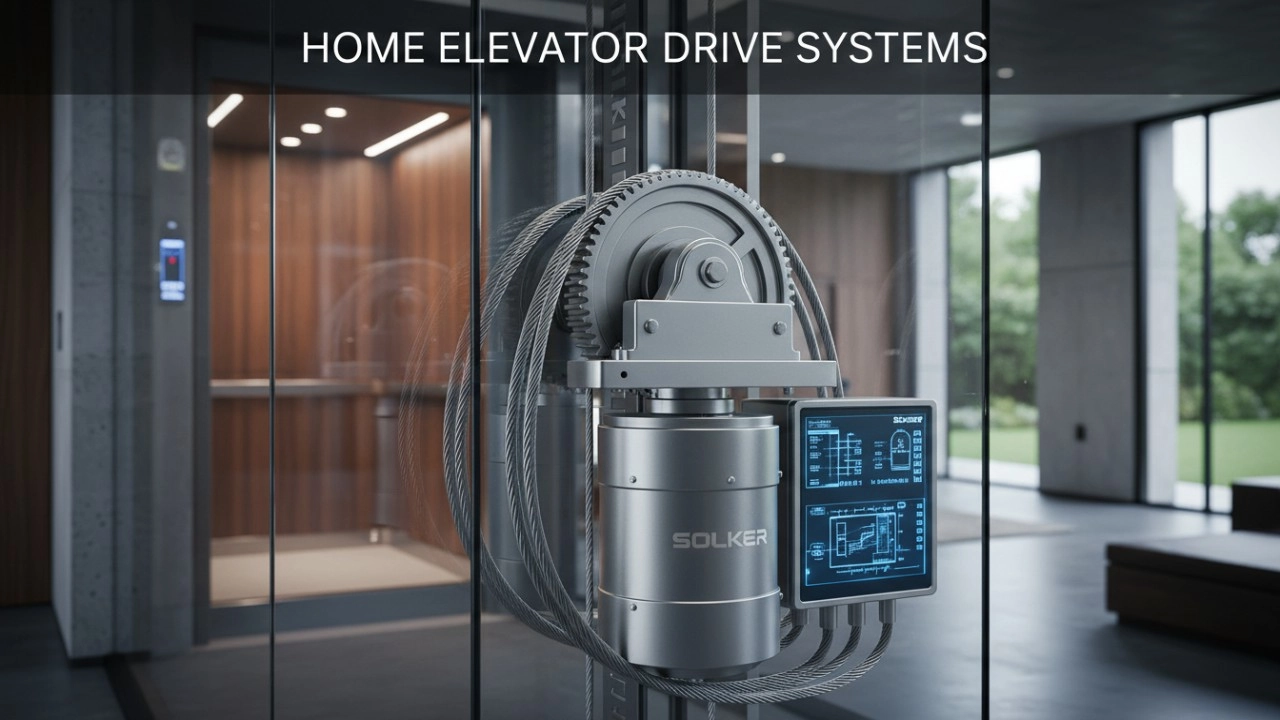

Customize
Can the elevator design be matched to my home's architecture?
Absolutely. Our designers tailor each cabin to complement your interior layout and style.
How does the customization process work?
Our design team will guide you through the steps: style selection, material choice, and 3D visualization before confirmation.
How long does a custom order take to deliver?
On average, production takes 30–45 days after confirmation, depending on your configuration.
Product
How long is the production date required?
Under normal circumstances, the production time is 35 to 45 days.
How to install an elevator and what is the warranty?
We have overseas technicians who are at your service 24 hours a day, 365 days a year.
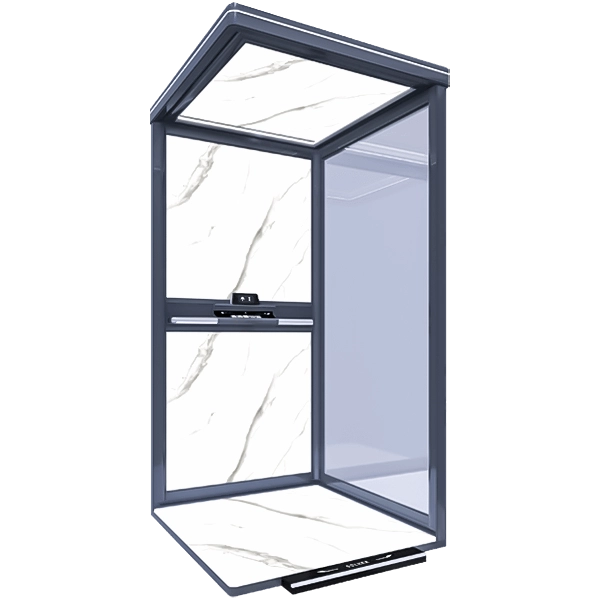
The Model-S is a home villa elevator in the Italian minimalist style. It features the most advanced elevator technology and has comprehensive safety protection measures. It is the most reliable guarantee for your passage in villa homes.
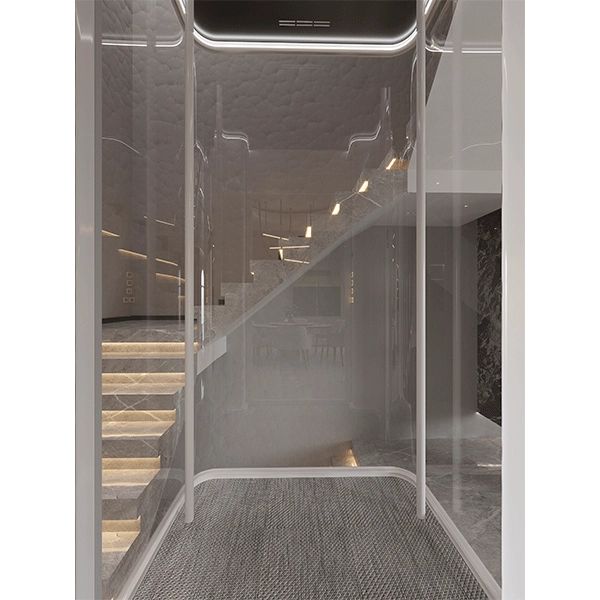
The Model-Mini is a home villa elevator in the Italian minimalist style. It features the most advanced elevator technology and has comprehensive safety protection measures. It is the most reliable guarantee for your passage in villa homes
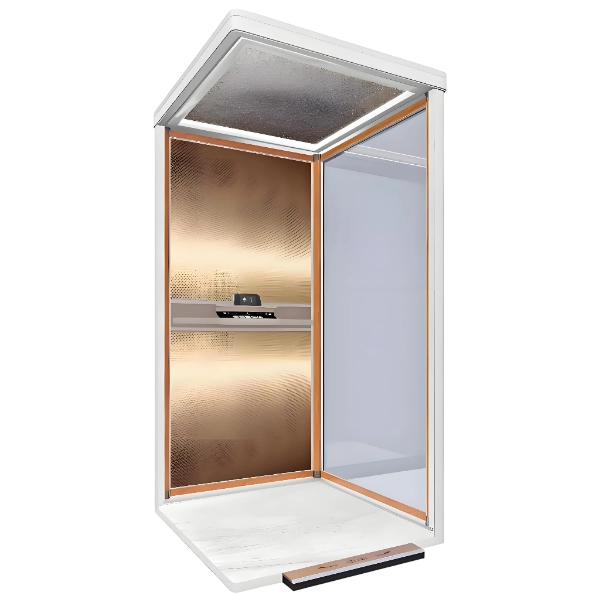
The Model A is a home villa elevator in the Italian minimalist style. It features the most advanced elevator technology and has comprehensive safety protection measures. It is the most reliable guarantee for your passage in villa homes.
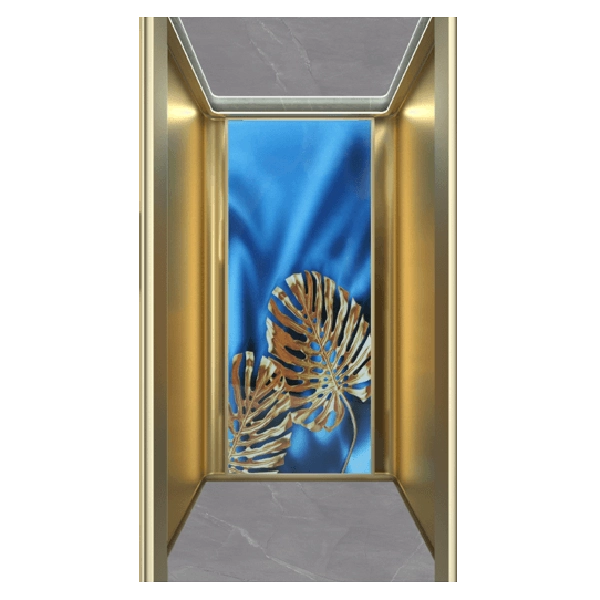
The Model-Q is a home villa elevator in the Italian minimalist style. It features the most advanced elevator technology and has comprehensive safety protection measures. It is the most reliable guarantee for your passage in villa homes.
Looking for custom villa lifts manufacturing solutions?
We provide full-service OEM & ODM solutions—from concept to delivery.
Design, prototyping, production, and shipping—all in one place.
Fill out the form below for a free quote or consultation.
👉 Contact us today to start an exclusive customized partnership.
📦 Get product catalogs and wholesale prices.
🔧 Submit your design requirements for 1-to-1 exclusive matchmaking.
🌍 Become our global distribution partner.
Rest assured that your privacy is important to us, and all information provided will be handled with the utmost confidentiality.
Let's get in touch
Email: lin@solkerelevator.com
Tel: +86 133 1668 7566
Address: Floor 1, Building D, Nanxin Industry International, Nancheng District, Dongguan, China.
 Taiwan, China
 No. 21, Lane 38, 206 Yingtai Road, Yingge District, New Taipei City
 +886 0975-299-830
 United Arab Emirates
Capital Mall, Abu Dhabi, United Arab Emirates, 3rd floor, Luxera elevator +971 52 541 4685 Ceo@maharacare.com
 Melbourne, Australia
 19/12 Natalia Av, Oakleigh South, VIC 3167
+61 1300 771 86 sales@goldenhomelifts.com.au
Sydney, Australia
U28/323 Chisholm Road, Auburn, NSW 2144
+61 1300 771 86 sales@goldenhomelifts.com.au
SOLKER
SOLKER