


What are common problems with home elevators?
- Common Home Elevator Problems and Solutions: A Comprehensive Guide
- 1. Elevator Won’t Respond to Calls or Buttons
- 2. Doors Won’t Open or Close Properly
- 3. Unusual Noises During Operation
- 4. Uneven Leveling or Stopping Between Floors
- 5. Slow or Sluggish Movement
- 6. Intermittent Fault Codes or Alarm Lights
- 7. Vibration or Shaky Ride
Common Home Elevator Problems and Solutions: A Comprehensive Guide
Home elevators offer unparalleled convenience and accessibility, enhancing the comfort of multi-story living. However, like any mechanical system, they can encounter issues over time. Understanding these common problems and their solutions is essential for maintaining a reliable and safe elevator system in your home.
1. Elevator Won’t Respond to Calls or Buttons
Problem:
The elevator fails to respond when floor buttons are pressed or when a call is made from a particular floor.
Solution:
Check Power Supply: Ensure the elevator is receiving power. A tripped circuit breaker or blown fuse can prevent operation. Reset the breaker or replace the fuse if necessary.
Inspect Control Panel: Faulty wiring or a malfunctioning control board can cause unresponsiveness. If resetting the system doesn't resolve the issue, consult a qualified technician for a thorough inspection.
2. Doors Won’t Open or Close Properly
Problem:
Elevator doors become jammed, misaligned, or fail to close completely, hindering normal operation.
Solution:
Clean Door Tracks: Debris such as dust or pet hair can obstruct door movement. Regularly clean the tracks to ensure smooth operation.
Check for Obstructions: Ensure there are no objects blocking the door's path.
Professional Adjustment: If cleaning doesn't resolve the issue, the door's alignment or sensor calibration may require professional adjustment.
3. Unusual Noises During Operation
Problem:
Hearing grinding, squeaking, or rattling noises when the elevator is in use.
Solution:
Lubricate Moving Parts: Lack of lubrication can cause friction between components, leading to noise. Apply manufacturer-approved lubricants to cables, tracks, and rollers.
Inspect for Wear: Worn or loose parts, such as bearings or gears, can also produce noise. Regular inspections can help identify and replace these components before they fail.
4. Uneven Leveling or Stopping Between Floors
Problem:
The elevator stops between floors or doesn't level correctly, making entry and exit difficult.
Solution:
Check for Obstructions: Ensure there are no objects blocking the elevator's path.
Sensor Calibration: Misaligned or faulty sensors can cause leveling issues. Professional calibration may be necessary to restore proper function.
5. Slow or Sluggish Movement
Problem:
The elevator operates at a slower speed than usual, indicating potential issues.
Solution:
Check for Obstructions: Ensure there are no objects blocking the elevator's path.
Inspect for Wear: Worn or loose parts, such as bearings or gears, can also produce noise. Regular inspections can help identify and replace these components before they fail.
6. Intermittent Fault Codes or Alarm Lights
Problem:
The elevator displays error codes or alarm lights, indicating a malfunction.
Solution:
Consult the Manual: Refer to the elevator's user manual to interpret specific error codes.
Reset the System: Sometimes, a simple reset can clear temporary faults.
Professional Diagnosis: Persistent error codes may require a technician to diagnose and repair underlying issues.
7. Vibration or Shaky Ride
Problem:
Experiencing excessive vibration or a shaky ride during operation.
Solution:
Check for Obstructions: Ensure there are no objects blocking the elevator's path.
Inspect for Wear: Worn or loose parts, such as bearings or gears, can also produce noise. Regular inspections can help identify and replace these components before they fail.
Preventive Maintenance Tips:
Regular Inspections: Schedule annual professional maintenance to identify and address potential issues early.
Keep Tracks Clean: Regularly clean door tracks and ensure the elevator's path is free from debris.
Lubricate Moving Parts: Apply manufacturer-approved lubricants to cables, tracks, and rollers to reduce friction and wear.
Monitor Weight Limits: Avoid exceeding the elevator's weight capacity to prevent undue strain on components.
When to Seek Professional Help:
If troubleshooting steps do not resolve the issue, or if you encounter complex problems such as electrical faults or hydraulic system malfunctions, it's crucial to consult a certified elevator technician. Attempting repairs without proper expertise can pose safety risks and may void warranties.
About SOLKER Home Elevators:
SOLKER is a leading provider of residential elevators, offering innovative solutions designed for safety, reliability, and comfort. With a commitment to quality and customer satisfaction, SOLKER ensures that each elevator system is tailored to meet the unique needs of homeowners.
Conclusion:
Understanding common home elevator problems and their solutions empowers homeowners to maintain a safe and efficient elevator system. Regular maintenance, prompt attention to issues, and professional assistance when needed will ensure your elevator continues to serve you reliably for years to come.

![How an Elevator for Home Can Increase Your Property Value by 10% [2026 Case Study] - SOLKER](https://static.gooecloud.com/upload/img/GY076088693142/how-an-elevator-for-home-can-increase-your-property-value-by-10-2026-case-study.png?x-oss-process=image/format,webp/quality,Q_100 "How-an-Elevator-for-Home-Can-Increase-Your-Property-Value-by-10%-[2026-Case-Study] - SOLKER")

Customize
How does the customization process work?
Our design team will guide you through the steps: style selection, material choice, and 3D visualization before confirmation.
Can the elevator design be matched to my home's architecture?
Absolutely. Our designers tailor each cabin to complement your interior layout and style.
Is customization available for both indoor and outdoor elevators?
Yes. All custom options apply to indoor and weatherproof outdoor models.
How long does a custom order take to deliver?
On average, production takes 30–45 days after confirmation, depending on your configuration.
Product
How to install an elevator and what is the warranty?
We have overseas technicians who are at your service 24 hours a day, 365 days a year.
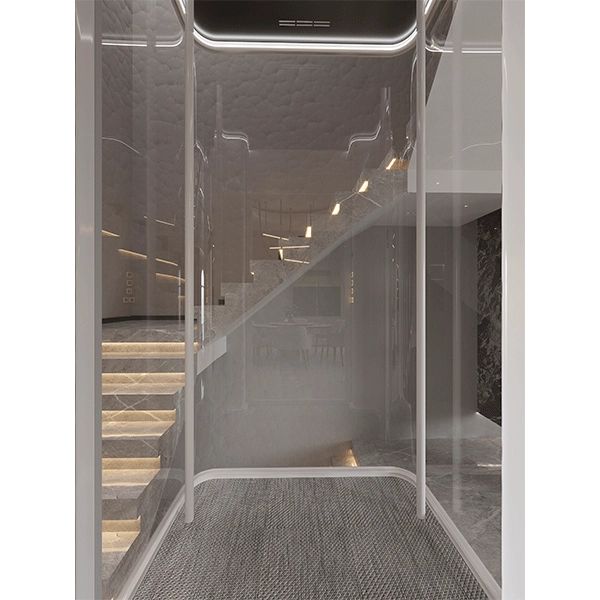
The Model-Mini is a home villa elevator in the Italian minimalist style. It features the most advanced elevator technology and has comprehensive safety protection measures. It is the most reliable guarantee for your passage in villa homes
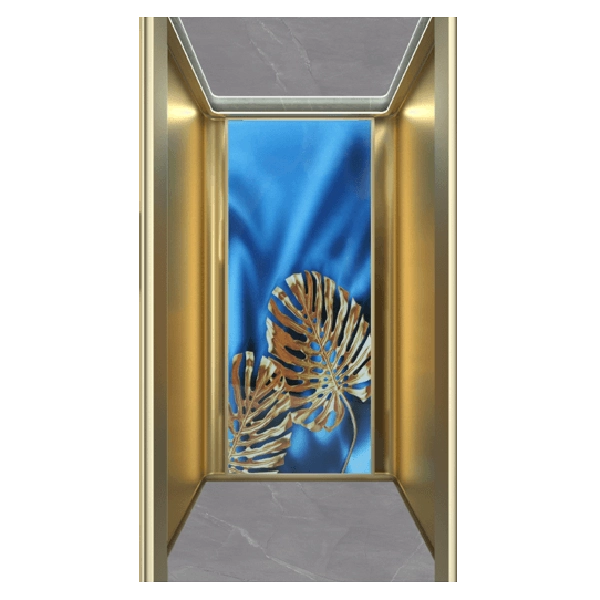
The Model-Q is a home villa elevator in the Italian minimalist style. It features the most advanced elevator technology and has comprehensive safety protection measures. It is the most reliable guarantee for your passage in villa homes.
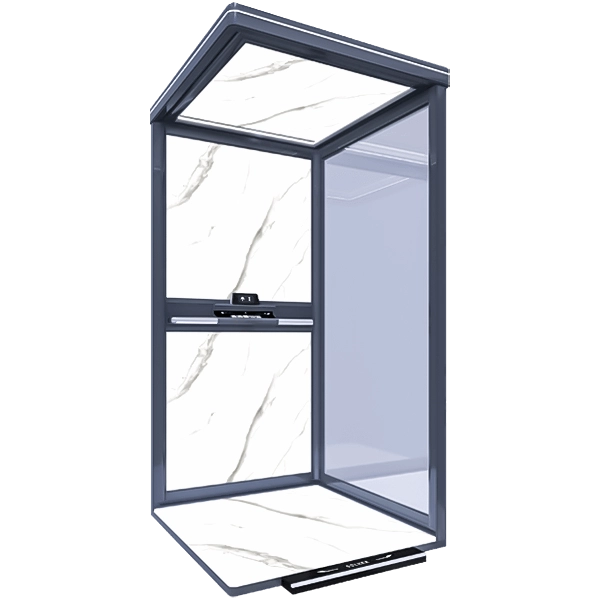
The Model-S is a home villa elevator in the Italian minimalist style. It features the most advanced elevator technology and has comprehensive safety protection measures. It is the most reliable guarantee for your passage in villa homes.
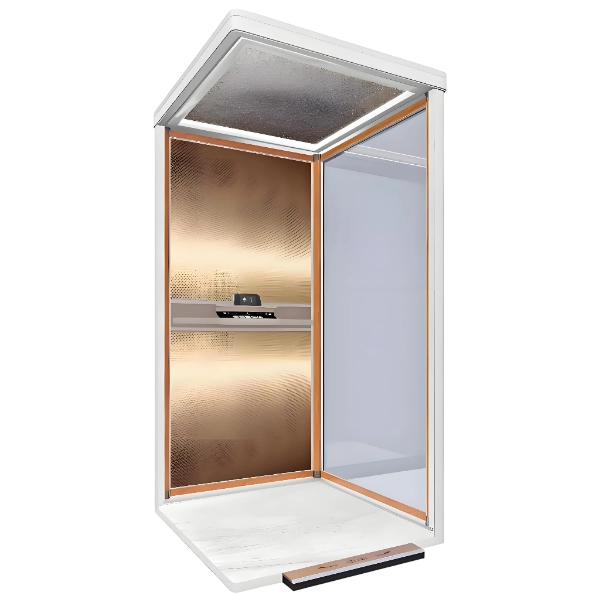
The Model A is a home villa elevator in the Italian minimalist style. It features the most advanced elevator technology and has comprehensive safety protection measures. It is the most reliable guarantee for your passage in villa homes.
Looking for custom villa lifts manufacturing solutions?
We provide full-service OEM & ODM solutions—from concept to delivery.
Design, prototyping, production, and shipping—all in one place.
Fill out the form below for a free quote or consultation.
👉 Contact us today to start an exclusive customized partnership.
📦 Get product catalogs and wholesale prices.
🔧 Submit your design requirements for 1-to-1 exclusive matchmaking.
🌍 Become our global distribution partner.
Rest assured that your privacy is important to us, and all information provided will be handled with the utmost confidentiality.
Let's get in touch
Email: lin@solkerelevator.com
Tel: +86 133 1668 7566
Address: Floor 1, Building D, Nanxin Industry International, Nancheng District, Dongguan, China.
 Taiwan, China
 No. 21, Lane 38, 206 Yingtai Road, Yingge District, New Taipei City
 +886 0975-299-830
 United Arab Emirates
Capital Mall, Abu Dhabi, United Arab Emirates, 3rd floor, Luxera elevator +971 52 541 4685 Ceo@maharacare.com
 Melbourne, Australia
 19/12 Natalia Av, Oakleigh South, VIC 3167
+61 1300 771 86 sales@goldenhomelifts.com.au
Sydney, Australia
U28/323 Chisholm Road, Auburn, NSW 2144
+61 1300 771 86 sales@goldenhomelifts.com.au
SOLKER
SOLKER