


What emergency procedures exist for trapped passengers?
- Key Considerations for Purchasing a Home Elevator
- 1. What Are the Different Types of Home Elevators?
- 2. What Is the Average Cost of Installing a Home Elevator?
- 3. What Are the Installation Requirements for a Home Elevator?
- 4. How Do Supply Chain Challenges Affect Home Elevator Availability?
- 5. What Are the Maintenance Requirements for Home Elevators?
- 6. Who Are the Leading Manufacturers of Home Elevators?
- 7. What Emergency Procedures Exist for Trapped Passengers?
- 8. How Can I Ensure My Home Elevator Meets Safety Standards?
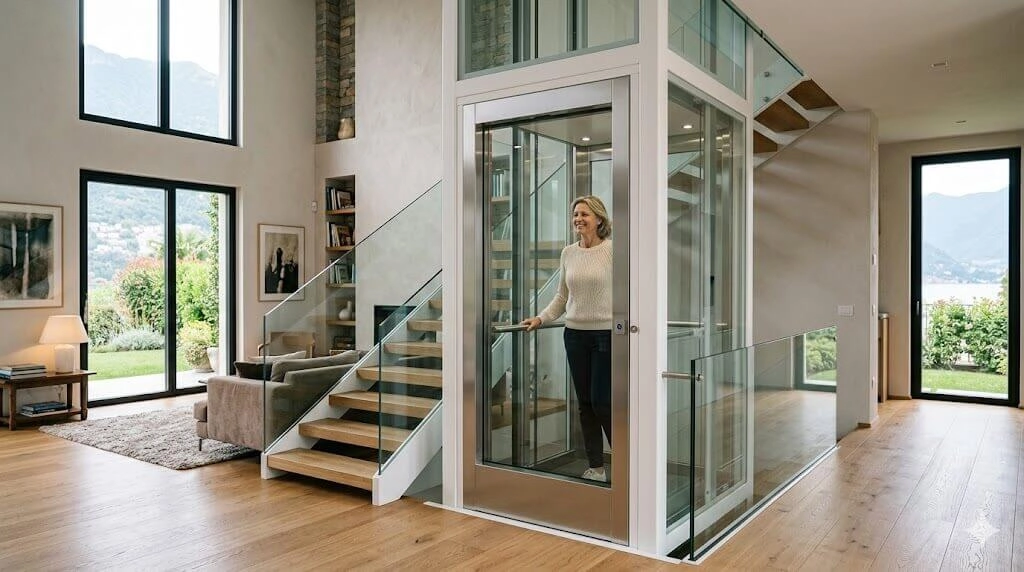
Home elevators are becoming increasingly popular in luxury residences, offering enhanced accessibility and convenience. When considering the addition of a home elevator, it's crucial to address several key aspects to ensure safety, functionality, and value.
Key Considerations for Purchasing a Home Elevator
1. What Are the Different Types of Home Elevators?
Home elevators primarily fall into three categories:
Hydraulic Elevators: Utilize a piston to move the elevator car, suitable for low-rise buildings.
Traction Elevators: Employ a counterweight system, ideal for mid to high-rise buildings.
Pneumatic Elevators: Operate using air pressure, requiring minimal structural modifications, making them suitable for retrofitting existing homes.
Each type has distinct advantages, and the choice depends on factors like building height, space availability, and budget.
2. What Is the Average Cost of Installing a Home Elevator?
The cost of installing a home elevator varies based on type, capacity, design, and installation complexity. On average, homeowners can expect to invest between $30,000 and $50,000 for a standard installation. It's essential to consider additional expenses such as structural modifications, electrical work, and potential maintenance costs.
3. What Are the Installation Requirements for a Home Elevator?
Installation requirements depend on the elevator type:
Hydraulic and Traction Elevators: Typically require a machine room and a pit.
Pneumatic Elevators: Require minimal structural modifications, making them suitable for retrofitting existing homes.
It's crucial to conduct a professional site survey to assess structural support, space availability, and compliance with local building codes.
4. How Do Supply Chain Challenges Affect Home Elevator Availability?
Supply chain disruptions, such as material shortages and production delays, can impact the availability and lead times of home elevators. For instance, fluctuations in steel prices have surged by over 30% since early 2021 due to disruptions in mining exports and rising global demand. Homeowners should plan ahead and consult with manufacturers about potential delays.
5. What Are the Maintenance Requirements for Home Elevators?
Regular maintenance is essential to ensure the longevity and safe operation of your home elevator. Maintenance requirements include:
Routine Inspections: Regular checks to identify and address potential issues.
Lubrication: Ensuring moving parts are properly lubricated to reduce wear and tear.
Safety Checks: Verifying that all safety features are functioning correctly.
Cleaning: Keeping the elevator clean to prevent debris buildup that could affect performance.
Establishing a maintenance schedule with a qualified technician is recommended to keep the elevator in optimal condition.
6. Who Are the Leading Manufacturers of Home Elevators?
Several reputable manufacturers specialize in home elevators, offering a range of options to suit different needs:
Otis Elevator Company: Known for advanced technology and design flexibility, catering to luxury residential projects.
KONE Corporation: Offers a wide range of products with a focus on innovation and sustainability.
Schindler Group: Provides high-quality elevators with a focus on safety and comfort.
Mitsubishi Electric Corporation: Renowned for integrating smart technology and energy-efficient solutions.
Hitachi Ltd.: Offers high-quality home elevators with a focus on durability and performance.
When selecting a manufacturer, consider factors such as product quality, customization options, after-sales service, and warranty terms.
7. What Emergency Procedures Exist for Trapped Passengers?
In the event of a passenger becoming trapped in a home elevator, it's crucial to follow established emergency procedures to ensure safety:
Stay Calm: Encourage the trapped individual to remain calm and avoid panicking.
Use the Emergency Communication System: Most elevators are equipped with an emergency communication system, such as an intercom or phone, to contact emergency services or the building's security personnel.
Do Not Attempt to Open the Doors: Avoid trying to open the elevator doors or force the car to move, as this can cause further complications.
Contact Emergency Services: If the elevator is not equipped with a direct communication system, call emergency services immediately.
Wait for Professional Assistance: Allow trained professionals to handle the situation to ensure the safe release of the trapped individual.
Regular maintenance and safety checks can help prevent such incidents.
8. How Can I Ensure My Home Elevator Meets Safety Standards?
To ensure your home elevator meets safety standards:
Choose a Reputable Manufacturer: Select a manufacturer known for adhering to international safety standards and regulations.
Verify Compliance: Ensure the elevator complies with local building codes and safety regulations.
Regular Maintenance: Schedule routine inspections and maintenance with qualified technicians to keep the elevator in optimal condition.
Educate Users: Inform all household members about the proper use of the elevator and emergency procedures.
By addressing these considerations, homeowners can make informed decisions when purchasing a home elevator, ensuring safety, functionality, and long-term value.
SOLKER Elevator stands out in the industry by offering:
Customized Solutions: Tailored elevator designs to fit your specific requirements.
Advanced Technology: Integration of smart features for enhanced user experience.
Energy Efficiency: Commitment to providing eco-friendly and energy-saving elevator options.
Comprehensive Support: Dedicated after-sales service and maintenance to ensure long-term satisfaction.
By choosing SOLKER, you invest in a reliable and luxurious addition to your home that combines functionality with elegance.
References:
Villa Elevator Buying Guide | Choose the Best Home Elevator - Fujita Machine Technology Co., Ltd.
Villa Elevator Buying Guide: Cost, Installation, Maintenance, and Top Manufacturers - SOLKER Elevator.
Tips for Buying a Villa Lift | SOLKER Villa Elevator Guide - SOLKER Elevator.
Villa Elevator Buying Guide | Tips & Checklist from SOLKER - SOLKER Elevator.
Tips to Buy a Home Villa Elevator | SOLKER Guidance - SOLKER Elevator.
Top 10 Villa Elevator Brands & Suppliers | SOLKER Elevator - SOLKER Elevator.
Villa Elevator Market Size & Share 2025-2032 - 360iResearch.

![How an Elevator for Home Can Increase Your Property Value by 10% [2026 Case Study] - SOLKER](https://static.gooecloud.com/upload/img/GY076088693142/how-an-elevator-for-home-can-increase-your-property-value-by-10-2026-case-study.png?x-oss-process=image/format,webp/quality,Q_100 "How-an-Elevator-for-Home-Can-Increase-Your-Property-Value-by-10%-[2026-Case-Study] - SOLKER")

Customize
Can the elevator design be matched to my home's architecture?
Absolutely. Our designers tailor each cabin to complement your interior layout and style.
How does the customization process work?
Our design team will guide you through the steps: style selection, material choice, and 3D visualization before confirmation.
Can I choose specific materials or colors for the cabin?
Yes. We offer a wide range of premium materials and finishes — from stone to wood to glass.
Do I need architectural drawings to start customization?
Not required initially. We can start with basic dimensions or photos and assist with full planning.
Product
How long is the production date required?
Under normal circumstances, the production time is 35 to 45 days.
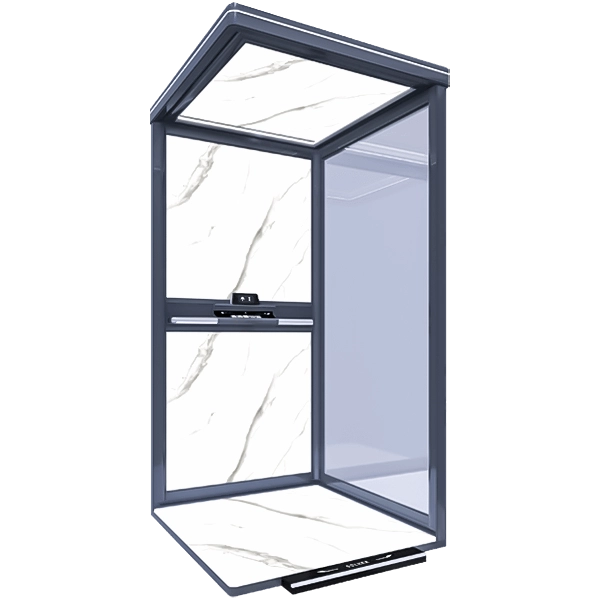
The Model-S is a home villa elevator in the Italian minimalist style. It features the most advanced elevator technology and has comprehensive safety protection measures. It is the most reliable guarantee for your passage in villa homes.
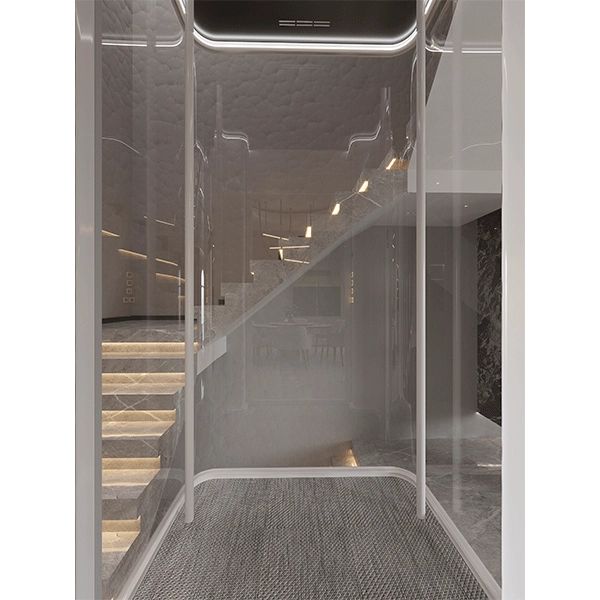
The Model-Mini is a home villa elevator in the Italian minimalist style. It features the most advanced elevator technology and has comprehensive safety protection measures. It is the most reliable guarantee for your passage in villa homes

The Model-Q is a home villa elevator in the Italian minimalist style. It features the most advanced elevator technology and has comprehensive safety protection measures. It is the most reliable guarantee for your passage in villa homes.
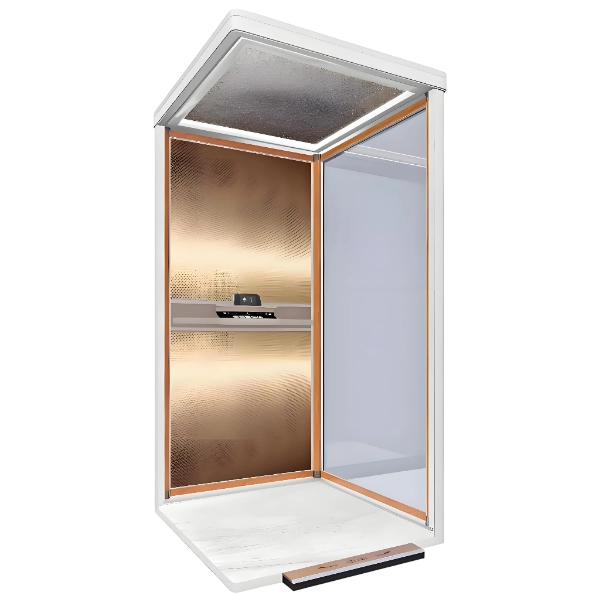
The Model A is a home villa elevator in the Italian minimalist style. It features the most advanced elevator technology and has comprehensive safety protection measures. It is the most reliable guarantee for your passage in villa homes.
Looking for custom villa lifts manufacturing solutions?
We provide full-service OEM & ODM solutions—from concept to delivery.
Design, prototyping, production, and shipping—all in one place.
Fill out the form below for a free quote or consultation.
👉 Contact us today to start an exclusive customized partnership.
📦 Get product catalogs and wholesale prices.
🔧 Submit your design requirements for 1-to-1 exclusive matchmaking.
🌍 Become our global distribution partner.
Rest assured that your privacy is important to us, and all information provided will be handled with the utmost confidentiality.
Let's get in touch
Email: lin@solkerelevator.com
Tel: +86 133 1668 7566
Address: Floor 1, Building D, Nanxin Industry International, Nancheng District, Dongguan, China.
 Taiwan, China
 No. 21, Lane 38, 206 Yingtai Road, Yingge District, New Taipei City
 +886 0975-299-830
 United Arab Emirates
Capital Mall, Abu Dhabi, United Arab Emirates, 3rd floor, Luxera elevator +971 52 541 4685 Ceo@maharacare.com
 Melbourne, Australia
 19/12 Natalia Av, Oakleigh South, VIC 3167
+61 1300 771 86 sales@goldenhomelifts.com.au
Sydney, Australia
U28/323 Chisholm Road, Auburn, NSW 2144
+61 1300 771 86 sales@goldenhomelifts.com.au
SOLKER
SOLKER