


What safety codes apply to residential elevators?
- Understanding Home Elevator Safety Codes
- 1. What are the primary safety codes for residential elevators?
- 2. Are there specific codes for residential elevators?
- 3. What does the ASME A17.1/CSA B44 code entail for residential elevators?
- 4. How does the Americans with Disabilities Act (ADA) affect residential elevator design?
- 5. Are there local or state-specific regulations for residential elevators?
- 6. What are the key safety features required in residential elevators?
- 7. How often should a residential elevator be inspected and maintained?
- 8. What are the consequences of non-compliance with elevator safety codes?
- 9. How can SOLKER ensure my villa elevator meets all safety standards?
When considering the installation of a home elevator, understanding the applicable safety codes and standards is crucial to ensure the safety and compliance of your residential elevator. Below are some of the most frequently asked questions regarding home elevator safety codes:
Understanding Home Elevator Safety Codes
1. What are the primary safety codes for residential elevators?
The primary safety code for residential elevators in the United States is the ASME A17.1/CSA B44 – Safety Code for Elevators and Escalators. This code outlines the design, construction, installation, and maintenance requirements for elevators, including those in private residences. It's essential to ensure that any elevator installed in your home complies with the latest version of this code to guarantee safety and reliability.
2. Are there specific codes for residential elevators?
Yes, residential elevators are subject to specific codes. The ASME A17.1/CSA B44 – Section 5.3 is the industry standard set forth for private residence elevators. This standard has been adopted by most states to become the local code. It's important to note that not all states have adopted the same year of the A17.1 standard, and some states have not adopted any version. Therefore, it's crucial to verify the specific requirements in your state or municipality.
3. What does the ASME A17.1/CSA B44 code entail for residential elevators?
The ASME A17.1/CSA B44 code provides comprehensive guidelines for residential elevators, including:
Design and Construction: Specifications for materials, structural integrity, and safety features.
Installation: Procedures to ensure proper setup and functionality.
Maintenance: Requirements for regular inspections and upkeep to maintain safety standards.
Adhering to this code ensures that residential elevators are safe, reliable, and accessible.
4. How does the Americans with Disabilities Act (ADA) affect residential elevator design?
The ADA sets forth accessibility standards that can influence residential elevator design, especially for homeowners who wish to accommodate individuals with disabilities. While the ADA primarily applies to public and commercial buildings, its principles can guide the design of residential elevators to ensure they are accessible to all users. This includes considerations such as door width, control panel height, and interior space to accommodate wheelchairs and other mobility devices.
5. Are there local or state-specific regulations for residential elevators?
Yes, local and state regulations can impose additional requirements beyond the national codes. For instance, the Missouri Division of Fire Safety requires that new installations or alterations of elevators be reviewed and approved, and that annual safety inspections be conducted by a state-licensed elevator inspector. Similarly, Minnesota's elevator code consists of the ASME A17.1-2016 standard, with amendments specific to the state. It's essential to consult with local authorities or a certified elevator professional to ensure compliance with all applicable regulations in your area.
6. What are the key safety features required in residential elevators?
Residential elevators must include several safety features to protect users, such as:
Safety Brakes: To prevent uncontrolled descents.
Emergency Stop Buttons: Allow users to halt the elevator in case of an emergency.
Handrails: Provide support and stability for users.
Door Interlocks: Prevent doors from opening unless the elevator is at a designated floor.
Emergency Communication Systems: Enable users to communicate with emergency services if needed.
Ensuring these features are present and functional is vital for the safety of all users.
7. How often should a residential elevator be inspected and maintained?
Regular inspection and maintenance are crucial to ensure the safe operation of residential elevators. It's recommended to have professional inspections at least once a year, with monthly checks by homeowners for visible wear and tear. Regular maintenance helps identify and address potential issues before they become serious problems, ensuring the elevator remains in optimal working condition.
8. What are the consequences of non-compliance with elevator safety codes?
Non-compliance with elevator safety codes can lead to various consequences, including:
Legal Penalties: Fines or other sanctions imposed by local or state authorities.
Insurance Issues: Potential difficulties in obtaining or maintaining insurance coverage.
Safety Risks: Increased likelihood of accidents or malfunctions, potentially leading to injury or death.
To avoid these issues, it's essential to ensure that your residential elevator complies with all applicable safety codes and regulations.
9. How can SOLKER ensure my villa elevator meets all safety standards?
SOLKER specializes in providing premium, customizable villa elevators that adhere to the highest safety and accessibility standards. By choosing SOLKER, you can be confident that your elevator will be designed, installed, and maintained in compliance with all relevant codes and regulations, ensuring the safety and comfort of all users. ((https://www.solkerelevator.com/best-home-elevator-safety-accessibility.html))
In conclusion, understanding and adhering to the relevant safety codes and standards is essential when installing a residential elevator. By ensuring compliance, you can provide a safe and reliable means of vertical transportation in your home.
For more information or to explore SOLKER's villa elevator solutions, please visit our website.
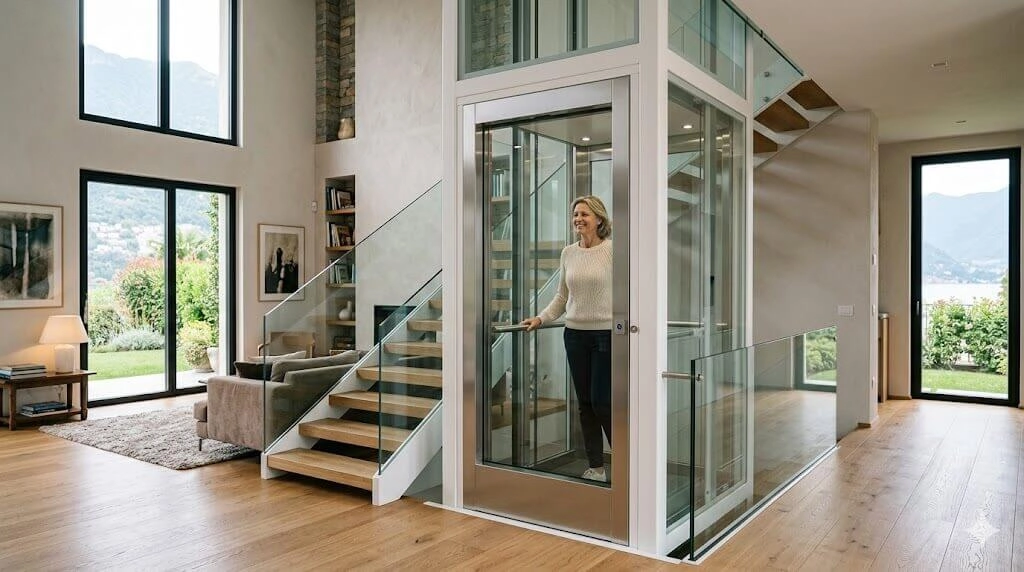

![How an Elevator for Home Can Increase Your Property Value by 10% [2026 Case Study] - SOLKER](https://static.gooecloud.com/upload/img/GY076088693142/how-an-elevator-for-home-can-increase-your-property-value-by-10-2026-case-study.png?x-oss-process=image/format,webp/quality,Q_100 "How-an-Elevator-for-Home-Can-Increase-Your-Property-Value-by-10%-[2026-Case-Study] - SOLKER")
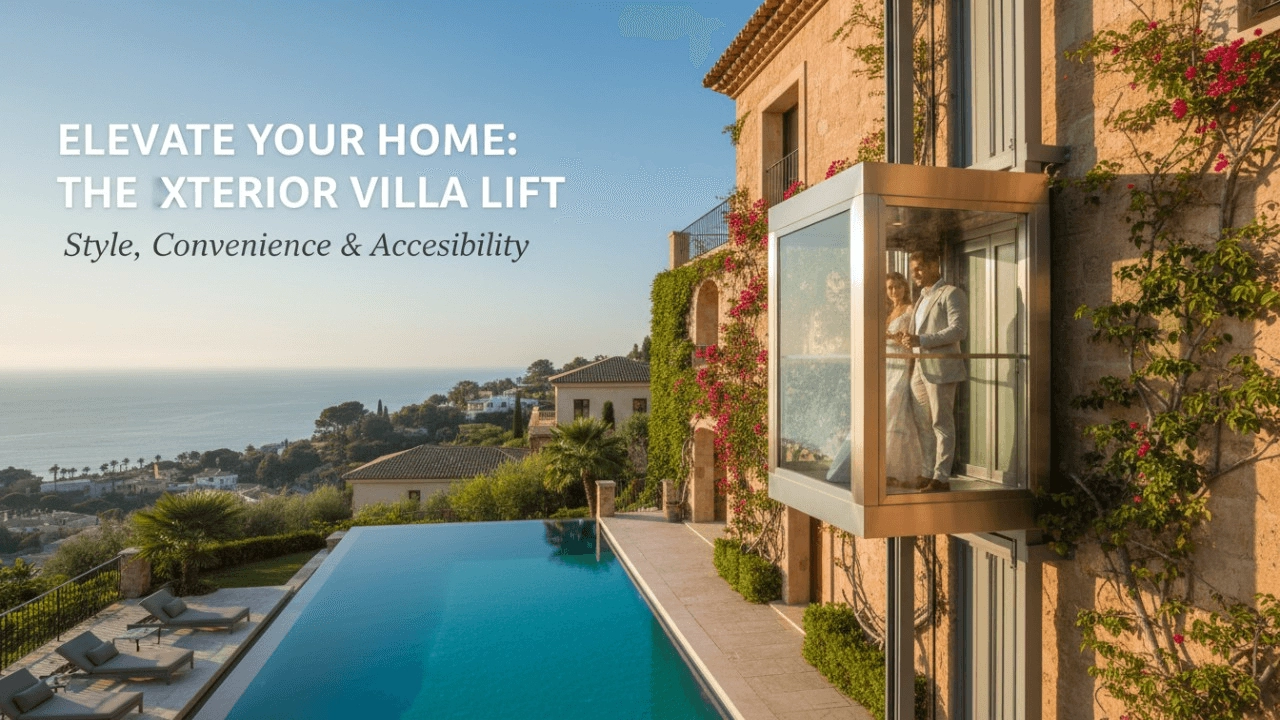
Customize
Can I choose specific materials or colors for the cabin?
Yes. We offer a wide range of premium materials and finishes — from stone to wood to glass.
Do I need architectural drawings to start customization?
Not required initially. We can start with basic dimensions or photos and assist with full planning.
How does the customization process work?
Our design team will guide you through the steps: style selection, material choice, and 3D visualization before confirmation.
Is customization available for both indoor and outdoor elevators?
Yes. All custom options apply to indoor and weatherproof outdoor models.
How long does a custom order take to deliver?
On average, production takes 30–45 days after confirmation, depending on your configuration.
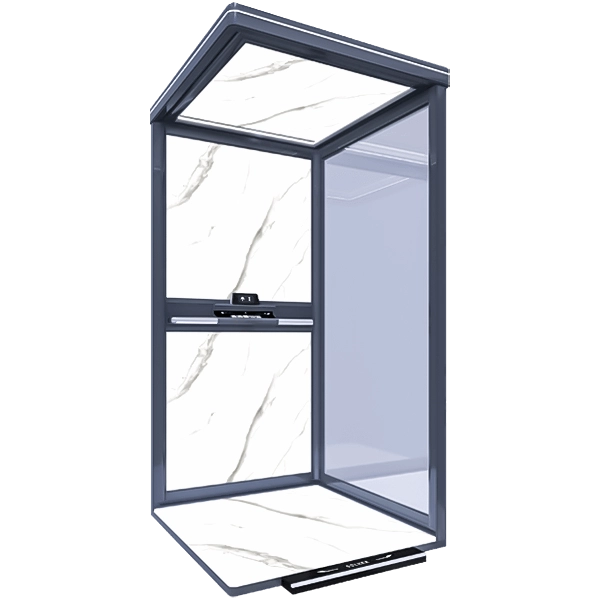
The Model-S is a home villa elevator in the Italian minimalist style. It features the most advanced elevator technology and has comprehensive safety protection measures. It is the most reliable guarantee for your passage in villa homes.
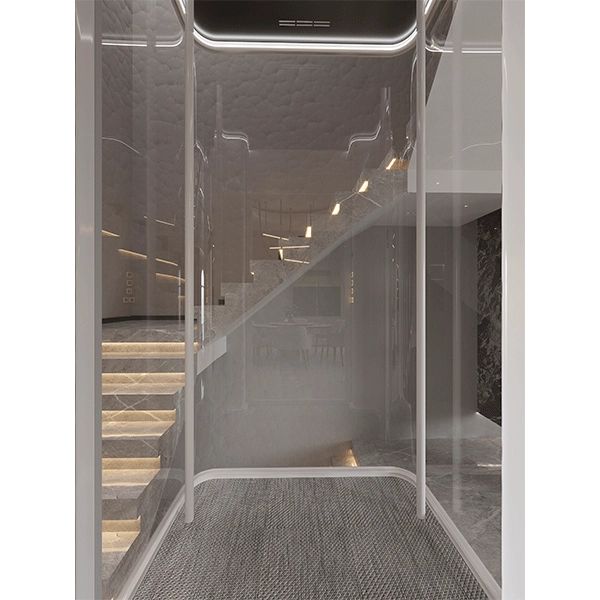
The Model-Mini is a home villa elevator in the Italian minimalist style. It features the most advanced elevator technology and has comprehensive safety protection measures. It is the most reliable guarantee for your passage in villa homes
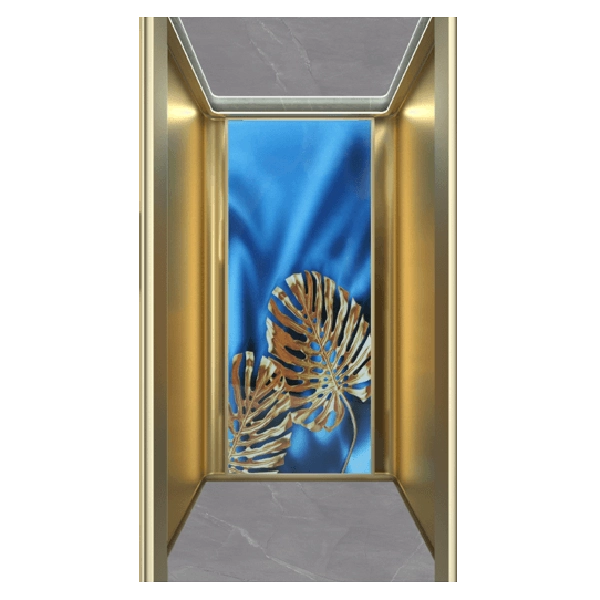
The Model-Q is a home villa elevator in the Italian minimalist style. It features the most advanced elevator technology and has comprehensive safety protection measures. It is the most reliable guarantee for your passage in villa homes.
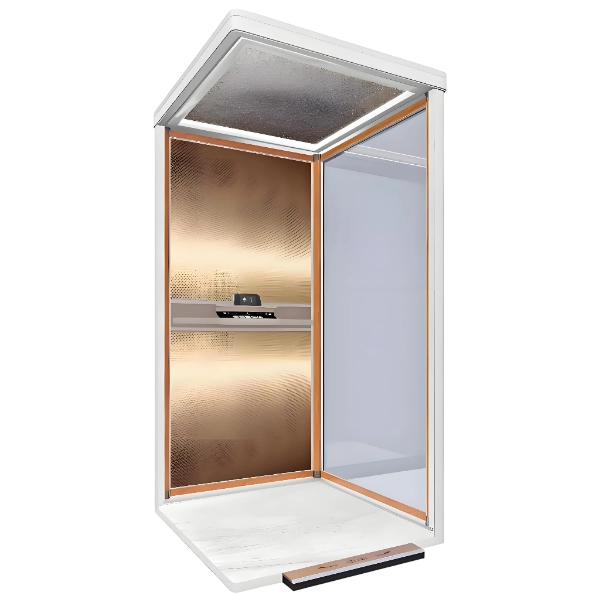
The Model A is a home villa elevator in the Italian minimalist style. It features the most advanced elevator technology and has comprehensive safety protection measures. It is the most reliable guarantee for your passage in villa homes.
Looking for custom villa lifts manufacturing solutions?
We provide full-service OEM & ODM solutions—from concept to delivery.
Design, prototyping, production, and shipping—all in one place.
Fill out the form below for a free quote or consultation.
👉 Contact us today to start an exclusive customized partnership.
📦 Get product catalogs and wholesale prices.
🔧 Submit your design requirements for 1-to-1 exclusive matchmaking.
🌍 Become our global distribution partner.
Rest assured that your privacy is important to us, and all information provided will be handled with the utmost confidentiality.
Let's get in touch
Email: lin@solkerelevator.com
Tel: +86 133 1668 7566
Address: Floor 1, Building D, Nanxin Industry International, Nancheng District, Dongguan, China.
 Taiwan, China
 No. 21, Lane 38, 206 Yingtai Road, Yingge District, New Taipei City
 +886 0975-299-830
 United Arab Emirates
Capital Mall, Abu Dhabi, United Arab Emirates, 3rd floor, Luxera elevator +971 52 541 4685 Ceo@maharacare.com
 Melbourne, Australia
 19/12 Natalia Av, Oakleigh South, VIC 3167
+61 1300 771 86 sales@goldenhomelifts.com.au
Sydney, Australia
U28/323 Chisholm Road, Auburn, NSW 2144
+61 1300 771 86 sales@goldenhomelifts.com.au
SOLKER
SOLKER