


How do hydraulic and traction home elevators differ?
- Understanding Home Elevators: Types and Differences
- 1. What are the main types of home elevators?
- 2. How do hydraulic and traction home elevators differ?
- 3. What are the installation requirements for home elevators?
- 4. What are the weight capacities of home elevators?
- 5. What are the maintenance requirements for home elevators?
- 6. How do I choose the right home elevator for my villa?
- 7. What are the safety features to look for in a home elevator?
- 8. What are the advantages of choosing SOLKER for my villa elevator?
When considering the addition of a home elevator to your villa, it's essential to understand the different types available, their unique features, and how they align with your specific needs. This guide addresses common questions to assist you in making an informed decision.
Understanding Home Elevators: Types and Differences
1. What are the main types of home elevators?
Home elevators primarily fall into the following categories:
Hydraulic Elevators: Utilize pressurized hydraulic fluid to operate a piston, lifting and lowering the elevator car. They are known for their smooth and quiet ride but require a machine room and a pit.
Traction Elevators: Employ steel ropes and pulleys, with a counterweight system to balance the elevator car. These are faster and more energy-efficient, suitable for taller buildings, and typically do not require a machine room.
Winding Drum Elevators: Operate by winding cables onto a drum to raise and lower the elevator car. They are simpler in design but require a machine room and a pit.
Shaftless Elevators: Designed for two-story homes, they require minimal construction and no machine room or pit, making them ideal for retrofitting existing homes.
Vacuum Elevators: Use air pressure to move the elevator car, requiring no machine room or pit, and are known for their modern design and space efficiency.
2. How do hydraulic and traction home elevators differ?
Hydraulic and traction elevators differ in several key aspects:
Mechanism: Hydraulic elevators use fluid pressure to operate a piston, while traction elevators rely on steel ropes and pulleys with a counterweight system.
Speed and Efficiency: Traction elevators are faster and more energy-efficient, suitable for taller buildings, whereas hydraulic elevators are slower and consume more energy.
Installation Requirements: Hydraulic elevators require a machine room and a pit, whereas traction elevators typically do not require a machine room.
Maintenance: Hydraulic elevators may require more maintenance due to the hydraulic fluid, while traction elevators have fewer components that need regular upkeep.
3. What are the installation requirements for home elevators?
Installation requirements vary based on the elevator type:
Hydraulic Elevators: Require a full hoistway enclosure on every floor, a pit at the lowest landing, and a separate machine room.
Traction Elevators: Typically do not require a machine room, making them suitable for homes with limited space.
Shaftless Elevators: Designed for two-story homes, they require minimal construction and no machine room or pit, making them ideal for retrofitting existing homes.
Vacuum Elevators: Require no machine room or pit, offering a modern design and space efficiency.
4. What are the weight capacities of home elevators?
Weight capacities vary by elevator type:
Hydraulic Elevators: Typically have a weight capacity of 750 to 1,000 pounds.
Traction Elevators: Can handle significant weight, with capacities up to 10,000 pounds for geared models and up to 25,000 pounds for gearless models.
Winding Drum Elevators: Generally have a capacity of 500 to 750 pounds.
Shaftless Elevators: Designed for two-story homes, they require minimal construction and no machine room or pit, making them ideal for retrofitting existing homes.
Vacuum Elevators: Offer models with capacities ranging from 450 to 525 pounds, accommodating one to three passengers.
5. What are the maintenance requirements for home elevators?
Maintenance needs depend on the elevator type:
Hydraulic Elevators: Require regular inspections, lubrication, seal and belt checks, and electrical diagnostics. Major component replacements may be needed after 10–20 years, depending on usage. ((https://www.solkerelevator.com/comparing-home-elevator-types.html))
Traction Elevators: Maintenance includes checking the ropes, pulleys, and counterweights, as well as ensuring the motor and control systems are functioning correctly.
Winding Drum Elevators: Maintenance focuses on the drum, cables, and motor to ensure smooth operation.
Shaftless Elevators: Maintenance involves inspecting the drive system and ensuring the elevator operates smoothly.
Vacuum Elevators: Require minimal maintenance due to their simple design, with periodic checks to ensure proper air pressure and functionality.
6. How do I choose the right home elevator for my villa?
Consider the following factors:
Space Availability: Determine the space available for installation, including the need for a machine room or pit.
Weight Capacity: Assess the weight requirements based on the number of users and items to be transported.
Aesthetic Preferences: Choose a design that complements your villa's interior.
Budget: Evaluate the total cost, including installation and maintenance.
Future Needs: Consider potential future requirements, such as accommodating mobility aids or additional floors.
7. What are the safety features to look for in a home elevator?
Essential safety features include:
Emergency Lowering/Back-Up Power: Ensures operation during power outages.
Door Interlocks: Prevents the elevator from moving when doors are open.
Overload Sensors: Detects and prevents operation when weight limits are exceeded.
Emergency Communication: Allows communication with emergency services if needed.
Certified Braking Systems: Provides reliable stopping power.
Regular Inspection Records: Ensures ongoing safety compliance. ((https://www.solkerelevator.com/comparing-home-elevator-types.html))
8. What are the advantages of choosing SOLKER for my villa elevator?
SOLKER offers several benefits:
Customization: Provides bespoke cabin finishes, lighting schemes, and control interfaces to integrate with luxury interiors.
Product Range: Offers villa elevators, villa lifts, and luxury home elevators with traction, hydraulic, and advanced solutions to suit different architectural constraints.
Technical Reliability: Decades of manufacturing and in-house R&D ensure control over component quality, supported by a global maintenance network.
Design Focus: Emphasis on quiet operation, safety redundancy, and aesthetic choices—glass tubes, brass fittings, leather panels—depending on client brief.
After-Sales & Maintenance: Scheduled inspections, rapid parts replacement, and optional extended warranties for villa installations. ((https://www.solkerelevator.com/comparing-home-elevator-types.html))
By considering these factors and understanding the different types of home elevators, you can make an informed decision that enhances the functionality, safety, and aesthetic appeal of your villa.
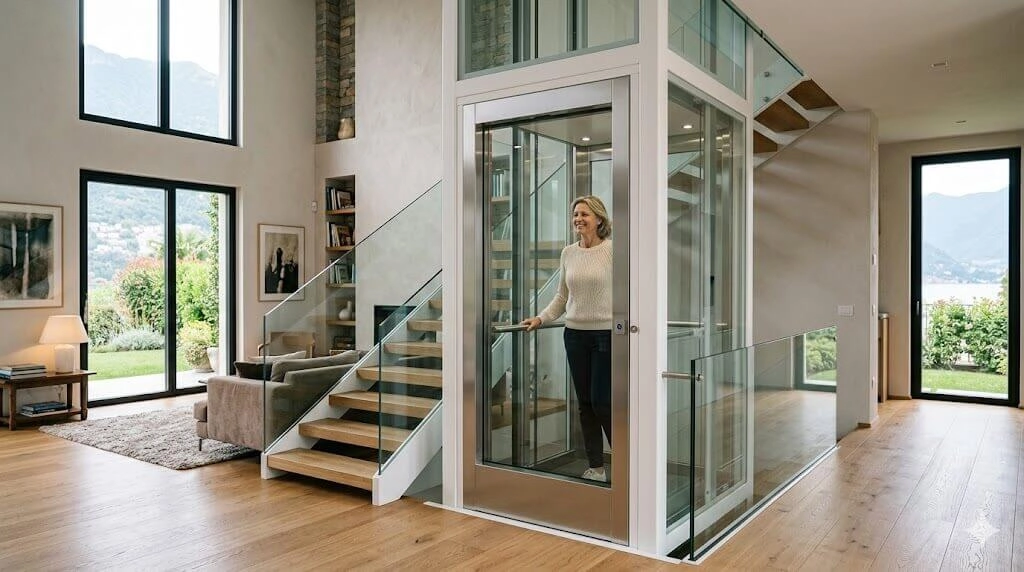

![How an Elevator for Home Can Increase Your Property Value by 10% [2026 Case Study] - SOLKER](https://static.gooecloud.com/upload/img/GY076088693142/how-an-elevator-for-home-can-increase-your-property-value-by-10-2026-case-study.png?x-oss-process=image/format,webp/quality,Q_100 "How-an-Elevator-for-Home-Can-Increase-Your-Property-Value-by-10%-[2026-Case-Study] - SOLKER")
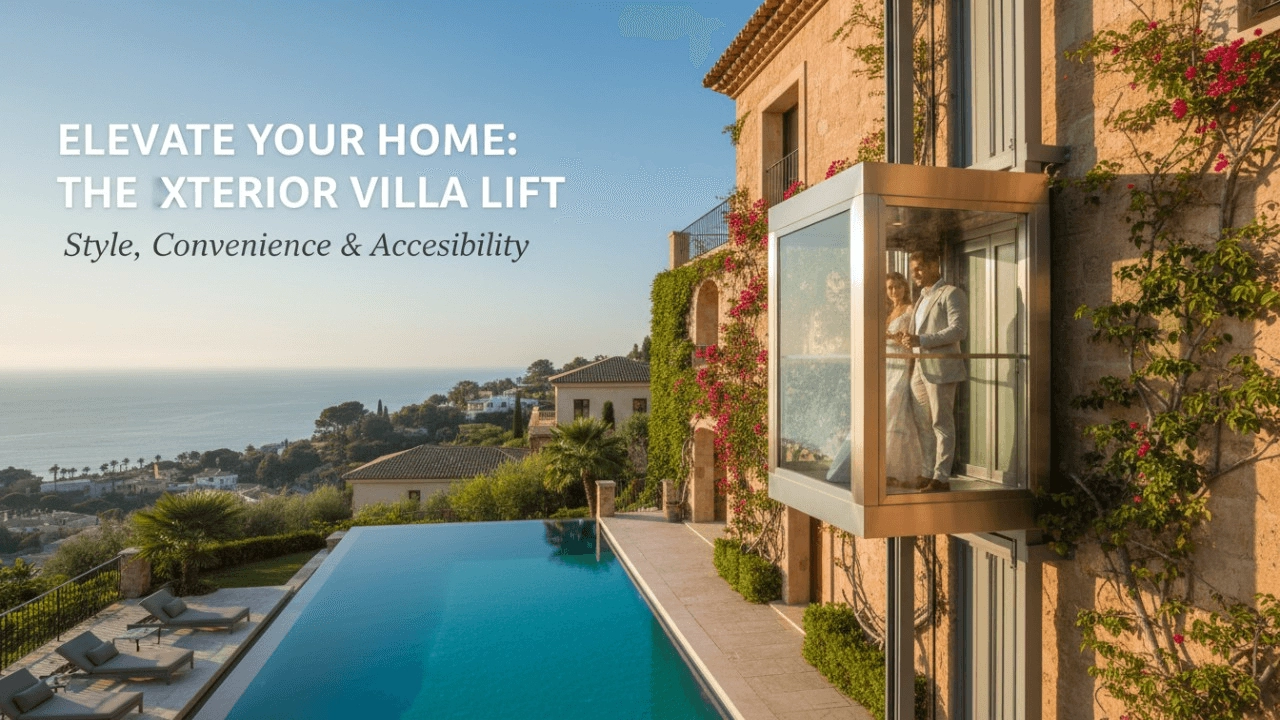
Customize
How long does a custom order take to deliver?
On average, production takes 30–45 days after confirmation, depending on your configuration.
Do I need architectural drawings to start customization?
Not required initially. We can start with basic dimensions or photos and assist with full planning.
Can I customize the elevator to match my home style?
Absolutely. We offer multiple cabin styles, materials, and finishes to suit modern, classic, or minimalist interiors.
What parts of the elevator can be customized?
You can personalize wall panels, flooring, lighting, control panels, handrails, and door finishes.
Product
How to install an elevator and what is the warranty?
We have overseas technicians who are at your service 24 hours a day, 365 days a year.
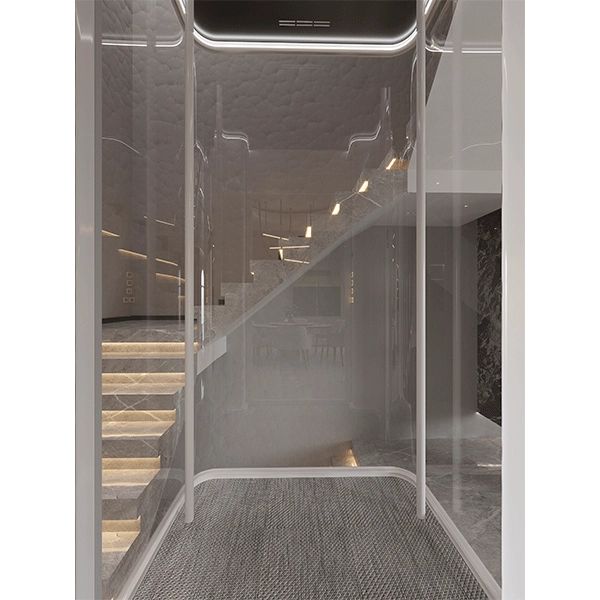
The Model-Mini is a home villa elevator in the Italian minimalist style. It features the most advanced elevator technology and has comprehensive safety protection measures. It is the most reliable guarantee for your passage in villa homes
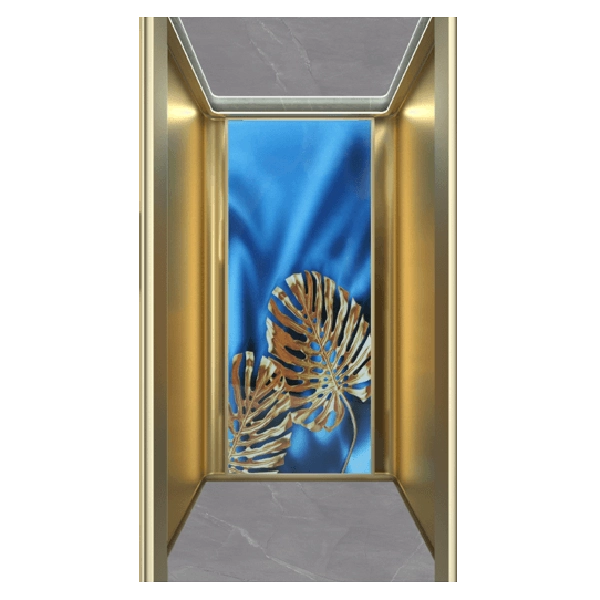
The Model-Q is a home villa elevator in the Italian minimalist style. It features the most advanced elevator technology and has comprehensive safety protection measures. It is the most reliable guarantee for your passage in villa homes.
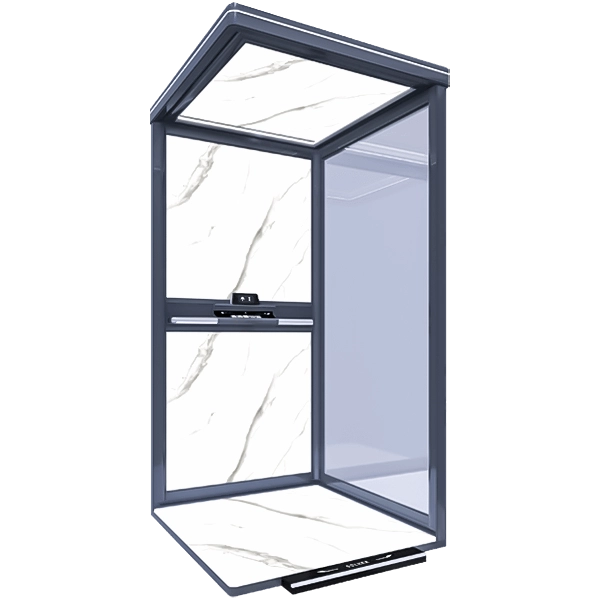
The Model-S is a home villa elevator in the Italian minimalist style. It features the most advanced elevator technology and has comprehensive safety protection measures. It is the most reliable guarantee for your passage in villa homes.
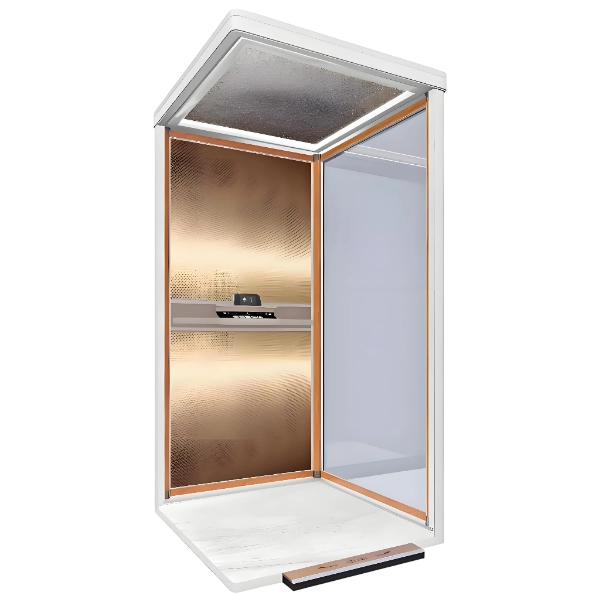
The Model A is a home villa elevator in the Italian minimalist style. It features the most advanced elevator technology and has comprehensive safety protection measures. It is the most reliable guarantee for your passage in villa homes.
Looking for custom villa lifts manufacturing solutions?
We provide full-service OEM & ODM solutions—from concept to delivery.
Design, prototyping, production, and shipping—all in one place.
Fill out the form below for a free quote or consultation.
👉 Contact us today to start an exclusive customized partnership.
📦 Get product catalogs and wholesale prices.
🔧 Submit your design requirements for 1-to-1 exclusive matchmaking.
🌍 Become our global distribution partner.
Rest assured that your privacy is important to us, and all information provided will be handled with the utmost confidentiality.
Let's get in touch
Email: lin@solkerelevator.com
Tel: +86 133 1668 7566
Address: Floor 1, Building D, Nanxin Industry International, Nancheng District, Dongguan, China.
 Taiwan, China
 No. 21, Lane 38, 206 Yingtai Road, Yingge District, New Taipei City
 +886 0975-299-830
 United Arab Emirates
Capital Mall, Abu Dhabi, United Arab Emirates, 3rd floor, Luxera elevator +971 52 541 4685 Ceo@maharacare.com
 Melbourne, Australia
 19/12 Natalia Av, Oakleigh South, VIC 3167
+61 1300 771 86 sales@goldenhomelifts.com.au
Sydney, Australia
U28/323 Chisholm Road, Auburn, NSW 2144
+61 1300 771 86 sales@goldenhomelifts.com.au
SOLKER
SOLKER