


Total Cost of Ownership: Elevator for Home for Villa Projects
- Total Cost of Ownership for Elevator for Home in Villa Projects: Why It Matters
- Understanding the strategic value of an elevator for home in villa projects
- Product spotlight: Minimalist design high-end and elegant villa home elevator Model-S
- What does Total Cost of Ownership include for an elevator for home?
- Core components that determine the long-term cost
- How to estimate each TCO component for a villa elevator
- Realistic budgeting steps for an elevator for home
- Comparative cost example: Model-S vs. Standard Home Elevator
- A 20-year TCO comparison to illustrate cost drivers for elevator for home
- Energy efficiency and operating cost considerations for elevator for home
- How elevator technology affects long-term operating expenses
- Maintenance, reliability, and safety: reducing unexpected TCO spikes
- Why safety and quality of service matter for elevator for home
- Installation and space planning impact on TCO for villa elevators
- How architectural choices influence cost and future flexibility
- Financing, insurance, and resale value for elevator for home
- How these financial elements alter effective ownership cost
- Brand and product advantages: Why choose Model-S for villa projects
- How Model-S reduces TCO while delivering luxury and safety
- Practical checklist: How to evaluate TCO quotes for an elevator for home
- Questions to ask suppliers and service partners
- Frequently Asked Questions (FAQ) about elevator for home and TCO
- 1. What is the typical payback period when comparing High Quality vs economy home elevators?
- 2. How often should maintenance be performed on a villa home elevator?
- 3. Are home elevators required to meet commercial safety standards?
- 4. How much energy does a typical home elevator use?
- 5. Can I retrofit an elevator like Model-S into an existing villa?
- Contact and next steps: Get a tailored TCO assessment for your villa
- Request a site survey and a detailed, line-item TCO proposal
- Authoritative references and further reading
- Key standards and knowledge resources used for TCO and elevator safety guidance
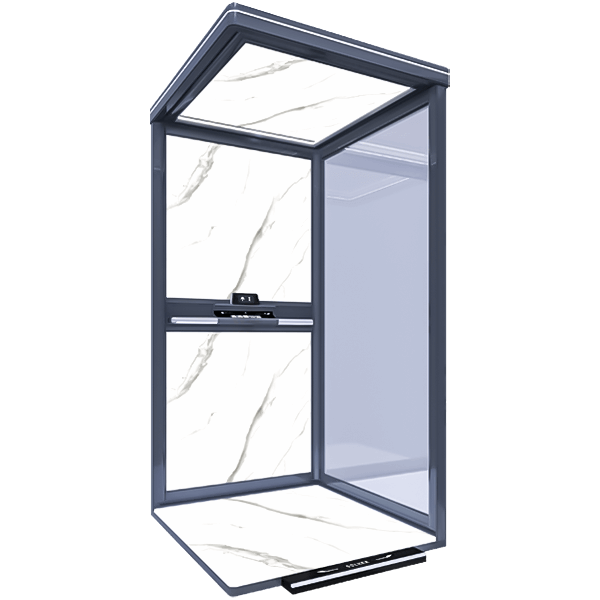
Total Cost of Ownership for Elevator for Home in Villa Projects: Why It Matters
Understanding the strategic value of an elevator for home in villa projects
The decision to install an elevator for home in a villa project goes beyond initial purchase price. Owners, architects, and developers increasingly evaluate the Total Cost of Ownership (TCO) to make a financially sound, safe, and future-proof choice. TCO accounts for purchase, installation, energy consumption, maintenance, safety upgrades, downtime, and residual value across the elevator's service life. A clear understanding of lifecycle costs must be balanced with risk control, which makes compliance and safety standards for elevator for home installations a critical next consideration for villa projects.
Product spotlight: Minimalist design high-end and elegant villa home elevator Model-S
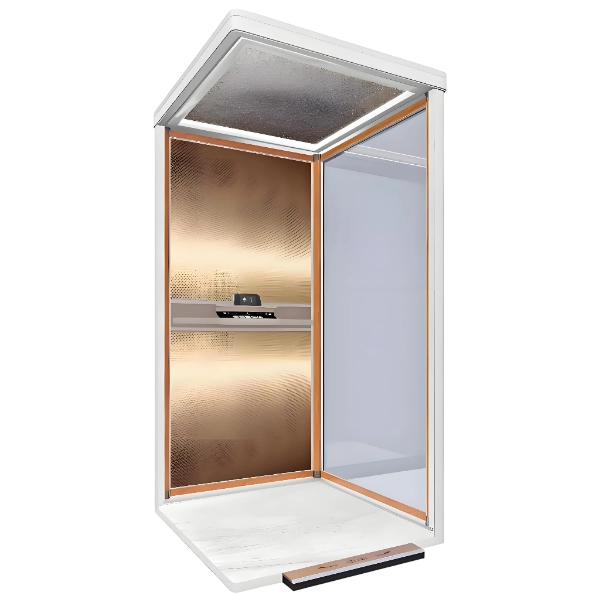
The Model-S is a home villa elevator in the Italian minimalist style. It features the most advanced elevator technology and has comprehensive safety protection measures. It is the most reliable guarantee for your passage in villa homes.
What does Total Cost of Ownership include for an elevator for home?
Core components that determine the long-term cost
TCO for an elevator for home typically includes the following elements. Understanding each helps owners predict cash flow and long-term value:
- Initial equipment cost: purchase price of the cab, motor, controller, and accessories.
- Installation and construction: hoistway preparation, shaftwork, structural reinforcement, and finishings.
- Testing and certification: compliance with local building and safety codes, inspections, and commissioning.
- Energy consumption: electricity to drive the elevator, whether hydraulic or traction, and standby consumption for controls and lighting.
- Routine maintenance: annual servicing, parts replacement, and lubrication.
- Repairs and unexpected failures: corrective maintenance and component replacement costs over time.
- Modernization/upgrades: technology refresh, safety upgrades, and aesthetic updates at mid-life.
- Downtime impact: lost convenience, emergency response, and potential guest dissatisfaction in luxury villas.
- Residual value: the second-hand or resale value at end of life and how design and standards compliance affect it.
How to estimate each TCO component for a villa elevator
Realistic budgeting steps for an elevator for home
To calculate a reliable TCO, follow these practical steps:
- Get detailed quotes that separate equipment, installation, and finishing costs. A transparent quote avoids surprises.
- Request an energy estimate based on expected journeys per day and rated motor efficiency.
- Ask for typical maintenance schedules and average annual costs from three independent service providers.
- Include contingency for structural changes—shafts in villas sometimes require bespoke solutions.
- Plan for a mid-life modernization (often 12–18 years) and get fixed quotes where possible.
Comparative cost example: Model-S vs. Standard Home Elevator
A 20-year TCO comparison to illustrate cost drivers for elevator for home
The table below presents a representative comparison between the Model-S (High Quality minimalist villa elevator) and a typical standard home elevator. Values are illustrative and should be replaced with supplier quotes for project-specific decisions.
| Category | Model-S (Minimalist high-end) | Standard Home Elevator |
|---|---|---|
| Purchase price (equipment) | $40,000 | $25,000 |
| Installation & construction | $12,000 | $15,000 |
| Annual energy consumption (avg) | $120 / year | $250 / year |
| Annual maintenance (avg) | $300 / year | $600 / year |
| Expected useful life | 25 years | 20 years |
| Major modernization (mid-life) | $6,000 at year 15 | $9,000 at year 12 |
| Estimated 20-year TCO (sum of above) | $58,200 (illustrative) | $72,500 (illustrative) |
Interpretation: Although Model-S has a higher upfront equipment price, lower energy use, reduced maintenance, longer useful life, and lower modernization costs can produce a lower 20-year TCO. Exact numbers depend on usage patterns, local labor rates, and electricity prices.
Energy efficiency and operating cost considerations for elevator for home
How elevator technology affects long-term operating expenses
Modern home elevators use energy-efficient traction motors with variable-frequency drives (VFD) or advanced hydraulic systems designed for low standby consumption. Key considerations:
- Motor type: gearless traction with VFD typically uses less energy for frequent, short trips common in villa homes.
- Regenerative drives: return energy to the grid during descent, reducing net consumption.
- Standby systems: LED lighting and efficient controllers lower idle draws.
- Usage profile: fewer trips per day dramatically reduce operating costs compared to high-traffic commercial elevators.
Maintenance, reliability, and safety: reducing unexpected TCO spikes
Why safety and quality of service matter for elevator for home
Unexpected breakdowns drive up TCO via emergency call-outs, replacement parts, and potential structural corrections. Minimizing these requires:
- Choosing systems compliant with relevant safety standards (local codes, EN 81, ASME where applicable).
- Contracts with clear SLAs (response time, preventive maintenance frequency, parts warranty).
- Using original manufacturer parts for replacements to preserve reliability and warranty.
Installation and space planning impact on TCO for villa elevators
How architectural choices influence cost and future flexibility
Installation in villa projects often requires custom shaftwork or finishes that match a high-end aesthetic. Key points:
- Shaft vs. shaftless: shaftless designs can reduce construction but may limit capacity and code compliance depending on jurisdiction.
- Synchronized finishing: coordinating elevator installation with interior fit-out reduces rework costs.
- Future-proofing: plan for a slightly larger shaft and access for maintenance to reduce retrofit costs later.
Financing, insurance, and resale value for elevator for home
How these financial elements alter effective ownership cost
Consider:
- Financing terms: interest rates and amortization period can make a higher-quality elevator easier to afford monthly.
- Insurance: some insurers offer lower High Qualitys for certified, well-maintained elevators with modern safety features.
- Resale value: tasteful, well-documented installations (like Model-S with minimalist Italian design) can add perceived home value and attract buyers.
Brand and product advantages: Why choose Model-S for villa projects
How Model-S reduces TCO while delivering luxury and safety
The Minimalist design high-end and elegant villa home elevator Model-S offers several advantages that reduce TCO and boost long-term value:
- High-efficiency drive systems reduce energy consumption and lower yearly operating costs.
- Italian minimalist design reduces frequent finish updates—timeless aesthetics maintain resale appeal.
- Comprehensive safety measures and adherence to international codes lower insurance and liability concerns.
- Modular components and accessible maintenance points shorten service time and reduce technicians' labor hours.
- Longer expected service life and competitive modernization costs make Model-S cost-effective on a 15–25 year horizon.
Practical checklist: How to evaluate TCO quotes for an elevator for home
Questions to ask suppliers and service partners
Before committing, validate the following items in every proposal:
- Breakdown of equipment vs. installation costs.
- Detailed maintenance schedule and priced service contract options.
- Estimated energy use per year and assumptions behind it (trips/day, loads).
- Warranties and what they cover (parts, labor, travel).
- Timeframe and cost for mid-life modernization.
- Compliance and certification evidence for your jurisdiction.
Frequently Asked Questions (FAQ) about elevator for home and TCO
1. What is the typical payback period when comparing High Quality vs economy home elevators?
While payback depends on usage and local costs, High Quality elevators like Model-S can show lower TCO over 10–20 years due to reduced energy and maintenance. In many villa scenarios, the higher upfront cost is offset by lower operating expenses and higher resale value.
2. How often should maintenance be performed on a villa home elevator?
Standard preventive maintenance intervals are quarterly or semi-annually depending on usage. High-end systems often require less frequent intensive service but still benefit from scheduled check-ups to preserve warranty and reliability.
3. Are home elevators required to meet commercial safety standards?
Home elevators must meet local residential elevator regulations which often mirror commercial standards (EN 81 in Europe, ASME A17.1/CSA B44 in North America) for critical safety components. Always verify local code requirements with your supplier.
4. How much energy does a typical home elevator use?
Energy use varies widely. Typical home elevators can consume between 100 and 400 kWh/year depending on technology and usage. Modern traction systems with VFDs like Model-S tend toward the lower end. Obtain measured or estimated energy numbers from suppliers for accurate TCO modeling.
5. Can I retrofit an elevator like Model-S into an existing villa?
Yes—Model-S is designed for villa projects and can often be retrofitted into existing homes, but feasibility depends on available shaft space, structural capacity, and local code. A site survey is required to create a fixed quote and plan.
Contact and next steps: Get a tailored TCO assessment for your villa
Request a site survey and a detailed, line-item TCO proposal
To receive a project-specific TCO assessment for Model-S, contact our team for a complimentary site survey and a transparent, itemized proposal that covers equipment, installation, energy estimates, maintenance contracts, and modernization planning. Visit /contact or email sales@example.com to schedule an appointment.
Authoritative references and further reading
Key standards and knowledge resources used for TCO and elevator safety guidance
- Wikipedia — Elevator: https://en.wikipedia.org/wiki/Elevator
- Wikipedia — Total cost of ownership: https://en.wikipedia.org/wiki/Total_cost_of_ownership
- EN 81 (European elevator safety standards overview): https://en.wikipedia.org/wiki/EN_81
- ASME (American Society of Mechanical Engineers) elevator standards overview: https://en.wikipedia.org/wiki/American_Society_of_Mechanical_Engineers
- Industry guidance and case studies (examples of home elevator energy and maintenance considerations): consult manufacturer datasheets and local code authorities for the most accurate, region-specific information.
For custom quotes, energy modeling, or a detailed TCO spreadsheet tailored to your villa project and local costs, contact our specialists. We combine elevator industry engineering expertise with villa design aesthetics to deliver safe, efficient, and elegant solutions such as the Model-S.
Top Design Ideas for Luxury Villa Elevators
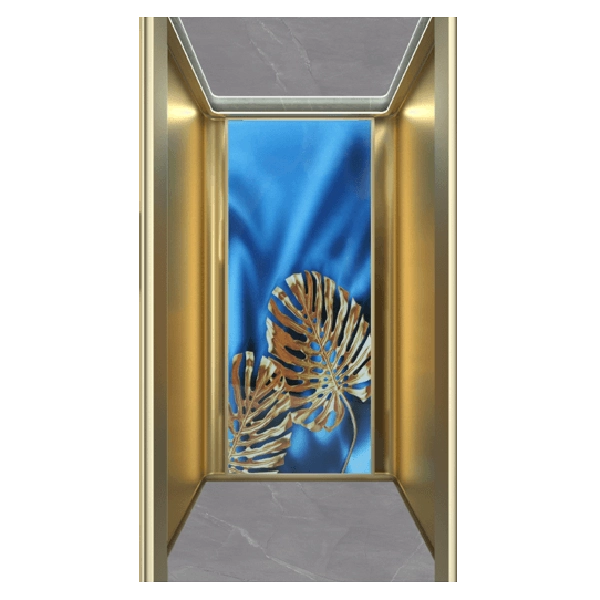
Energy Efficiency and Sustainability of Small Home Elevators
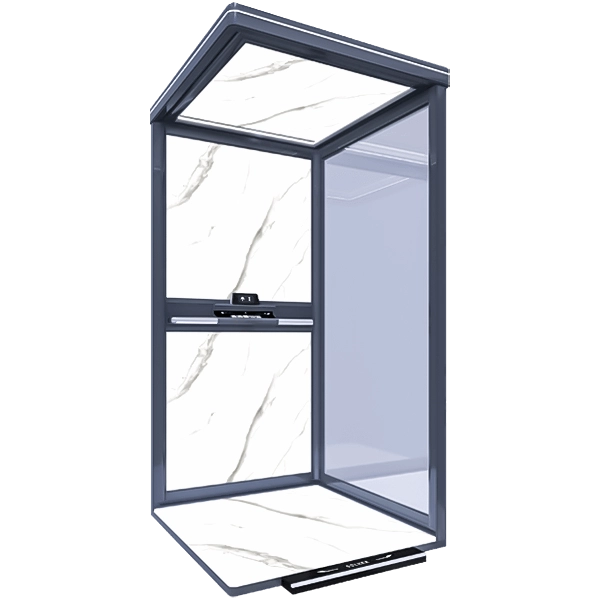
Best maintenance practices for Minimalist Model-S owners
Compliance and Safety Standards for Small Villa Elevators
Customize
What parts of the elevator can be customized?
You can personalize wall panels, flooring, lighting, control panels, handrails, and door finishes.
How does the customization process work?
Our design team will guide you through the steps: style selection, material choice, and 3D visualization before confirmation.
Do I need architectural drawings to start customization?
Not required initially. We can start with basic dimensions or photos and assist with full planning.
Can I choose specific materials or colors for the cabin?
Yes. We offer a wide range of premium materials and finishes — from stone to wood to glass.
Product
How to install an elevator and what is the warranty?
We have overseas technicians who are at your service 24 hours a day, 365 days a year.
Minimalist design high-end and elegant villa home elevator Model-S
The Model-S is a home villa elevator in the Italian minimalist style. It features the most advanced elevator technology and has comprehensive safety protection measures. It is the most reliable guarantee for your passage in villa homes.
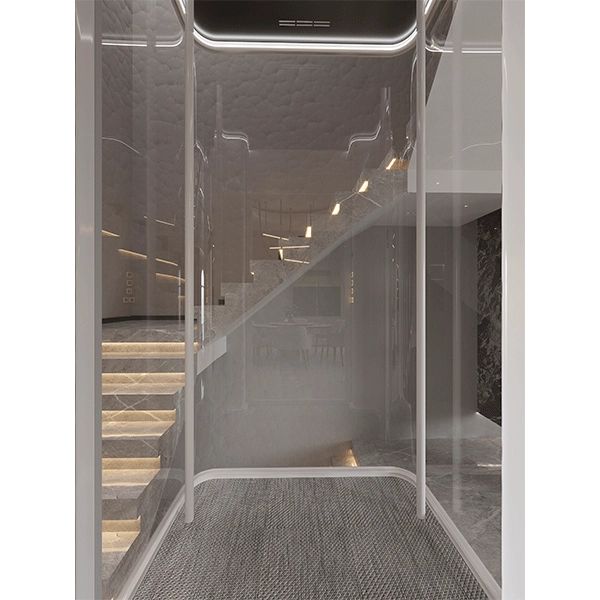
Simple and elegant villa home elevator Model-mini
The Model-Mini is a home villa elevator in the Italian minimalist style. It features the most advanced elevator technology and has comprehensive safety protection measures. It is the most reliable guarantee for your passage in villa homes
High-end and elegant villa home elevator Model-A
The Model A is a home villa elevator in the Italian minimalist style. It features the most advanced elevator technology and has comprehensive safety protection measures. It is the most reliable guarantee for your passage in villa homes.
Minimalist design high-end and elegant villa home elevator Model-Q
The Model-Q is a home villa elevator in the Italian minimalist style. It features the most advanced elevator technology and has comprehensive safety protection measures. It is the most reliable guarantee for your passage in villa homes.
Let's get in touch
Email: lin@solkerelevator.com
Tel: +86 133 1668 7566
Address: Floor 1, Building D, Nanxin Industry International, Nancheng District, Dongguan, China.
 Taiwan, China
 No. 21, Lane 38, 206 Yingtai Road, Yingge District, New Taipei City
 +886 0975-299-830
 United Arab Emirates
Capital Mall, Abu Dhabi, United Arab Emirates, 3rd floor, Luxera elevator +971 52 541 4685 Ceo@maharacare.com
 Melbourne, Australia
 19/12 Natalia Av, Oakleigh South, VIC 3167
+61 1300 771 86 sales@goldenhomelifts.com.au
Sydney, Australia
U28/323 Chisholm Road, Auburn, NSW 2144
+61 1300 771 86 sales@goldenhomelifts.com.au
SOLKER
SOLKER