


What noise and vibration controls are needed for exterior elevators?
- Exterior Home Elevators: Noise and Vibration Control Considerations
- 1. What Are the Primary Sources of Noise and Vibration in Exterior Elevators?
- 2. How Can Hoistway and Shaft Isolation Reduce Noise Transmission?
- 3. What Role Does Machine Room Placement Play in Noise Control?
- 4. Which Vibration Isolation Methods Are Effective for Residential Elevators?
- 5. How Can Door and Mechanism Noise Be Minimized?
- 6. What Installation Practices Are Essential for Noise and Vibration Control?
- 7. How Do Building Codes Address Elevator Noise and Vibration?
- 8. What Are the Benefits of Installing an Exterior Home Elevator?
- Conclusion: Why Choose SOLKER for Your Villa Elevator Needs?
Exterior Home Elevators: Noise and Vibration Control Considerations
When considering the installation of an exterior home elevator, it's crucial to address potential noise and vibration issues to maintain a comfortable living environment. Below are key considerations and solutions to mitigate these concerns:
1. What Are the Primary Sources of Noise and Vibration in Exterior Elevators?
Exterior elevators can generate noise and vibration from several components:
- Mechanical Equipment: Motors, pulleys, and gears can produce operational sounds.
- Structural Transmission: Vibrations may transfer through the building's structure, affecting adjacent rooms.
- Door Mechanisms: Opening and closing doors can create noise if not properly designed.
2. How Can Hoistway and Shaft Isolation Reduce Noise Transmission?
Effective isolation techniques include:
- Resilient Mounts: Using mounts for guide rails to absorb vibrations.
- Rail Pads: Installing rubber or neoprene pads to dampen noise.
- Decoupled Linings: Applying hoistway linings that are not rigidly connected to the building structure.
These methods prevent sound and vibration from traveling into adjacent walls and floors. ((https://www.solkerelevator.com/soundproofing-vibration-control-residential-elevators.html))
3. What Role Does Machine Room Placement Play in Noise Control?
Strategic placement of machine rooms can significantly reduce noise:
- Distance from Living Areas: Positioning machine rooms away from bedrooms and living rooms minimizes disturbance.
- Remote Locations: Utilizing remote machine rooms can further isolate noise.
- Acoustic Enclosures: Enclosing equipment in soundproof cabinets helps contain noise. ((https://www.solkerelevator.com/soundproofing-vibration-control-residential-elevators.html))
4. Which Vibration Isolation Methods Are Effective for Residential Elevators?
To address low-frequency vibrations (1–100 Hz), consider:
- Neoprene or Elastomeric Mounts: These materials effectively absorb vibrations.
- Spring-and-Damper Isolators: Suitable for heavier machine units to reduce movement.
- Tuned Mass Dampers: Installed where space and budget allow to counteract vibrations. ((https://www.solkerelevator.com/soundproofing-vibration-control-residential-elevators.html))
5. How Can Door and Mechanism Noise Be Minimized?
Implementing the following can reduce door-related noise:
- Soft-Start and Soft-Close Drives: Ensure smooth door operation.
- Precision Rollers: Provide quiet movement.
- Rubber or Felt Dampers: Install at door edges to absorb impact sounds. ((https://www.solkerelevator.com/soundproofing-vibration-control-residential-elevators.html))
6. What Installation Practices Are Essential for Noise and Vibration Control?
Proper installation is vital:
- Level Fixing of Guide Rails: Use specified resilient pads to secure rails.
- Avoid Rigid Connections: Prevent direct connections between elevator supports and finished walls.
- Seal Penetrations: Ensure all cable and duct openings are sealed to prevent sound leaks.
- Acoustic Testing: Conduct on-site tests to identify and correct unexpected noise paths. ((https://www.solkerelevator.com/soundproofing-vibration-control-residential-elevators.html))
7. How Do Building Codes Address Elevator Noise and Vibration?
Building codes set standards for sound isolation:
- Wall Assemblies: Aim for an STC (Sound Transmission Class) rating of 50 to block approximately 50 dB of noise.
- Floor/Ceiling Assemblies: Also target an STC rating of 50 to ensure adequate soundproofing.
8. What Are the Benefits of Installing an Exterior Home Elevator?
Beyond noise and vibration control, exterior home elevators offer:
- Enhanced Accessibility: Facilitates movement for individuals with mobility challenges.
- Increased Property Value: Adds a luxury feature that can enhance resale value.
- Convenience: Eases the transport of heavy items between floors. ((https://www.solkerelevator.com/guides/exterior-home-elevators-compliance-standards.html))
Conclusion: Why Choose SOLKER for Your Villa Elevator Needs?
SOLKER combines over two decades of research and manufacturing experience to deliver exterior home elevators that prioritize noise and vibration control. Our elevators are designed to blend safety, aesthetics, and functionality, ensuring a comfortable and luxurious experience for villa owners.
For more information on our exterior home elevator solutions, visit our website or contact our customer service team.
References:

![How an Elevator for Home Can Increase Your Property Value by 10% [2026 Case Study] - SOLKER](https://static.gooecloud.com/upload/img/GY076088693142/how-an-elevator-for-home-can-increase-your-property-value-by-10-2026-case-study.png?x-oss-process=image/format,webp/quality,Q_100 "How-an-Elevator-for-Home-Can-Increase-Your-Property-Value-by-10%-[2026-Case-Study] - SOLKER")
Product
How long is the production date required?
Under normal circumstances, the production time is 35 to 45 days.
Customize
Is customization available for both indoor and outdoor elevators?
Yes. All custom options apply to indoor and weatherproof outdoor models.
Can the elevator design be matched to my home's architecture?
Absolutely. Our designers tailor each cabin to complement your interior layout and style.
How does the customization process work?
Our design team will guide you through the steps: style selection, material choice, and 3D visualization before confirmation.
Do I need architectural drawings to start customization?
Not required initially. We can start with basic dimensions or photos and assist with full planning.
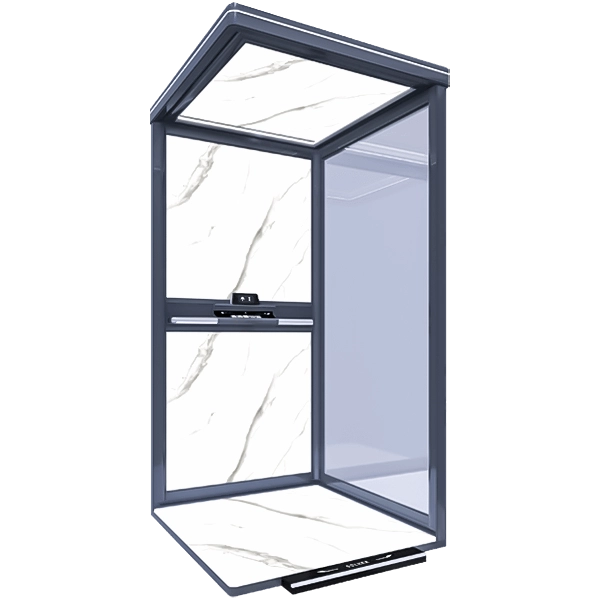
The Model-S is a home villa elevator in the Italian minimalist style. It features the most advanced elevator technology and has comprehensive safety protection measures. It is the most reliable guarantee for your passage in villa homes.
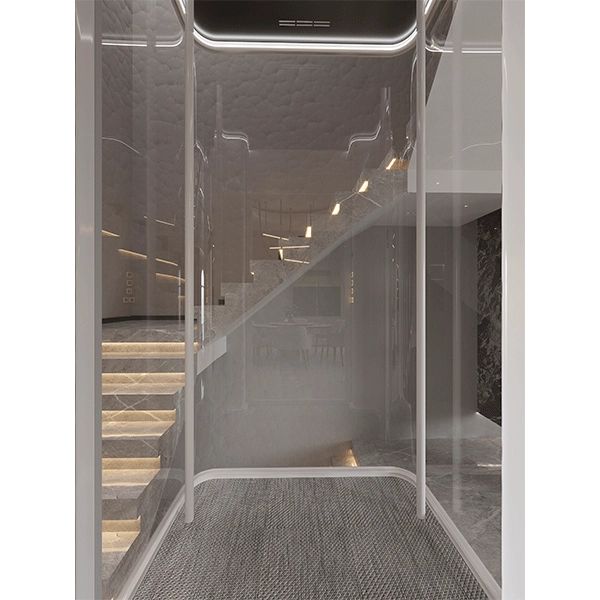
The Model-Mini is a home villa elevator in the Italian minimalist style. It features the most advanced elevator technology and has comprehensive safety protection measures. It is the most reliable guarantee for your passage in villa homes
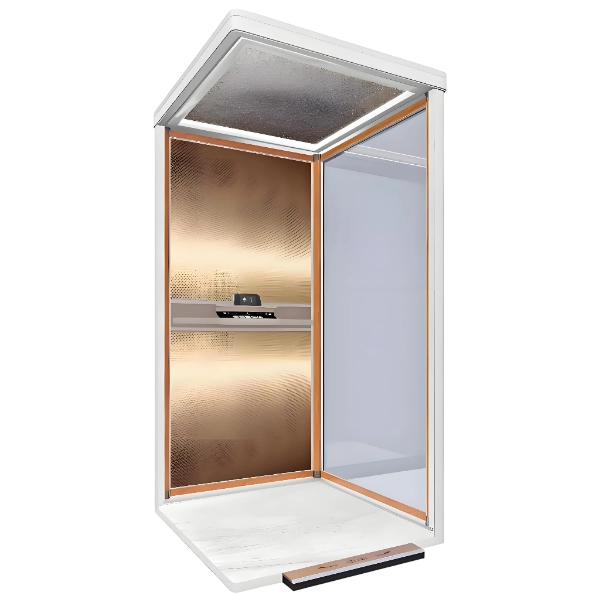
The Model A is a home villa elevator in the Italian minimalist style. It features the most advanced elevator technology and has comprehensive safety protection measures. It is the most reliable guarantee for your passage in villa homes.
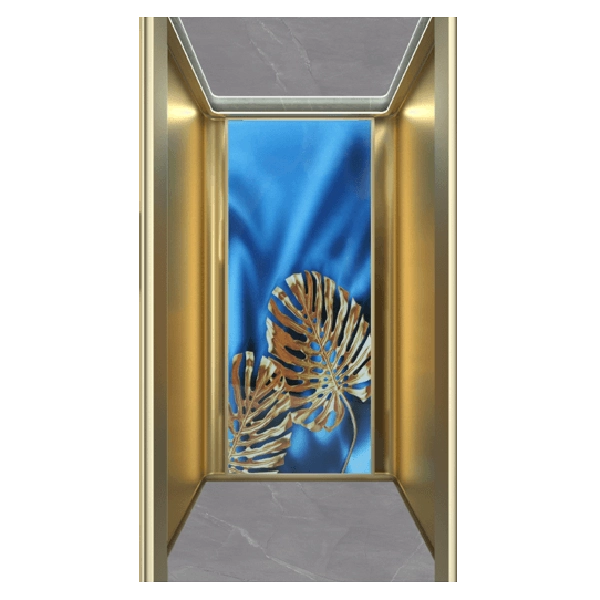
The Model-Q is a home villa elevator in the Italian minimalist style. It features the most advanced elevator technology and has comprehensive safety protection measures. It is the most reliable guarantee for your passage in villa homes.
Looking for custom villa lifts manufacturing solutions?
We provide full-service OEM & ODM solutions—from concept to delivery.
Design, prototyping, production, and shipping—all in one place.
Fill out the form below for a free quote or consultation.
👉 Contact us today to start an exclusive customized partnership.
📦 Get product catalogs and wholesale prices.
🔧 Submit your design requirements for 1-to-1 exclusive matchmaking.
🌍 Become our global distribution partner.
Rest assured that your privacy is important to us, and all information provided will be handled with the utmost confidentiality.
Let's get in touch
Email: lin@solkerelevator.com
Tel: +86 133 1668 7566
Address: Floor 1, Building D, Nanxin Industry International, Nancheng District, Dongguan, China.
 Taiwan, China
 No. 21, Lane 38, 206 Yingtai Road, Yingge District, New Taipei City
 +886 0975-299-830
 United Arab Emirates
Capital Mall, Abu Dhabi, United Arab Emirates, 3rd floor, Luxera elevator +971 52 541 4685 Ceo@maharacare.com
 Melbourne, Australia
 19/12 Natalia Av, Oakleigh South, VIC 3167
+61 1300 771 86 sales@goldenhomelifts.com.au
Sydney, Australia
U28/323 Chisholm Road, Auburn, NSW 2144
+61 1300 771 86 sales@goldenhomelifts.com.au
SOLKER
SOLKER