


What mounting and anchoring methods suit different facades?
- Exterior Home Elevators: Essential Guide for Villa Owners
- 1. What are the primary mounting methods for exterior home elevators?
- 2. How do different facades affect the choice of mounting and anchoring methods?
- 3. What are the common anchoring solutions for exterior home elevators?
- 4. How does weatherproofing impact the installation of exterior home elevators?
- 5. What maintenance practices are recommended for exterior home elevators?
- 6. How do I choose the right supplier for an exterior home elevator?
- 7. What are the cost considerations for installing an exterior home elevator?
- 8. How does installing an exterior home elevator affect property value?
- Conclusion: Why Choose SOLKER for Your Exterior Home Elevator Needs
Exterior Home Elevators: Essential Guide for Villa Owners
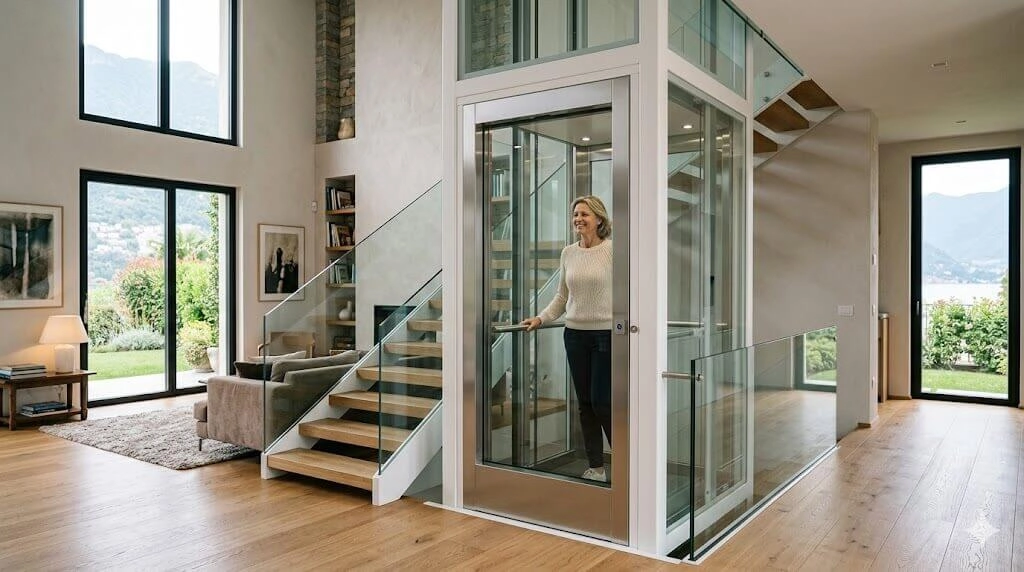
As villa owners seek to enhance accessibility and property value, installing an exterior home elevator becomes a practical solution. This guide addresses common questions regarding mounting methods, anchoring solutions, and maintenance practices to ensure a safe and durable installation.
1. What are the primary mounting methods for exterior home elevators?
Exterior home elevators can be mounted using various methods, each suited to different building facades:
Free-Standing Structures: These elevators are supported by their own framework, independent of the building's structure. They are ideal for properties where integrating the elevator into the existing facade is not feasible.
Attached to Building Facade: In this method, the elevator is directly connected to the building's exterior wall. This approach requires careful consideration of the building's structural integrity and may involve reinforcing the facade to support the elevator's weight.
Integrated into Existing Architecture: Some designs allow the elevator to blend seamlessly with the building's architecture, maintaining aesthetic appeal while providing functionality.
2. How do different facades affect the choice of mounting and anchoring methods?
The type of facade significantly influences the selection of mounting and anchoring methods:
Concrete or Masonry Facades: These sturdy materials can support substantial loads, allowing for direct attachment of the elevator. Mechanical anchors are commonly used in such scenarios.
Wooden or Timber Facades: These require additional reinforcement to ensure stability. Anchoring solutions may include specialized mechanical anchors designed for wood applications.
Steel Facades: Steel structures offer high strength and can accommodate various anchoring methods, including chemical anchors that provide strong and secure attachments.
3. What are the common anchoring solutions for exterior home elevators?
Selecting the appropriate anchoring solution is crucial for the elevator's safety and longevity:
Mechanical Anchors: These anchors are installed directly into the building material, providing a secure attachment point. They are suitable for various facades, including concrete and steel.
Chemical Anchors: Utilizing a bonding agent, chemical anchors create a strong bond between the anchor and the building material. They are particularly effective in masonry applications.
Underpinning Systems: In cases where the existing foundation cannot support the elevator, underpinning may be necessary to distribute the load evenly.
4. How does weatherproofing impact the installation of exterior home elevators?
Weatherproofing is essential to ensure the elevator's durability and functionality:
Materials Selection: Components exposed to the elements should be made from weather-resistant materials, such as marine-grade stainless steel or powder-coated aluminum.
Sealing and Waterproofing: Proper sealing around doors and joints prevents water ingress, protecting mechanical and electrical components from moisture damage.
Drainage Systems: Incorporating effective drainage solutions prevents water accumulation around the elevator base, reducing the risk of corrosion and structural issues.
5. What maintenance practices are recommended for exterior home elevators?
Regular maintenance ensures the elevator operates safely and efficiently:
Routine Inspections: Periodically check for signs of wear, corrosion, or damage, especially in components exposed to weather conditions.
Cleaning: Keep the elevator clean to prevent debris buildup, which can affect performance and aesthetics.
Lubrication: Regularly lubricate moving parts to reduce friction and wear, ensuring smooth operation.
Professional Servicing: Schedule annual servicing with qualified technicians to address any issues promptly and maintain optimal performance.
6. How do I choose the right supplier for an exterior home elevator?
Selecting a reputable supplier is crucial for a successful installation:
Experience and Expertise: Choose a supplier with a proven track record in installing exterior home elevators, particularly in villa settings.
Customization Options: Ensure the supplier offers designs that can be tailored to your villa's architectural style and specific requirements.
Compliance with Standards: Verify that the supplier's products meet local building codes and safety standards.
Warranty and Support: Look for comprehensive warranty coverage and reliable after-sales support to address any future concerns.
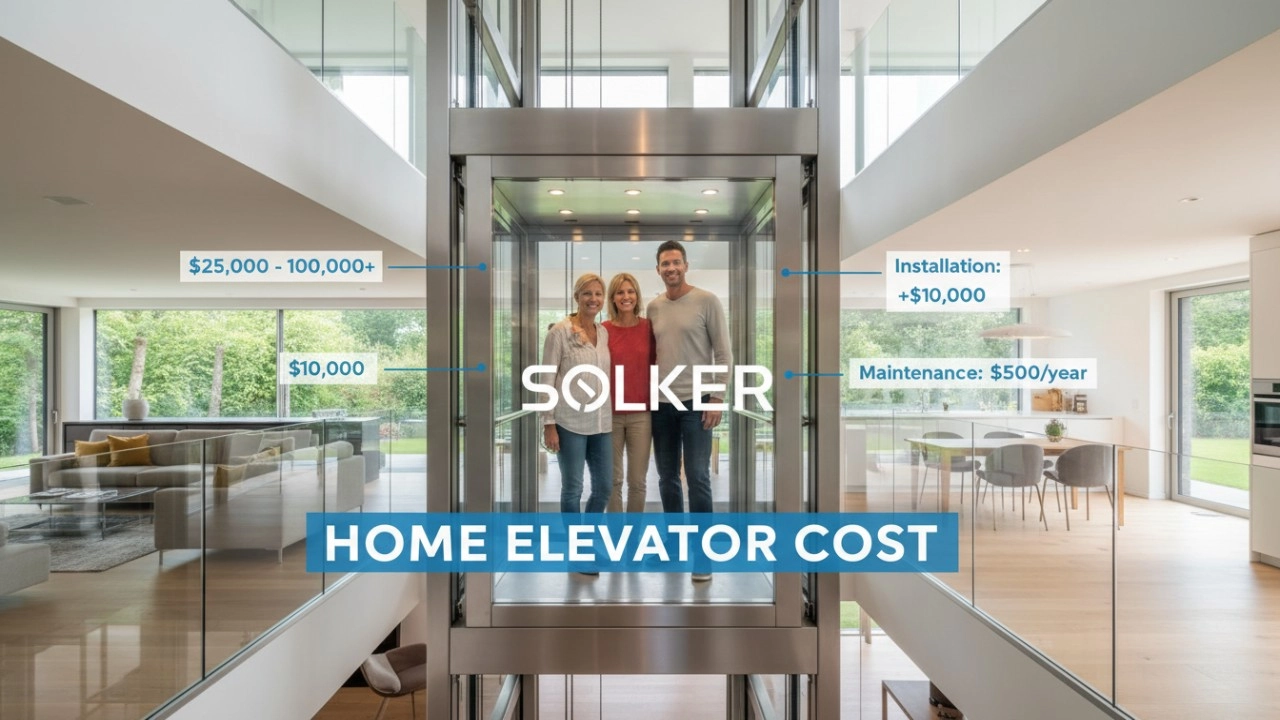
7. What are the cost considerations for installing an exterior home elevator?
Costs can vary based on several factors:
Type of Elevator: Hydraulic, traction, or pneumatic elevators have different price points, with hydraulic systems often being more expensive due to their complexity.
Site Preparation: Additional costs may arise from reinforcing the building facade or installing a suitable foundation.
Customization: High-end finishes, custom designs, and advanced features can increase the overall cost.
Maintenance: Consider long-term maintenance expenses, including servicing, repairs, and potential upgrades.
8. How does installing an exterior home elevator affect property value?
An exterior home elevator can enhance property value by:
Improving Accessibility: Making the villa more accessible to individuals with mobility challenges increases its appeal to a broader market.
Enhancing Aesthetics: A well-designed elevator can complement the villa's architecture, adding a modern touch.
Increasing Marketability: Unique features like an exterior elevator can set the property apart in a competitive real estate market.
Conclusion: Why Choose SOLKER for Your Exterior Home Elevator Needs
SOLKER offers a range of exterior home elevators designed to meet the unique needs of villa owners. Our Model-mini, for instance, combines Italian minimalist design with advanced elevator technology, ensuring safety, reliability, and aesthetic appeal. With a focus on quality materials, weatherproofing, and customization options, SOLKER provides solutions that enhance both the functionality and value of your villa.
For more information or to request a quote, visit our website or contact our customer service team.
References:
(https://www.nibavlifts.us/blog/exterior-home-elevators-and-lifts/)
(https://trustram.com/how-to-add-a-home-exterior-elevator-what-to-know-first/)
(https://www.mobility123.com/blog/exterior-home-elevator-installation/)
(https://www.liebig.co.uk/comparing-anchoring-solutions-for-lift-installations/)
(https://www.solkerelevator.com/article/outdoor-home-elevator-guide.html)
(https://www.solkerelevator.com/guides/weatherproofing-exterior-home-elevators-guide.html)

![How an Elevator for Home Can Increase Your Property Value by 10% [2026 Case Study] - SOLKER](https://static.gooecloud.com/upload/img/GY076088693142/how-an-elevator-for-home-can-increase-your-property-value-by-10-2026-case-study.png?x-oss-process=image/format,webp/quality,Q_100 "How-an-Elevator-for-Home-Can-Increase-Your-Property-Value-by-10%-[2026-Case-Study] - SOLKER")
Customize
Can I customize the elevator to match my home style?
Absolutely. We offer multiple cabin styles, materials, and finishes to suit modern, classic, or minimalist interiors.
Do I need architectural drawings to start customization?
Not required initially. We can start with basic dimensions or photos and assist with full planning.
Product
How to install an elevator and what is the warranty?
We have overseas technicians who are at your service 24 hours a day, 365 days a year.
How long is the production date required?
Under normal circumstances, the production time is 35 to 45 days.
Can it be customized as required?
Yes.
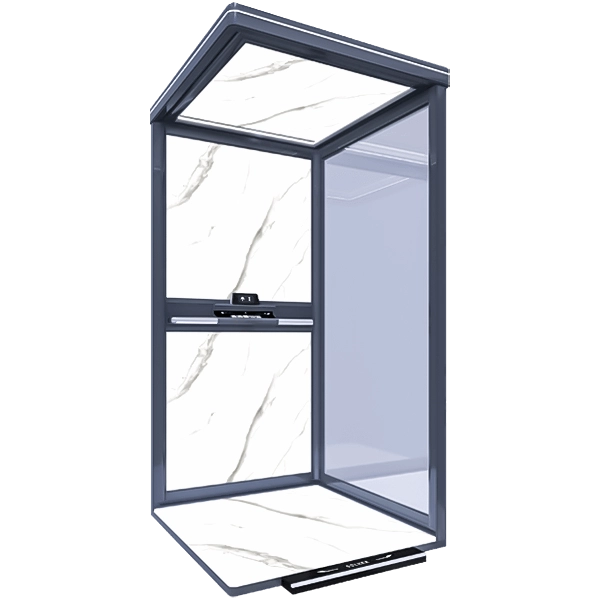
The Model-S is a home villa elevator in the Italian minimalist style. It features the most advanced elevator technology and has comprehensive safety protection measures. It is the most reliable guarantee for your passage in villa homes.
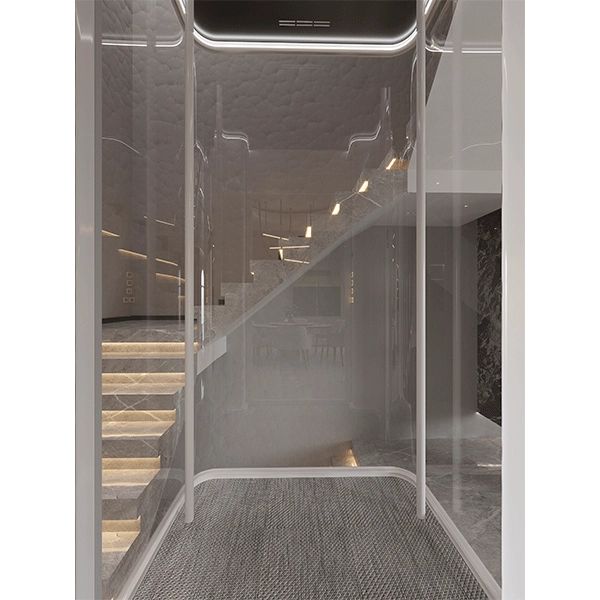
The Model-Mini is a home villa elevator in the Italian minimalist style. It features the most advanced elevator technology and has comprehensive safety protection measures. It is the most reliable guarantee for your passage in villa homes
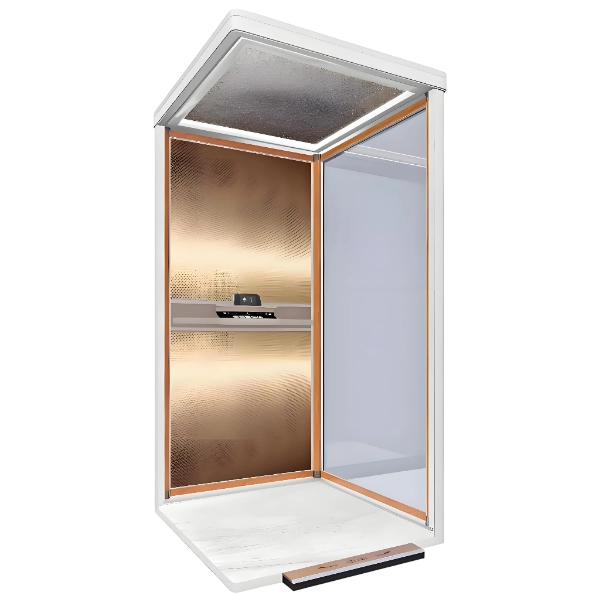
The Model A is a home villa elevator in the Italian minimalist style. It features the most advanced elevator technology and has comprehensive safety protection measures. It is the most reliable guarantee for your passage in villa homes.
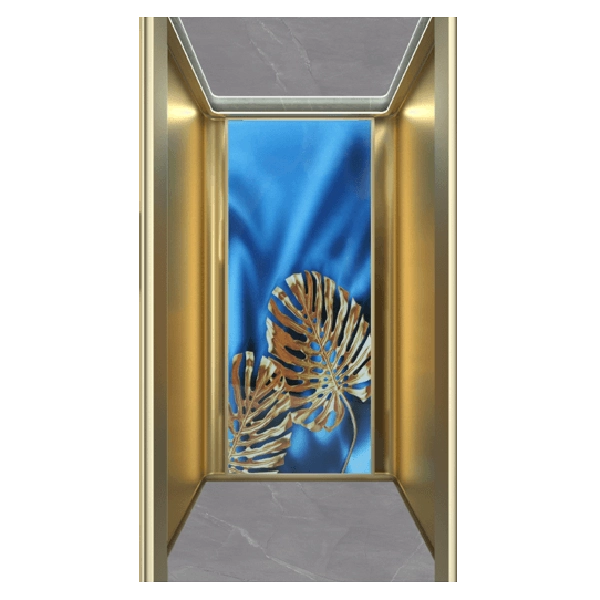
The Model-Q is a home villa elevator in the Italian minimalist style. It features the most advanced elevator technology and has comprehensive safety protection measures. It is the most reliable guarantee for your passage in villa homes.
Looking for custom villa lifts manufacturing solutions?
We provide full-service OEM & ODM solutions—from concept to delivery.
Design, prototyping, production, and shipping—all in one place.
Fill out the form below for a free quote or consultation.
👉 Contact us today to start an exclusive customized partnership.
📦 Get product catalogs and wholesale prices.
🔧 Submit your design requirements for 1-to-1 exclusive matchmaking.
🌍 Become our global distribution partner.
Rest assured that your privacy is important to us, and all information provided will be handled with the utmost confidentiality.
Let's get in touch
Email: lin@solkerelevator.com
Tel: +86 133 1668 7566
Address: Floor 1, Building D, Nanxin Industry International, Nancheng District, Dongguan, China.
 Taiwan, China
 No. 21, Lane 38, 206 Yingtai Road, Yingge District, New Taipei City
 +886 0975-299-830
 United Arab Emirates
Capital Mall, Abu Dhabi, United Arab Emirates, 3rd floor, Luxera elevator +971 52 541 4685 Ceo@maharacare.com
 Melbourne, Australia
 19/12 Natalia Av, Oakleigh South, VIC 3167
+61 1300 771 86 sales@goldenhomelifts.com.au
Sydney, Australia
U28/323 Chisholm Road, Auburn, NSW 2144
+61 1300 771 86 sales@goldenhomelifts.com.au
SOLKER
SOLKER