


How to specify weatherproofing for exterior home elevators?
- Comprehensive Guide to Weatherproofing Exterior Home Elevators
- 1. What materials are best suited for exterior home elevators?
- 2. How can I ensure proper sealing and weatherproofing?
- 3. What are the recommended finishes and coatings for outdoor elevators?
- 4. How should drainage and waterproofing be managed?
- 5. What maintenance practices are necessary for exterior home elevators?
- 6. Are there specific design considerations for outdoor elevator installations?
- 7. How do I choose the right supplier for an exterior home elevator?
- 8. What are the cost considerations for installing an exterior home elevator?
Comprehensive Guide to Weatherproofing Exterior Home Elevators
When considering the installation of an exterior home elevator, it's crucial to address weatherproofing to ensure longevity and reliable performance. Below are key considerations and best practices for selecting and maintaining a weather-resistant exterior home elevator.
1. What materials are best suited for exterior home elevators?
Selecting materials that can withstand outdoor conditions is essential. Marine-grade stainless steel and powder-coated aluminum are recommended for shafts and cabins due to their resistance to corrosion and durability. For components exposed to the elements, such as doors and guide rails, using materials with high corrosion resistance is advisable. ((https://www.solkerelevator.com/article/outdoor-home-elevator-guide.html))
2. How can I ensure proper sealing and weatherproofing?
Proper sealing involves installing weather-sealed doors at landing points to prevent water ingress. For sliding door systems, incorporating a small foyer between the exterior and the elevator car can act as a buffer zone, enhancing protection against the elements. Additionally, using continuous neoprene gaskets and sloped roofs can further prevent water intrusion.
3. What are the recommended finishes and coatings for outdoor elevators?
Applying UV-stable topcoats and acrylic enamel finishes can reduce fading and cracking caused by sun exposure. In coastal areas, specifying 316-grade stainless steel and silicone seals can provide additional protection against salt-induced corrosion.
4. How should drainage and waterproofing be managed?
Effective drainage planning is crucial to prevent water accumulation around the elevator shaft. Implementing proper site grading, installing sump pumps, and ensuring waterproofing around the base of the shaft can mitigate water-related issues.
5. What maintenance practices are necessary for exterior home elevators?
Regular inspections and maintenance are vital to address wear and tear from environmental exposure. This includes checking for signs of corrosion, ensuring seals remain intact, and verifying that drainage systems are functioning correctly. Establishing a preventive maintenance schedule with a qualified technician can extend the elevator's lifespan. ((https://www.solkerelevator.com/article/outdoor-home-elevator-guide.html))
6. Are there specific design considerations for outdoor elevator installations?
Designing an enclosure around the elevator can provide additional protection from the elements. Ensuring the enclosure allows for temperature control can prevent extreme temperatures inside the elevator, enhancing passenger comfort and equipment longevity.
7. How do I choose the right supplier for an exterior home elevator?
Selecting a reputable supplier with experience in outdoor elevator installations is crucial. Look for manufacturers that offer comprehensive warranties, provide clear maintenance guidelines, and have a track record of successful outdoor installations. ((https://www.solkerelevator.com/article/outdoor-home-elevator-guide.html))
8. What are the cost considerations for installing an exterior home elevator?
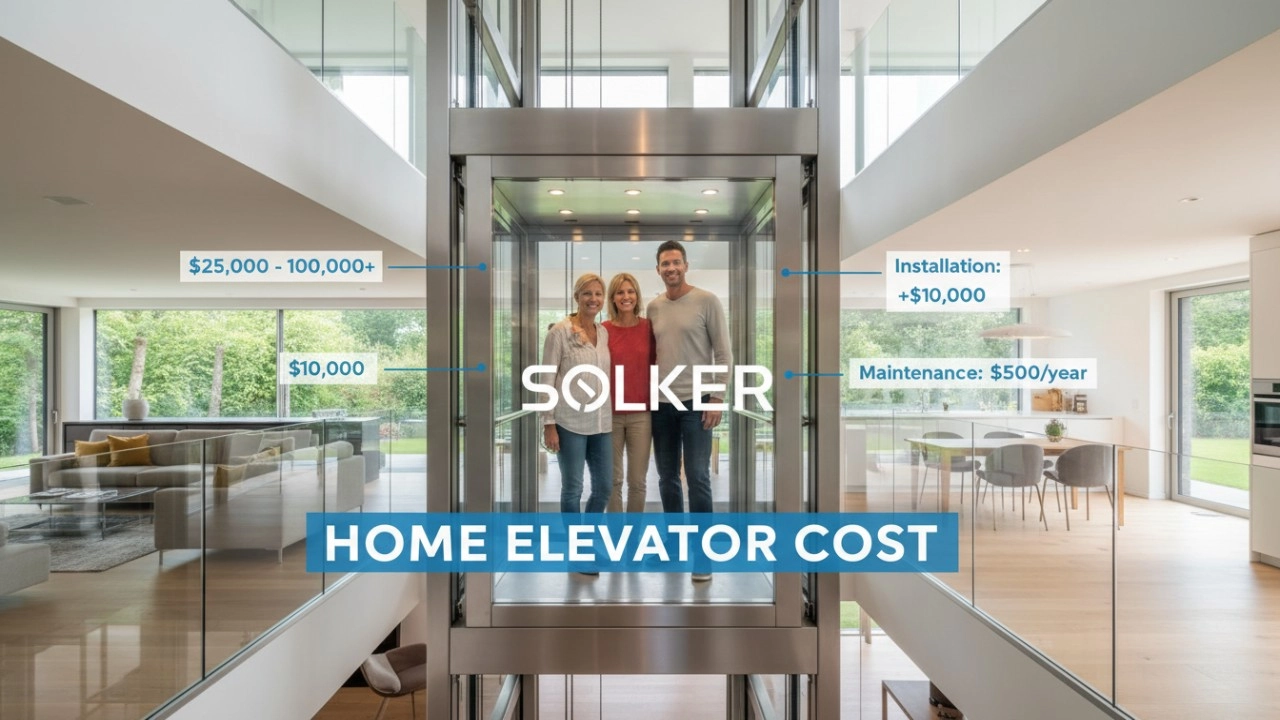
Costs can vary based on materials, design complexity, and installation requirements. It's important to consider not only the initial installation cost but also long-term maintenance expenses and potential energy consumption. Obtaining detailed quotes from multiple suppliers and considering the total cost of ownership can aid in making an informed decision. ((https://www.solkerelevator.com/article/outdoor-home-elevator-guide.html))
In conclusion, selecting and weatherproofing an exterior home elevator involves careful consideration of materials, design, and maintenance practices. By addressing these factors, homeowners can ensure a durable and reliable elevator system that enhances accessibility and adds value to their property.
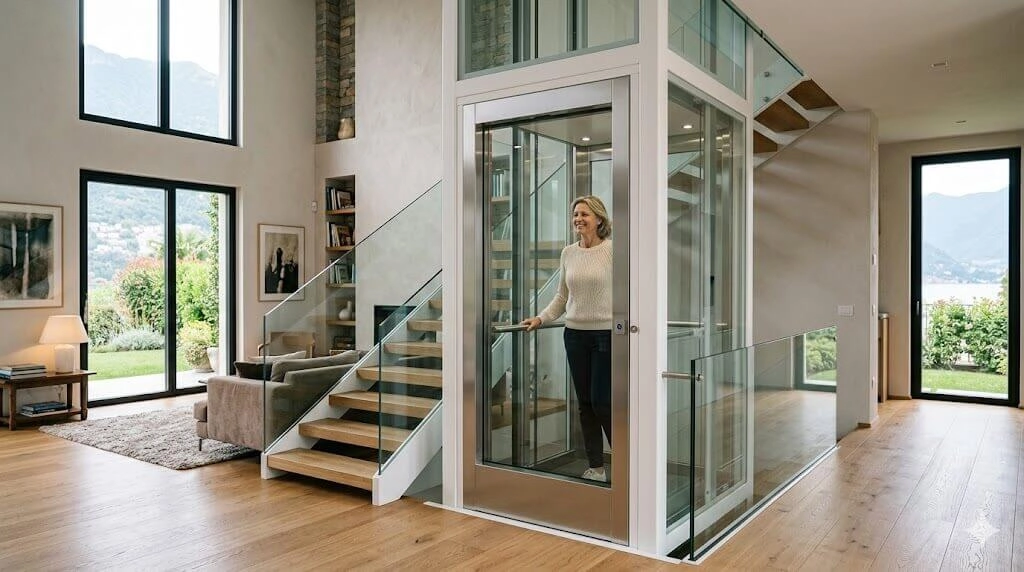
When considering exterior home elevators, it's essential to choose a supplier that offers comprehensive solutions tailored to your specific needs. SOLKER, for instance, provides the Model-mini, an outdoor home elevator designed with advanced technology and comprehensive safety features, ensuring reliable and stylish passage in villa homes. ((https://www.solkerelevator.com/article/outdoor-home-elevator-guide.html))

![How an Elevator for Home Can Increase Your Property Value by 10% [2026 Case Study] - SOLKER](https://static.gooecloud.com/upload/img/GY076088693142/how-an-elevator-for-home-can-increase-your-property-value-by-10-2026-case-study.png?x-oss-process=image/format,webp/quality,Q_100 "How-an-Elevator-for-Home-Can-Increase-Your-Property-Value-by-10%-[2026-Case-Study] - SOLKER")
Product
Can it be customized as required?
Yes.
Customize
Do I need architectural drawings to start customization?
Not required initially. We can start with basic dimensions or photos and assist with full planning.
Is customization available for both indoor and outdoor elevators?
Yes. All custom options apply to indoor and weatherproof outdoor models.
Can the elevator design be matched to my home's architecture?
Absolutely. Our designers tailor each cabin to complement your interior layout and style.
Can I choose specific materials or colors for the cabin?
Yes. We offer a wide range of premium materials and finishes — from stone to wood to glass.
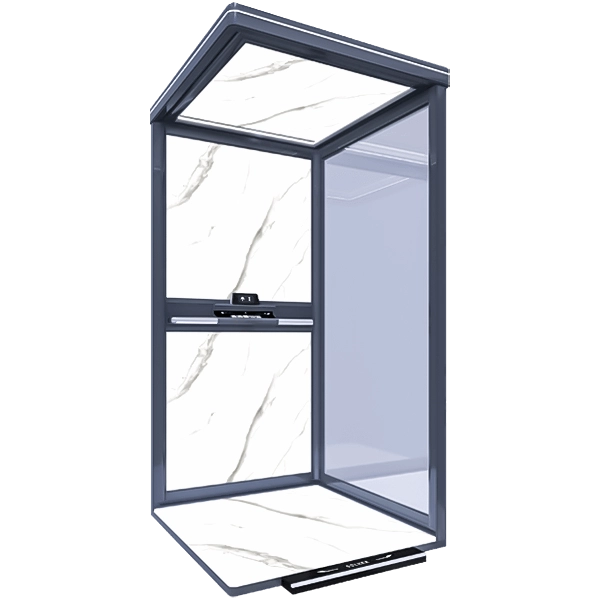
The Model-S is a home villa elevator in the Italian minimalist style. It features the most advanced elevator technology and has comprehensive safety protection measures. It is the most reliable guarantee for your passage in villa homes.
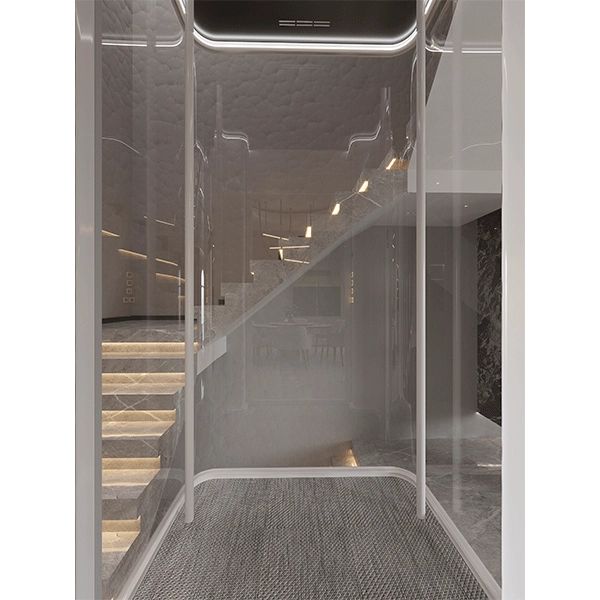
The Model-Mini is a home villa elevator in the Italian minimalist style. It features the most advanced elevator technology and has comprehensive safety protection measures. It is the most reliable guarantee for your passage in villa homes
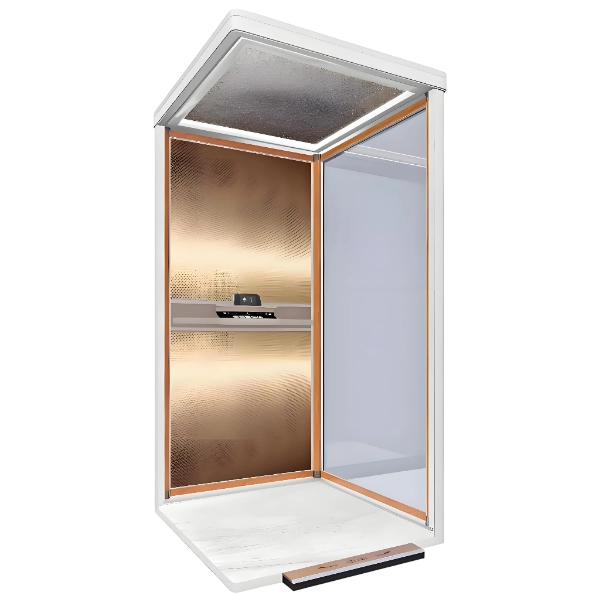
The Model A is a home villa elevator in the Italian minimalist style. It features the most advanced elevator technology and has comprehensive safety protection measures. It is the most reliable guarantee for your passage in villa homes.
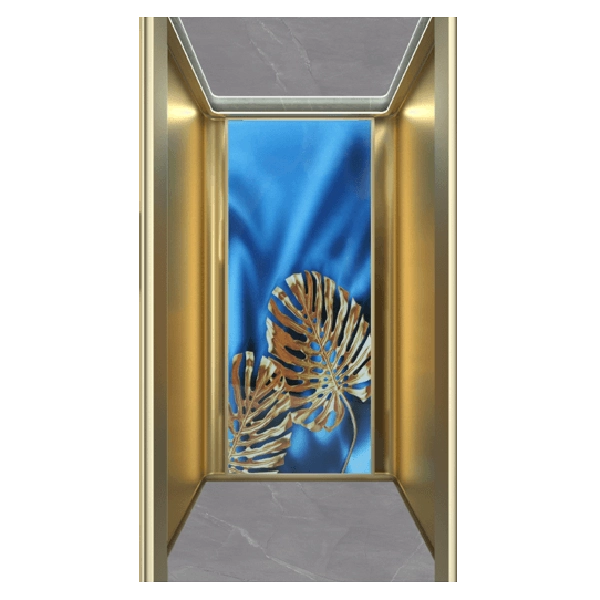
The Model-Q is a home villa elevator in the Italian minimalist style. It features the most advanced elevator technology and has comprehensive safety protection measures. It is the most reliable guarantee for your passage in villa homes.
Looking for custom villa lifts manufacturing solutions?
We provide full-service OEM & ODM solutions—from concept to delivery.
Design, prototyping, production, and shipping—all in one place.
Fill out the form below for a free quote or consultation.
👉 Contact us today to start an exclusive customized partnership.
📦 Get product catalogs and wholesale prices.
🔧 Submit your design requirements for 1-to-1 exclusive matchmaking.
🌍 Become our global distribution partner.
Rest assured that your privacy is important to us, and all information provided will be handled with the utmost confidentiality.
Let's get in touch
Email: lin@solkerelevator.com
Tel: +86 133 1668 7566
Address: Floor 1, Building D, Nanxin Industry International, Nancheng District, Dongguan, China.
 Taiwan, China
 No. 21, Lane 38, 206 Yingtai Road, Yingge District, New Taipei City
 +886 0975-299-830
 United Arab Emirates
Capital Mall, Abu Dhabi, United Arab Emirates, 3rd floor, Luxera elevator +971 52 541 4685 Ceo@maharacare.com
 Melbourne, Australia
 19/12 Natalia Av, Oakleigh South, VIC 3167
+61 1300 771 86 sales@goldenhomelifts.com.au
Sydney, Australia
U28/323 Chisholm Road, Auburn, NSW 2144
+61 1300 771 86 sales@goldenhomelifts.com.au
SOLKER
SOLKER